
Contact Us
Related Posts

Categories

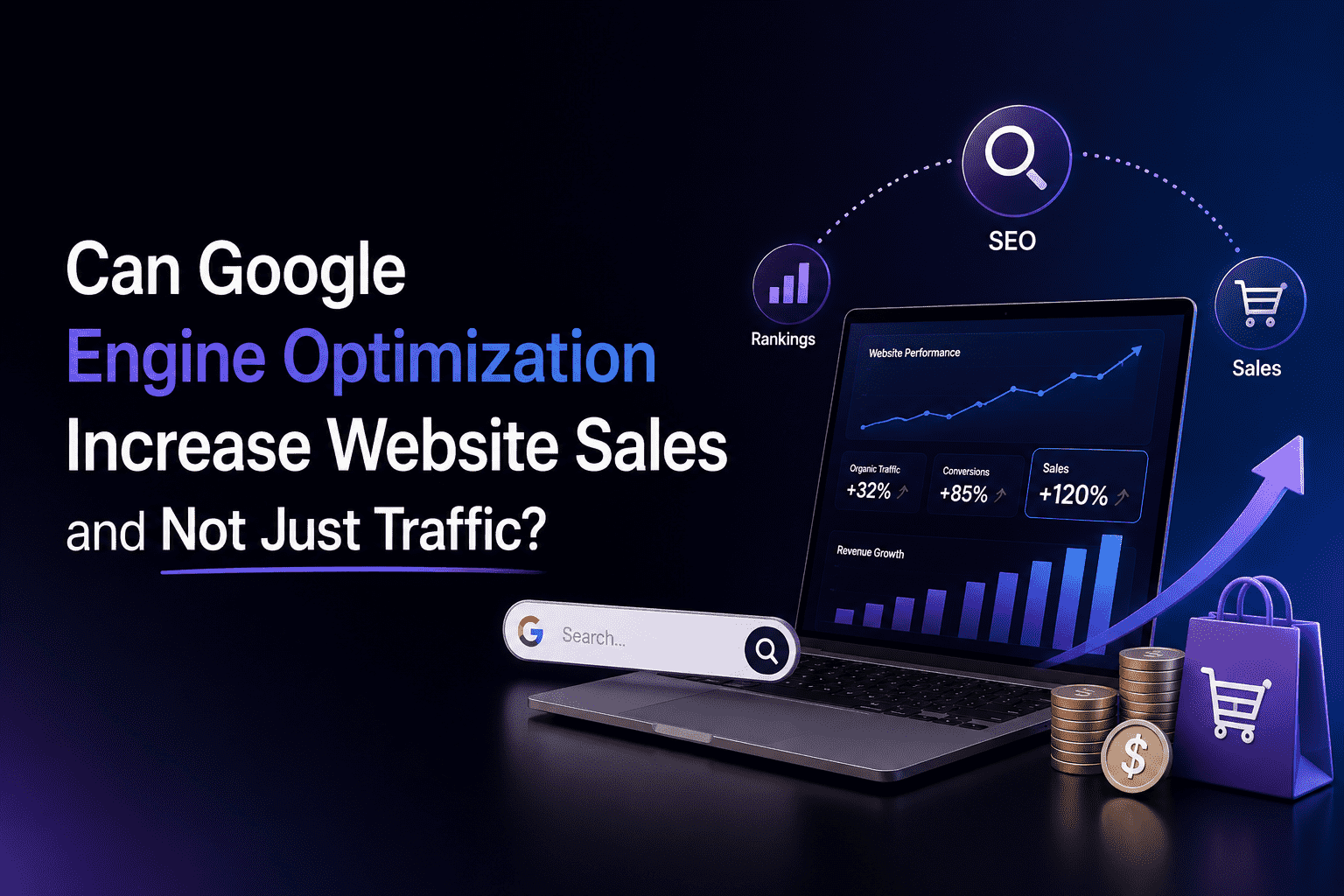
Many businesses invest in google engine optimization with one primary goal in mind—bringing more visitors to their website. While increased traffic is often viewed as a sign of success, it does not always translate into more inquiries, purchases, or long-term customers. A website that attracts thousands of visitors but generates very few conversions is missing the real purpose of online visibility. The true value of search optimization lies in attracting people who are already looking for a solution and guiding them toward taking meaningful action.
The growing importance of google engine optimization is changing how businesses measure online success. Instead of focusing only on rankings and visitor numbers, companies are paying closer attention to qualified leads, customer engagement, and revenue growth. Search engines have become more intelligent, rewarding websites that answer user questions, provide valuable information, and deliver a seamless browsing experience. As a result, businesses that prioritize user intent over keyword stuffing are seeing stronger and more sustainable sales growth.
Traffic Is Only the Beginning
Many website owners celebrate when analytics show a sudden increase in visitors. However, high traffic alone does not guarantee business growth. Imagine a retail store filled with people who have no intention of buying anything. The store may appear busy, but sales remain unchanged. Websites experience the same challenge.
Search traffic becomes valuable only when it matches the audience’s intent. Visitors who are actively researching products, comparing solutions, or looking for professional assistance are far more likely to become customers than users who land on a page without a clear purpose.
This is why businesses should evaluate success using metrics such as conversion rates, inquiry submissions, phone calls, bookings, and completed purchases rather than page views alone.
Why Search Intent Matters More Than Rankings
One of the biggest shifts in modern search optimization is understanding user intent. Search engines no longer reward websites simply because they contain a keyword multiple times. Instead, they analyze whether the page genuinely answers the user’s question.
Search intent generally falls into several categories:
- Informational searches where users want to learn something.
- Commercial searches where users compare available options.
- Transactional searches where users are ready to purchase.
- Navigational searches where users are looking for a specific brand or website.
Businesses that create content matching these different stages of the customer journey naturally generate more qualified leads because every page serves a specific purpose.
How Google Evaluates Websites That Generate Results
Search engines evaluate much more than keywords. They consider the overall quality and usefulness of a website before deciding where it should appear in search results.
Some of the strongest ranking signals include:
- Helpful and trustworthy content
- Fast loading pages
- Mobile-friendly design
- Logical website structure
- Secure browsing experience
- Positive user engagement
- Strong internal linking
When these elements work together, visitors spend more time exploring the website, building trust before making a purchasing decision.
Google Engine Optimization Helps Build Customer Confidence
Google Engine Optimization Creates Trust Before the First Conversation
People rarely purchase from a business immediately after discovering it. They often compare multiple websites, read service pages, browse blog articles, and evaluate expertise before making contact.
This is where google engine optimization becomes far more than a ranking strategy. It helps businesses establish authority through educational content, relevant answers, and a well-structured website that demonstrates experience. When users consistently find accurate information across multiple pages, confidence naturally increases.
A website that appears reliable throughout the research process often receives more inquiries than competitors with aggressive sales messaging but limited helpful content.
Content That Solves Problems Converts Better
Modern buyers expect businesses to educate before they sell.
Instead of creating pages that repeatedly promote products or services, successful websites answer common questions, explain industry concepts, compare available options, and help visitors make informed decisions.
Educational content supports customers throughout the buying journey because it removes uncertainty. When visitors find clear explanations without feeling pressured, they are more likely to return when they are ready to purchase.
This approach also allows businesses to demonstrate expertise while building long-term credibility.
User Experience Has a Direct Impact on Sales
Even if a website ranks well, poor user experience can reduce conversions significantly.
Visitors expect websites to load quickly, display properly on every device, and make important information easy to find. Confusing navigation, slow performance, or cluttered layouts often cause potential customers to leave before completing an inquiry.
A well-designed website should guide visitors naturally from discovering information to taking action. Clear navigation, readable content, relevant calls to action, and organized page structures reduce friction throughout the customer journey.
The easier it is for visitors to find answers, the more likely they are to become paying customers.
Quality Leads Are More Valuable Than Large Visitor Numbers
A website attracting five hundred highly relevant visitors often produces better business results than one attracting ten thousand unrelated visitors.
Qualified traffic consists of people already searching for a solution that a business provides. These visitors require less persuasion because their need already exists. Search optimization focuses on connecting businesses with these users at the right moment.
For this reason, many companies combine organic visibility with complementary strategies such as Performance Marketing Services when they want to capture both immediate demand and long-term growth opportunities.
Measuring Success Beyond Organic Traffic
Businesses should evaluate search performance using meaningful business indicators instead of vanity metrics.
Important measurements include lead quality, sales inquiries, conversion rates, customer acquisition costs, average order value, repeat customers, and overall revenue generated through organic search.
These metrics reveal whether website optimization is contributing to actual business growth rather than simply increasing visitor counts.
Many organizations also integrate SEO Services into broader Digital Marketing Services strategies so every marketing channel supports consistent business objectives.
The Growing Role of AI in Search
Search behavior continues to evolve as artificial intelligence becomes more integrated into search experiences. Users increasingly expect direct answers instead of browsing through multiple pages before finding useful information.
Businesses preparing for this shift are improving content clarity, topical authority, and structured information while exploring Answer Engine Optimization Services to increase visibility across AI-powered search platforms.
This evolution reinforces a simple principle: websites that answer questions better are more likely to earn both visibility and customer trust.
Supporting Organic Growth with Other Marketing Channels
Organic search works best when it complements other digital strategies rather than operating in isolation.
Some businesses strengthen visibility with Google Ads Management Services during competitive periods, while growing agencies sometimes expand capacity through SEO Outsourcing Services to maintain consistent quality across multiple projects.
These supporting strategies can accelerate results, but long-term sustainable growth still depends on creating valuable content and maintaining an exceptional website experience.
Final Thoughts
The belief that search optimization exists only to increase visitor numbers is becoming outdated. Businesses that focus solely on traffic often overlook the metrics that truly matter—qualified leads, customer trust, conversions, and revenue. Effective google engine optimization aligns website content with user intent, improves the overall browsing experience, and helps businesses attract visitors who are genuinely interested in taking action. When every page is created to educate, solve problems, and guide decision-making, higher rankings become a pathway to stronger sales rather than an end goal in themselves.