
Contact Us
Related Posts




Categories
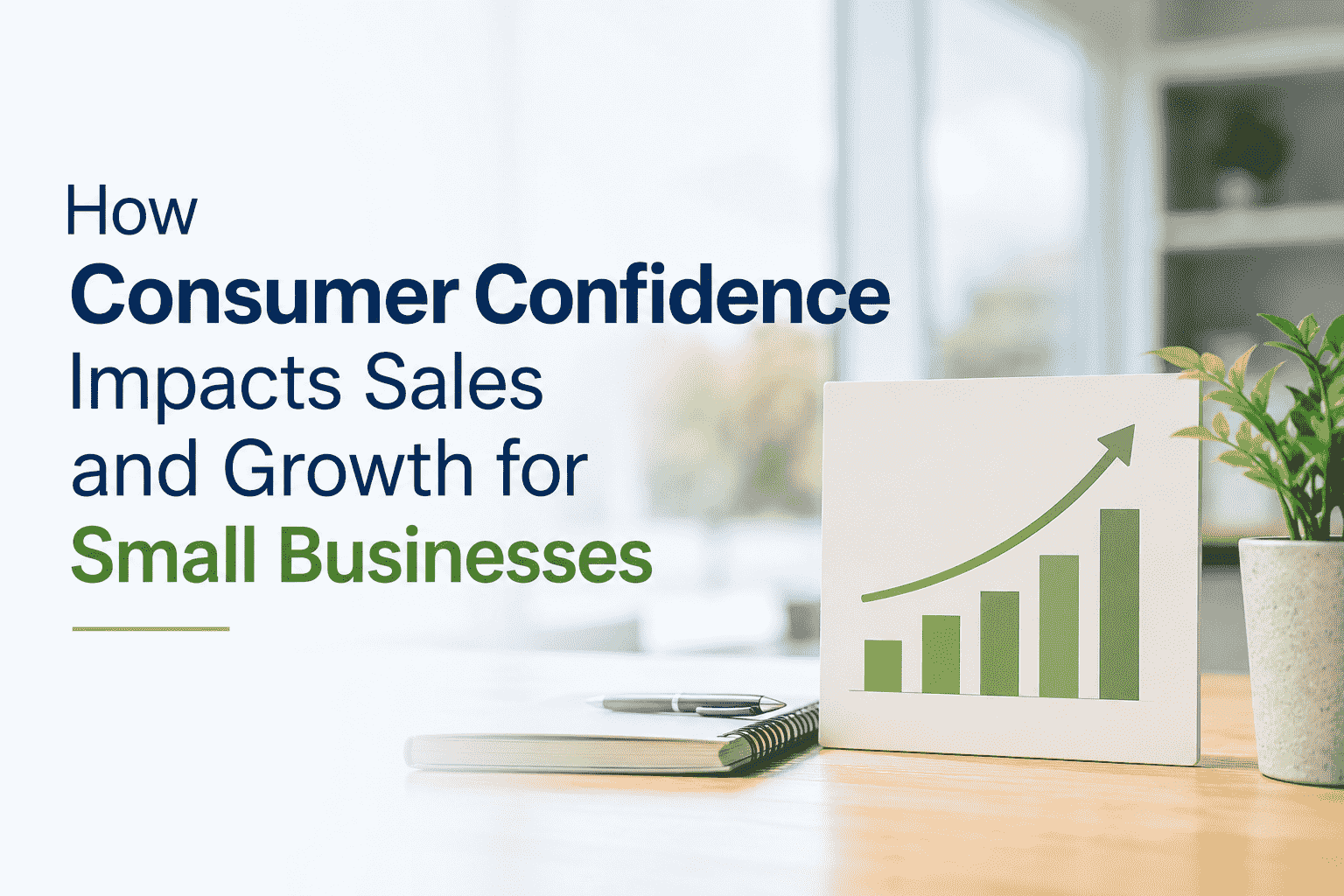
Consumer confidence plays a significant role in shaping the success of local and emerging businesses across the United States. It reflects how optimistic people feel about their financial situation, employment prospects, and overall economic conditions. When consumers feel secure about their income and future spending power, they are more likely to make purchases, invest in services, and support businesses. On the other hand, uncertainty often leads to cautious spending habits that can directly affect revenue and profitability.
For entrepreneurs and business owners, understanding consumer confidence is essential because it influences buying behavior across nearly every industry. Whether a company sells products online, provides professional services, or operates a local storefront, shifts in consumer sentiment can create opportunities or challenges. By recognizing these patterns, businesses can adapt their strategies and maintain sustainable Growth for Small Businesses even during changing economic conditions.
What Is Consumer Confidence?
Consumer confidence is an economic indicator that measures how optimistic or pessimistic consumers feel about the economy and their personal finances. It is often tracked through surveys that evaluate consumer perceptions regarding employment, income, inflation, and future spending plans.
When confidence levels are high, consumers tend to spend more freely on both essential and discretionary purchases. They may feel comfortable upgrading products, trying new brands, or investing in services that improve their lifestyle. When confidence declines, spending decisions become more cautious, and households often prioritize necessities over optional purchases.
For small businesses, these changes can have a direct impact on customer demand, cash flow, and overall market opportunities.
The Connection Between Consumer Confidence and Purchasing Behavior
Consumer confidence influences how people make buying decisions. Customers who feel financially secure are generally more willing to explore products and services beyond their immediate needs. This behavior creates favorable conditions for business growth.
Higher confidence often leads to:
- Increased consumer spending
- Greater willingness to try new products
- Higher average transaction values
- Improved customer retention
- More referrals and positive reviews
Conversely, lower confidence can cause customers to delay purchases, compare options more extensively, and focus heavily on price. Small businesses that understand these behavioral shifts can adjust their messaging, pricing, and customer engagement efforts accordingly.
How Consumer Confidence Affects Revenue Generation
Revenue growth is closely tied to consumer spending patterns. When customers are optimistic about their financial future, they are more likely to make larger purchases and engage with businesses more frequently.
For example, a local service provider may experience increased bookings during periods of strong consumer confidence because customers feel comfortable allocating budget toward convenience, improvement, or personal development. Retail businesses often see similar trends, with higher demand for non-essential products.
Businesses that actively monitor economic sentiment can better forecast sales trends and prepare inventory, staffing, and marketing initiatives accordingly. This proactive approach supports stronger financial performance and reduces operational uncertainty.
Consumer Trust and Long-Term Business Stability
Confidence is not only about the economy; it also affects how customers perceive individual businesses. During uncertain times, consumers become more selective about where they spend their money. They often prefer companies that demonstrate reliability, transparency, and consistent value.
Small businesses can strengthen customer trust by:
- Delivering high-quality products and services
- Maintaining clear communication
- Offering responsive customer support
- Building a strong online presence
- Encouraging authentic customer reviews
When businesses establish trust, they are more likely to retain customers even during economic slowdowns. This stability creates a stronger foundation for future expansion and resilience.
The Role of Marketing During Confidence Shifts
Marketing becomes increasingly important when consumer confidence fluctuates. Businesses that remain visible and communicate effectively can maintain customer engagement even when spending patterns change.
Many organizations invest in Digital Marketing for Small Businesses to stay connected with their audience and reinforce brand credibility. Effective marketing helps educate customers, address concerns, and highlight value rather than focusing solely on price.
A strategic marketing approach enables businesses to adapt their messaging based on consumer sentiment while maintaining a consistent presence in the marketplace.
Strategies to Support Growth for Small Businesses During Economic Uncertainty
Economic uncertainty does not automatically prevent growth. In many cases, businesses that adapt quickly can continue expanding while competitors struggle to maintain momentum.
Several strategies can help businesses navigate changing consumer confidence:
Focus on Customer Value
Customers become more selective during uncertain periods. Businesses should clearly communicate how their products or services solve specific problems and deliver measurable value.
Strengthen Customer Relationships
Existing customers often provide the most reliable source of revenue. Personalized communication, loyalty programs, and exceptional service can encourage repeat business and strengthen long-term relationships.
Maintain Consistent Brand Visibility
Reducing visibility during economic challenges can make recovery more difficult. Maintaining a strong presence helps businesses remain top-of-mind when customers are ready to purchase.
Monitor Market Trends
Understanding shifts in consumer behavior allows businesses to respond proactively rather than reactively. Market insights can guide pricing, promotions, product development, and customer engagement efforts.
These actions contribute directly to sustainable Growth for Small Businesses by helping organizations remain competitive regardless of broader economic conditions.
Digital Channels That Help Build Consumer Confidence
Consumers increasingly research businesses online before making purchasing decisions. A professional digital presence can significantly influence trust and purchasing behavior.
Several digital strategies contribute to stronger consumer confidence:
SEO Services help businesses improve online visibility and make it easier for potential customers to discover relevant information through search engines.
PPC Services allow companies to reach targeted audiences quickly and promote products or services to users actively searching for solutions.
Performance Marketing Services focus on measurable outcomes, enabling businesses to optimize campaigns based on real data and customer actions.
Social Media Marketing Services help brands engage directly with customers, build relationships, and demonstrate authenticity through ongoing communication.
These channels support credibility, improve customer awareness, and encourage informed purchasing decisions.
Why Startups Should Pay Attention to Consumer Confidence
Startups often face unique challenges because they have limited brand recognition and fewer established customer relationships. Consumer confidence can therefore have an even greater impact on their ability to attract and retain customers.
Investing in Digital Marketing Services for Startups can help emerging businesses build trust more effectively. Educational content, customer testimonials, transparent communication, and strong branding can reduce perceived risk and encourage potential customers to take action.
Startups that understand consumer sentiment are better positioned to align their offerings with market expectations and create stronger connections with their target audience.
Preparing for Future Market Changes
Consumer confidence is constantly evolving based on economic conditions, employment trends, inflation, interest rates, and broader market developments. While businesses cannot control these factors, they can prepare for them.
Successful small businesses typically focus on flexibility, customer experience, and data-driven decision-making. They monitor market conditions, adapt their strategies, and continue investing in customer relationships regardless of economic cycles.
Rather than viewing confidence fluctuations as obstacles, forward-thinking businesses treat them as opportunities to strengthen their brand, refine operations, and better serve their audience.
Conclusion
Consumer confidence remains one of the most influential factors affecting purchasing behavior, revenue generation, and business sustainability. When consumers feel secure about their financial future, spending activity often increases, creating favorable conditions for expansion and profitability. When confidence declines, businesses must work harder to earn trust and demonstrate value.
Understanding these patterns enables business owners to make smarter decisions regarding marketing, customer engagement, and long-term planning. By focusing on trust, adaptability, and customer experience, companies can continue achieving Growth for Small Businesses even in changing economic environments. Businesses that consistently communicate value, maintain strong customer relationships, and invest in effective strategies are better equipped to navigate uncertainty and build lasting success.
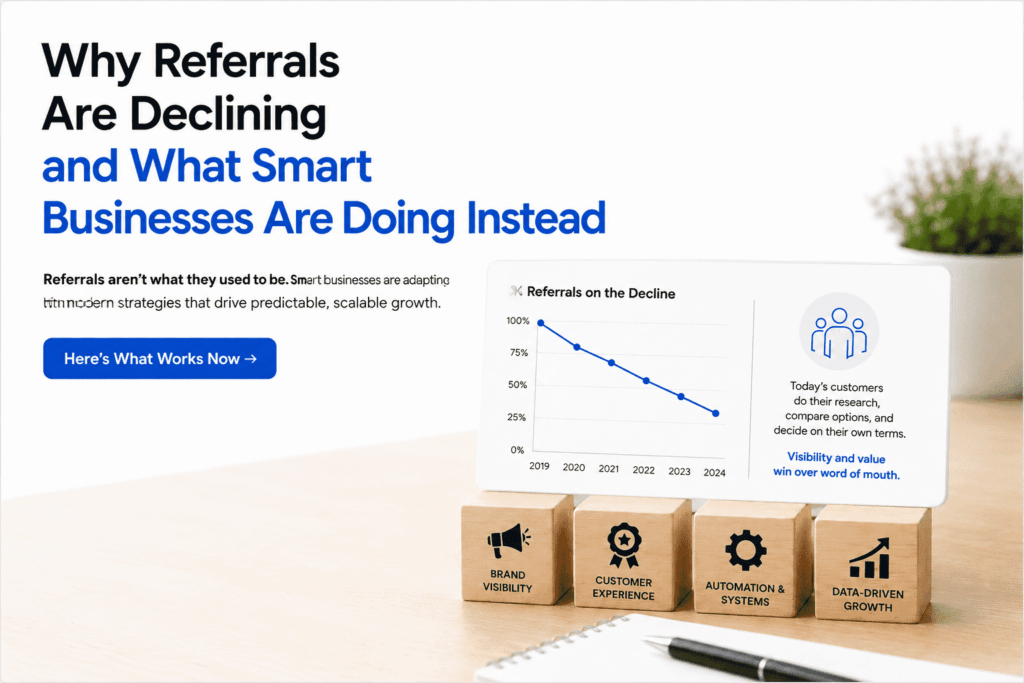
Consumer confidence plays a significant role in shaping the success of local and emerging businesses across the United States. It reflects how optimistic people feel about their financial situation, employment prospects, and overall economic conditions. When consumers feel secure about their income and future spending power, they are more likely to make purchases, invest in services, and support businesses. On the other hand, uncertainty often leads to cautious spending habits that can directly affect revenue and profitability.
For entrepreneurs and business owners, understanding consumer confidence is essential because it influences buying behavior across nearly every industry. Whether a company sells products online, provides professional services, or operates a local storefront, shifts in consumer sentiment can create opportunities or challenges. By recognizing these patterns, businesses can adapt their strategies and maintain sustainable Growth for Small Businesses even during changing economic conditions.
What Is Consumer Confidence?
Consumer confidence is an economic indicator that measures how optimistic or pessimistic consumers feel about the economy and their personal finances. It is often tracked through surveys that evaluate consumer perceptions regarding employment, income, inflation, and future spending plans.
When confidence levels are high, consumers tend to spend more freely on both essential and discretionary purchases. They may feel comfortable upgrading products, trying new brands, or investing in services that improve their lifestyle. When confidence declines, spending decisions become more cautious, and households often prioritize necessities over optional purchases.
For small businesses, these changes can have a direct impact on customer demand, cash flow, and overall market opportunities.
The Connection Between Consumer Confidence and Purchasing Behavior
Consumer confidence influences how people make buying decisions. Customers who feel financially secure are generally more willing to explore products and services beyond their immediate needs. This behavior creates favorable conditions for business growth.
Higher confidence often leads to:
- Increased consumer spending
- Greater willingness to try new products
- Higher average transaction values
- Improved customer retention
- More referrals and positive reviews
Conversely, lower confidence can cause customers to delay purchases, compare options more extensively, and focus heavily on price. Small businesses that understand these behavioral shifts can adjust their messaging, pricing, and customer engagement efforts accordingly.
How Consumer Confidence Affects Revenue Generation
Revenue growth is closely tied to consumer spending patterns. When customers are optimistic about their financial future, they are more likely to make larger purchases and engage with businesses more frequently.
For example, a local service provider may experience increased bookings during periods of strong consumer confidence because customers feel comfortable allocating budget toward convenience, improvement, or personal development. Retail businesses often see similar trends, with higher demand for non-essential products.
Businesses that actively monitor economic sentiment can better forecast sales trends and prepare inventory, staffing, and marketing initiatives accordingly. This proactive approach supports stronger financial performance and reduces operational uncertainty.
Consumer Trust and Long-Term Business Stability
Confidence is not only about the economy; it also affects how customers perceive individual businesses. During uncertain times, consumers become more selective about where they spend their money. They often prefer companies that demonstrate reliability, transparency, and consistent value.
Small businesses can strengthen customer trust by:
- Delivering high-quality products and services
- Maintaining clear communication
- Offering responsive customer support
- Building a strong online presence
- Encouraging authentic customer reviews
When businesses establish trust, they are more likely to retain customers even during economic slowdowns. This stability creates a stronger foundation for future expansion and resilience.
The Role of Marketing During Confidence Shifts
Marketing becomes increasingly important when consumer confidence fluctuates. Businesses that remain visible and communicate effectively can maintain customer engagement even when spending patterns change.
Many organizations invest in Digital Marketing for Small Businesses to stay connected with their audience and reinforce brand credibility. Effective marketing helps educate customers, address concerns, and highlight value rather than focusing solely on price.
A strategic marketing approach enables businesses to adapt their messaging based on consumer sentiment while maintaining a consistent presence in the marketplace.
Strategies to Support Growth for Small Businesses During Economic Uncertainty
Economic uncertainty does not automatically prevent growth. In many cases, businesses that adapt quickly can continue expanding while competitors struggle to maintain momentum.
Several strategies can help businesses navigate changing consumer confidence:
Focus on Customer Value
Customers become more selective during uncertain periods. Businesses should clearly communicate how their products or services solve specific problems and deliver measurable value.
Strengthen Customer Relationships
Existing customers often provide the most reliable source of revenue. Personalized communication, loyalty programs, and exceptional service can encourage repeat business and strengthen long-term relationships.
Maintain Consistent Brand Visibility
Reducing visibility during economic challenges can make recovery more difficult. Maintaining a strong presence helps businesses remain top-of-mind when customers are ready to purchase.
Monitor Market Trends
Understanding shifts in consumer behavior allows businesses to respond proactively rather than reactively. Market insights can guide pricing, promotions, product development, and customer engagement efforts.
These actions contribute directly to sustainable Growth for Small Businesses by helping organizations remain competitive regardless of broader economic conditions.
Digital Channels That Help Build Consumer Confidence
Consumers increasingly research businesses online before making purchasing decisions. A professional digital presence can significantly influence trust and purchasing behavior.
Several digital strategies contribute to stronger consumer confidence:
SEO Services help businesses improve online visibility and make it easier for potential customers to discover relevant information through search engines.
PPC Services allow companies to reach targeted audiences quickly and promote products or services to users actively searching for solutions.
Performance Marketing Services focus on measurable outcomes, enabling businesses to optimize campaigns based on real data and customer actions.
Social Media Marketing Services help brands engage directly with customers, build relationships, and demonstrate authenticity through ongoing communication.
These channels support credibility, improve customer awareness, and encourage informed purchasing decisions.
Why Startups Should Pay Attention to Consumer Confidence
Startups often face unique challenges because they have limited brand recognition and fewer established customer relationships. Consumer confidence can therefore have an even greater impact on their ability to attract and retain customers.
Investing in Digital Marketing Services for Startups can help emerging businesses build trust more effectively. Educational content, customer testimonials, transparent communication, and strong branding can reduce perceived risk and encourage potential customers to take action.
Startups that understand consumer sentiment are better positioned to align their offerings with market expectations and create stronger connections with their target audience.
Preparing for Future Market Changes
Consumer confidence is constantly evolving based on economic conditions, employment trends, inflation, interest rates, and broader market developments. While businesses cannot control these factors, they can prepare for them.
Successful small businesses typically focus on flexibility, customer experience, and data-driven decision-making. They monitor market conditions, adapt their strategies, and continue investing in customer relationships regardless of economic cycles.
Rather than viewing confidence fluctuations as obstacles, forward-thinking businesses treat them as opportunities to strengthen their brand, refine operations, and better serve their audience.
Conclusion
Consumer confidence remains one of the most influential factors affecting purchasing behavior, revenue generation, and business sustainability. When consumers feel secure about their financial future, spending activity often increases, creating favorable conditions for expansion and profitability. When confidence declines, businesses must work harder to earn trust and demonstrate value.
Understanding these patterns enables business owners to make smarter decisions regarding marketing, customer engagement, and long-term planning. By focusing on trust, adaptability, and customer experience, companies can continue achieving Growth for Small Businesses even in changing economic environments. Businesses that consistently communicate value, maintain strong customer relationships, and invest in effective strategies are better equipped to navigate uncertainty and build lasting success.