Contact Us

Services

Related Posts

Categories
Informational Content

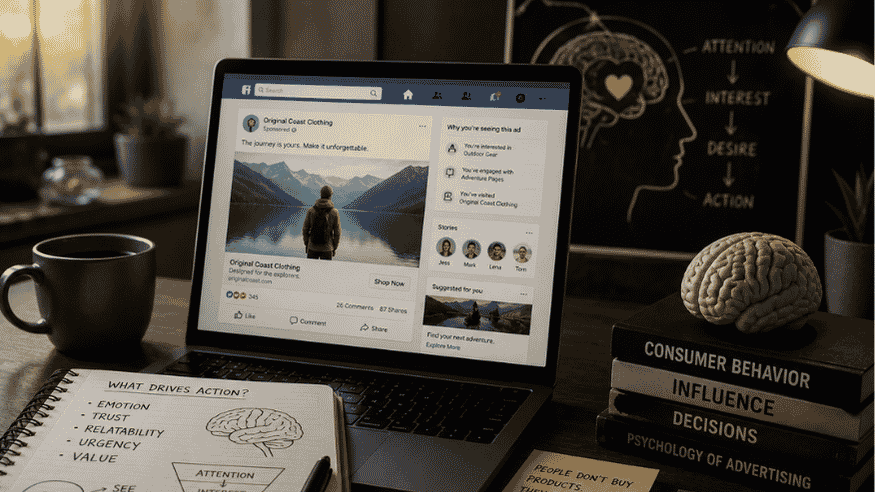
In 2026, the role of Informational Content in digital marketing has changed dramatically. Earlier, publishing blogs and guides was often enough to attract traffic and generate leads. But today, Informational Content alone is no longer sufficient to get clients or drive consistent business growth.

Search engines and AI-driven platforms now prioritize content that not only informs but also demonstrates authority, intent alignment, and conversion potential. This shift is pushing businesses to rethink how they create and distribute content.

If your strategy still depends only on Informational Content, you may get traffic—but not necessarily clients.

Why Informational Content Alone Is Not Enough In 2026 

The digital landscape has become more competitive and intent-driven. Users are no longer satisfied with just reading basic information—they expect solutions, recommendations, and actionable guidance.

While Informational Content still plays an important role in building awareness, it rarely converts directly into customers without strategic optimization.

Modern users often move through multiple touchpoints before making a decision, and content must now support the entire journey—not just the awareness stage, which is why businesses are increasingly investing in Answer Engine Optimization Services to improve visibility and conversions.

The Shift From Traffic To Conversions 

Earlier, success was measured by page views and rankings. Now, the focus has shifted to leads and revenue.

Even if your Informational Content ranks well, it will not deliver results unless it is supported by conversion-focused strategies such as landing pages, CTAs, and service positioning.

This is why businesses now combine content with performance-driven marketing systems instead of relying on blogs alone through Performance Marketing Services.

How Businesses Are Adapting Their Content Strategy 

To stay competitive, companies are evolving their approach beyond basic content writing.

Many brands now invest in SEO Services to ensure their content is optimized not just for rankings, but also for user intent and conversions.

At the same time, Answer Engine Optimization Services are becoming essential as AI systems increasingly generate direct answers instead of sending users to websites.

This means your content must be structured in a way that AI can understand, extract, and recommend.

The Role Of Paid And Performance Marketing 

Content alone cannot drive predictable leads anymore. That is why businesses are combining organic strategies with paid acquisition systems.

Services like:

  • Performance Marketing Services
  • Google Ads Management Services
  • PPC Services

help bridge the gap between visibility and conversions by targeting users who already have buying intent. This combination ensures that even if Informational Content builds awareness, paid strategies capture demand at the right moment through Google Ads Management Services.

Why Content Must Be Integrated With Lead Generation Systems 

One of the biggest mistakes businesses make is treating content as an isolated strategy.

In reality, content must work with:

  • Lead funnels
  • Retargeting campaigns
  • Conversion-optimized pages
  • Sales-driven messaging

For example, companies offering Lead Generation for B2B SaaS Companies now design content ecosystems that guide users from awareness to demo requests or inquiries.

Without this integration, even high-quality content fails to generate measurable business outcomes.

The Importance Of SEO And Visibility Optimization 

Even in 2026, SEO remains a core foundation—but it has evolved significantly.

Businesses using Digital Marketing for Small Businesses must now focus on intent-based SEO rather than keyword stuffing or generic blogs.

Similarly, agencies offering SEO Outsourcing Services are helping brands scale content production while ensuring it aligns with conversion goals and search engine updates.

This shows that SEO is no longer just about ranking—it is about driving qualified business results.

Why Informational Content Still Matters (But With A Purpose)

Even though Informational Content alone is not enough, it still plays a crucial role in the marketing funnel.

It helps:

  • Build brand authority
  • Educate potential customers
  • Improve organic visibility
  • Support AI search understanding

However, its real power is unlocked only when combined with strategy, intent mapping, and conversion systems.

Conclusion 

In 2026, relying only on Informational Content is no longer a sustainable strategy for client acquisition. While it remains important for awareness and education, it must be integrated into a broader system that includes SEO, paid marketing, and conversion optimization.

Businesses that combine content with SEO Services, PPC Services, Performance Marketing Services, and structured lead generation systems will consistently outperform those relying on content alone.

The future belongs to brands that don’t just publish content—but turn it into clients.

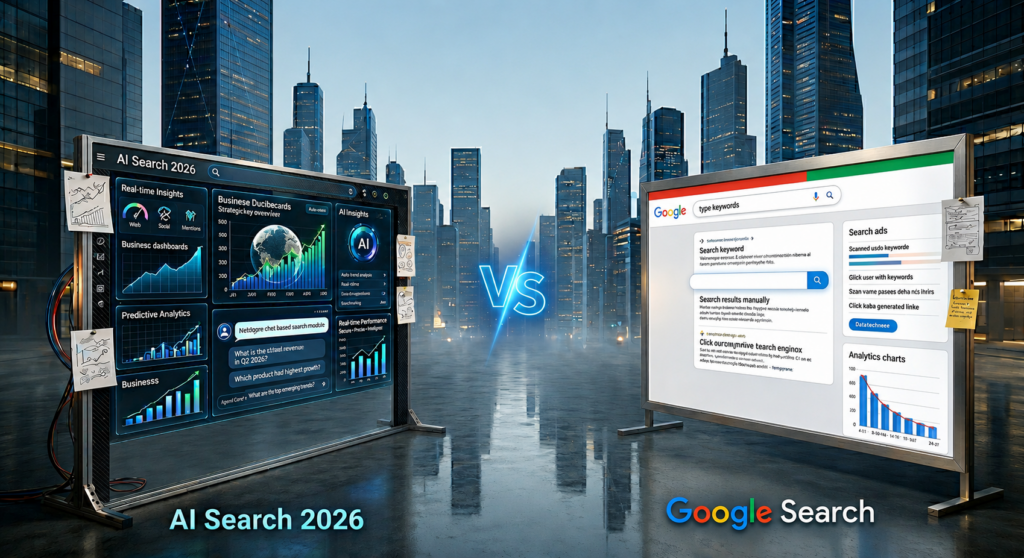
AI Search or Google SearchAI Search Or Google Search In 2026: Which One Brings More Leads For Businesses?
Informational Content

In 2026, the role of Informational Content in digital marketing has changed dramatically. Earlier, publishing blogs and guides was often enough to attract traffic and generate leads. But today, Informational Content alone is no longer sufficient to get clients or drive consistent business growth.

Search engines and AI-driven platforms now prioritize content that not only informs but also demonstrates authority, intent alignment, and conversion potential. This shift is pushing businesses to rethink how they create and distribute content.

If your strategy still depends only on Informational Content, you may get traffic—but not necessarily clients.

Why Informational Content Alone Is Not Enough In 2026 

The digital landscape has become more competitive and intent-driven. Users are no longer satisfied with just reading basic information—they expect solutions, recommendations, and actionable guidance.

While Informational Content still plays an important role in building awareness, it rarely converts directly into customers without strategic optimization.

Modern users often move through multiple touchpoints before making a decision, and content must now support the entire journey—not just the awareness stage, which is why businesses are increasingly investing in Answer Engine Optimization Services to improve visibility and conversions.

The Shift From Traffic To Conversions 

Earlier, success was measured by page views and rankings. Now, the focus has shifted to leads and revenue.

Even if your Informational Content ranks well, it will not deliver results unless it is supported by conversion-focused strategies such as landing pages, CTAs, and service positioning.

This is why businesses now combine content with performance-driven marketing systems instead of relying on blogs alone through Performance Marketing Services.

How Businesses Are Adapting Their Content Strategy 

To stay competitive, companies are evolving their approach beyond basic content writing.

Many brands now invest in SEO Services to ensure their content is optimized not just for rankings, but also for user intent and conversions.

At the same time, Answer Engine Optimization Services are becoming essential as AI systems increasingly generate direct answers instead of sending users to websites.

This means your content must be structured in a way that AI can understand, extract, and recommend.

The Role Of Paid And Performance Marketing 

Content alone cannot drive predictable leads anymore. That is why businesses are combining organic strategies with paid acquisition systems.

Services like:

  • Performance Marketing Services
  • Google Ads Management Services
  • PPC Services

help bridge the gap between visibility and conversions by targeting users who already have buying intent. This combination ensures that even if Informational Content builds awareness, paid strategies capture demand at the right moment through Google Ads Management Services.

Why Content Must Be Integrated With Lead Generation Systems 

One of the biggest mistakes businesses make is treating content as an isolated strategy.

In reality, content must work with:

  • Lead funnels
  • Retargeting campaigns
  • Conversion-optimized pages
  • Sales-driven messaging

For example, companies offering Lead Generation for B2B SaaS Companies now design content ecosystems that guide users from awareness to demo requests or inquiries.

Without this integration, even high-quality content fails to generate measurable business outcomes.

The Importance Of SEO And Visibility Optimization 

Even in 2026, SEO remains a core foundation—but it has evolved significantly.

Businesses using Digital Marketing for Small Businesses must now focus on intent-based SEO rather than keyword stuffing or generic blogs.

Similarly, agencies offering SEO Outsourcing Services are helping brands scale content production while ensuring it aligns with conversion goals and search engine updates.

This shows that SEO is no longer just about ranking—it is about driving qualified business results.

Why Informational Content Still Matters (But With A Purpose)

Even though Informational Content alone is not enough, it still plays a crucial role in the marketing funnel.

It helps:

  • Build brand authority
  • Educate potential customers
  • Improve organic visibility
  • Support AI search understanding

However, its real power is unlocked only when combined with strategy, intent mapping, and conversion systems.

Conclusion 

In 2026, relying only on Informational Content is no longer a sustainable strategy for client acquisition. While it remains important for awareness and education, it must be integrated into a broader system that includes SEO, paid marketing, and conversion optimization.

Businesses that combine content with SEO Services, PPC Services, Performance Marketing Services, and structured lead generation systems will consistently outperform those relying on content alone.

The future belongs to brands that don’t just publish content—but turn it into clients.

Contact Us

Services

Related Posts

Category