Contact Us

Services

Related Posts

Categories

Leads for Financial Services Companies

Financial services companies operate in a competitive market where trust, credibility, and customer relationships play an important role in business growth. Whether a business offers financial planning, lending services, insurance, investment solutions, or fintech products, reaching the right audience is essential for generating qualified leads.

Traditional marketing methods can still contribute to customer acquisition, but digital channels give financial businesses more opportunities to connect with people who are actively researching financial products and services.

A well-planned digital marketing strategy for financial services can help businesses improve online visibility, attract potential customers, build brand credibility, and turn website visitors into qualified enquiries.

Why Lead Generation Matters for Financial Services Companies

Generating leads is not simply about increasing website traffic. Financial businesses need to attract people who are genuinely interested in their services and are more likely to become customers.

For example, a mortgage provider may want to reach people researching home financing, while a financial advisory firm may focus on individuals looking for professional financial guidance. A fintech company might target businesses searching for digital payment or financial management solutions.

Each audience has different needs, expectations, and decision-making processes.

Digital marketing helps financial companies identify these audiences, deliver relevant information, and guide potential customers through the buying journey. With the right strategy, businesses can focus their marketing budgets on channels that support meaningful engagement and measurable business outcomes.

1. Use SEO to Attract High-Intent Financial Customers

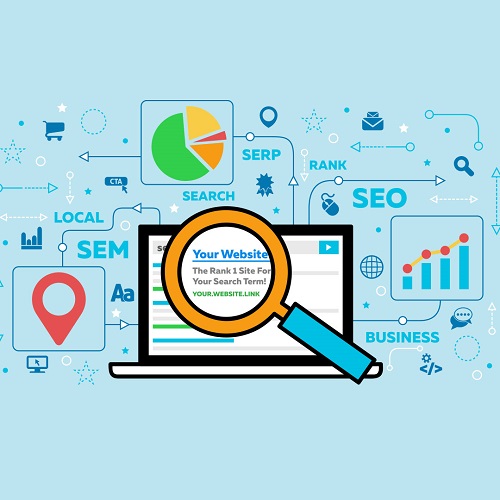
Search engine optimization is an important part of digital marketing for financial services companies. It helps businesses appear in search results when potential customers look for relevant financial products, solutions, and information.

Start by researching the keywords your target audience uses when searching for financial services. These may include terms related to financial planning, insurance policies, lending options, payment platforms, or business financing.

Instead of targeting only broad keywords, focus on specific searches that reflect customer needs and commercial intent.

For example, a financial advisory firm could create educational content around retirement planning, investment management, and financial planning services. A fintech business could publish guides explaining payment automation, digital transactions, or financial technology solutions for businesses.

An effective financial services SEO strategy should also include:

  • Optimizing service pages with relevant keywords and useful information.
  • Creating educational blog content that answers common customer questions.
  • Improving website speed, mobile usability, and navigation.
  • Developing clear page titles and meta descriptions.
  • Strengthening internal links between related blogs and service pages.
  • Demonstrating expertise through accurate, trustworthy content.

Financial topics require particular attention to accuracy and credibility because the information may influence important financial decisions. Businesses should keep content updated and ensure that claims are supported by reliable information.

2. Create Helpful Content That Builds Customer Trust

People often research financial products extensively before choosing a provider. They may compare services, evaluate potential risks, review fees, or look for answers to specific financial questions.

Content marketing gives financial businesses an opportunity to address these concerns before a potential customer makes a decision.

Useful content can include detailed blog posts, educational guides, frequently asked questions, explanatory videos, and downloadable resources.

For example, an insurance company could publish a guide explaining common policy terms. A lending business could explain the loan application process, while a fintech company could create content about digital payment security and financial automation.

The goal should be to make complex subjects easier to understand without making misleading promises or oversimplifying important risks.

Consistently publishing relevant content can help businesses establish credibility, improve organic search visibility, and give prospective customers more reasons to explore their services.

3. Use PPC Advertising to Reach Potential Customers Faster

While SEO typically requires time to build organic visibility, pay-per-click advertising can help financial businesses reach targeted audiences through paid search campaigns.

Google Ads can be particularly useful when potential customers are actively searching for a specific service. Advertisers can organize campaigns around relevant keywords, audience needs, and dedicated landing pages.

For example, a financial consulting company may run separate campaigns for business financial planning and personal financial advisory services. A fintech provider might promote a particular software solution to businesses searching for ways to improve their payment processes.

To improve campaign performance, financial businesses should:

  • Select keywords that match the services being promoted.
  • Write clear and accurate advertisements.
  • Direct visitors to relevant landing pages.
  • Track qualified enquiries rather than clicks alone.
  • Review search terms and exclude irrelevant traffic.
  • Monitor lead quality, acquisition costs, and conversion rates.

Financial advertising can be subject to platform-specific restrictions and applicable laws. Campaigns should follow relevant advertising policies, licensing requirements, and disclosure obligations.

A properly managed PPC strategy can complement SEO by capturing immediate search demand while organic marketing efforts develop.

4. Improve Landing Pages to Convert Website Visitors

Attracting visitors is only one part of successful digital marketing. Financial businesses also need websites that make it easy for potential customers to understand their services and take the next step.

A landing page should communicate the value of a service clearly and provide the information visitors need to evaluate the offering.

Avoid filling pages with technical jargon or making unsupported claims about financial results. Instead, explain who the service is designed for, how the process works, and what customers can expect.

Effective landing pages often include:

  • A clear headline describing the service.
  • Concise explanations of key benefits and features.
  • Relevant credentials and verifiable trust signals.
  • Transparent information about fees, terms, or limitations where appropriate.
  • Answers to common customer questions.
  • A simple and accessible enquiry process.

Website performance also matters. Slow loading times, confusing navigation, and lengthy forms can discourage potential customers from completing an enquiry.

Financial businesses should regularly review landing-page performance and test improvements based on actual user behaviour and conversion data.

5. Build Brand Awareness Through Social Media Marketing

Social media marketing can help financial services companies remain visible, share useful information, and establish relationships with their target audiences.

The most effective platforms depend on the business model and the people it wants to reach. LinkedIn can be valuable for B2B fintech providers, financial consultants, and companies targeting business decision-makers. Facebook and Instagram may be useful for consumer-facing financial brands when their audiences are active on these platforms.

Instead of using social media exclusively for promotional posts, businesses should share content that addresses real customer concerns.

Examples include short educational videos, explanations of financial terminology, answers to common questions, company updates, and insights into industry developments.

Consistency is important, but so is accuracy. Financial brands should review promotional content carefully, avoid exaggerated claims, and ensure that important risks or limitations are not hidden.

Social media can also support paid campaigns that reach relevant audiences and bring interested users back to dedicated service pages.

6. Use Email Marketing to Nurture Prospective Customers

Not every potential customer is ready to purchase a financial service immediately. Some people may need additional information, time to compare options, or reassurance before making a decision.

Email marketing can help businesses maintain communication with people who have willingly subscribed to receive updates or requested relevant information.

A financial company might send educational newsletters, product explanations, service updates, or helpful resources based on the subscriber’s interests and preferences.

For example, a fintech provider could share a guide explaining how its software works before introducing a product demonstration. A financial consulting firm might distribute educational material that helps prospective clients understand its services.

Successful email campaigns should deliver relevant information rather than repeatedly sending promotional messages.

Businesses should also respect consent requirements, provide appropriate unsubscribe options, and protect customer information.

When combined with useful website content and well-designed landing pages, email marketing can support lead nurturing and encourage prospective customers to take the next step when they are ready.

7. Measure Digital Marketing Performance With Meaningful Metrics

Financial services companies need to understand which marketing activities generate valuable business opportunities.

Website traffic and social media engagement can provide useful information, but these metrics do not always indicate whether a campaign is attracting qualified leads.

A more effective measurement strategy connects marketing activity with business objectives.

Important metrics include organic search traffic, qualified enquiries, landing-page conversion rates, cost per qualified lead, customer acquisition cost, and the percentage of leads that become customers.

Businesses should also examine how different channels contribute to conversions. For example, a potential customer might discover a company through organic search, return through a paid advertisement, and submit an enquiry after reading an educational article.

Accurate conversion tracking can help marketing teams understand these customer journeys and allocate budgets more effectively.

Regular performance reviews make it easier to identify underperforming campaigns, improve landing pages, refine audience targeting, and invest in activities that deliver sustainable results.

8. Choose a Digital Marketing Strategy That Fits Your Financial Business

Different financial businesses require different marketing approaches. A mortgage provider, an insurance company, a financial advisory firm, and a fintech software business may target different audiences and face different competitive challenges.

For this reason, a successful strategy should begin with a clear understanding of the company’s services, ideal customers, business goals, and marketing budget.

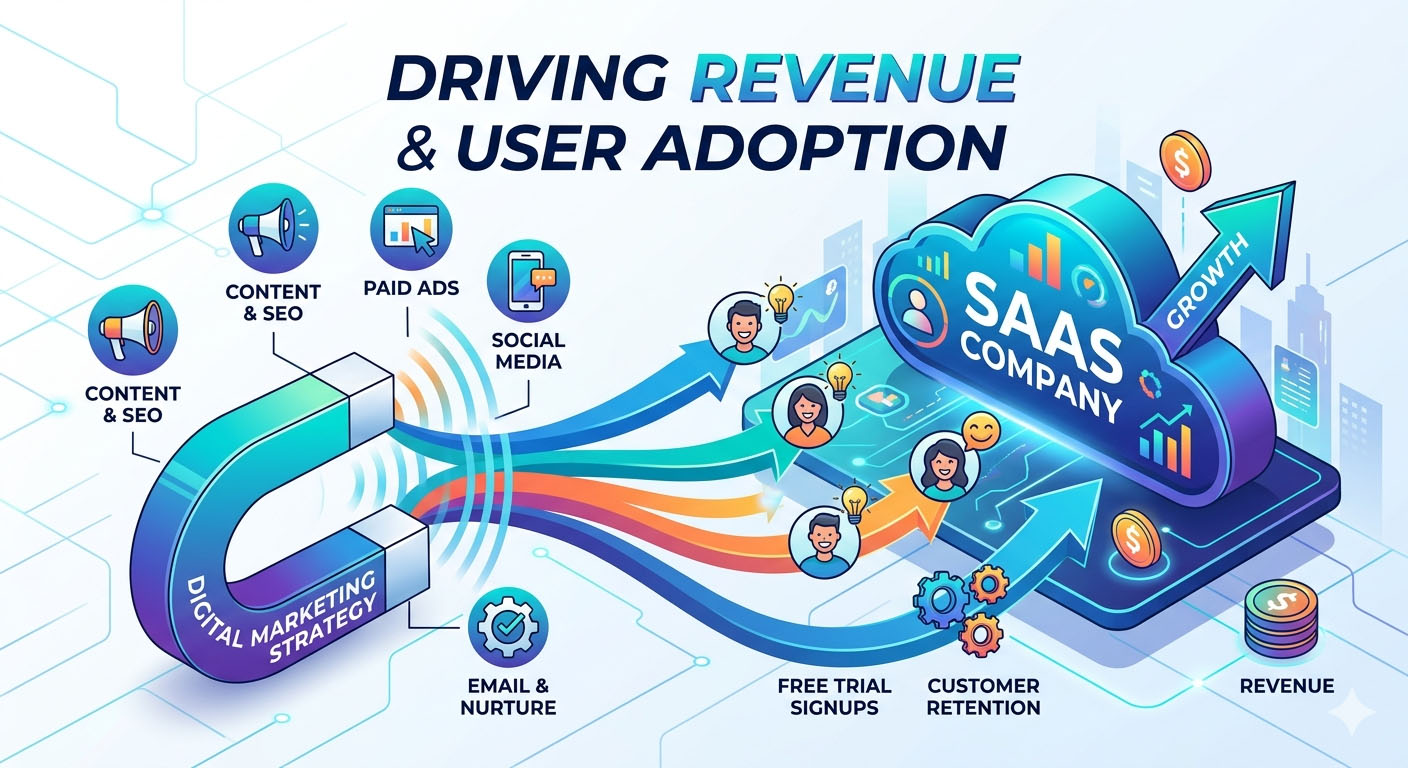
SEO can help capture long-term organic demand, PPC can target people actively searching for solutions, social media can support awareness, and content marketing can help build credibility. Landing-page optimization and conversion tracking connect these activities with measurable outcomes.

Businesses that need a coordinated approach across multiple channels may benefit from working with a specialized agency that understands both digital marketing and the specific requirements of the financial services industry.

OMR Digital provides digital marketing solutions for financial services and fintech companies, including SEO, PPC advertising, and social media marketing. Businesses can explore its digital marketing services for financial and fintech companies to learn more about its industry-focused approach.

Final Thoughts

Generating qualified leads in the financial services industry requires more than running advertisements or publishing occasional blog posts. Businesses need a consistent strategy that combines search visibility, useful content, targeted advertising, customer engagement, and effective conversion processes.

By understanding customer intent, communicating transparently, and measuring meaningful results, financial services companies can build stronger digital relationships and create more opportunities for business growth.

The most effective approach is to focus on the right audience, provide accurate and valuable information, and continuously improve marketing activities based on performance data. Over time, these efforts can help financial businesses strengthen their online presence and build a more sustainable lead generation process.

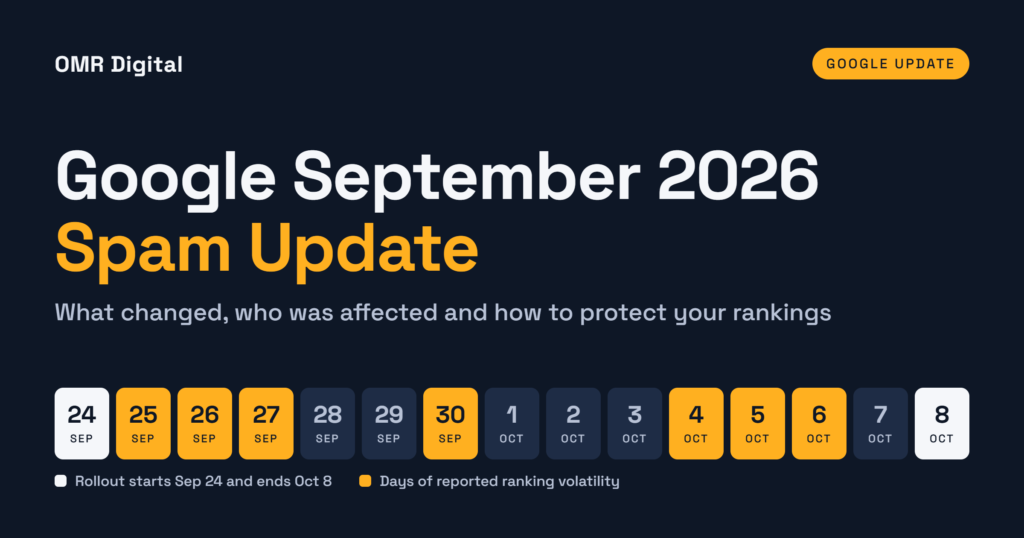
Google spam update 2026Google September 2026 Spam Update Is Over: What Happened and What Your Website Should Do Next
Leads for Financial Services Companies

Financial services companies operate in a competitive market where trust, credibility, and customer relationships play an important role in business growth. Whether a business offers financial planning, lending services, insurance, investment solutions, or fintech products, reaching the right audience is essential for generating qualified leads.

Traditional marketing methods can still contribute to customer acquisition, but digital channels give financial businesses more opportunities to connect with people who are actively researching financial products and services.

A well-planned digital marketing strategy for financial services can help businesses improve online visibility, attract potential customers, build brand credibility, and turn website visitors into qualified enquiries.

Why Lead Generation Matters for Financial Services Companies

Generating leads is not simply about increasing website traffic. Financial businesses need to attract people who are genuinely interested in their services and are more likely to become customers.

For example, a mortgage provider may want to reach people researching home financing, while a financial advisory firm may focus on individuals looking for professional financial guidance. A fintech company might target businesses searching for digital payment or financial management solutions.

Each audience has different needs, expectations, and decision-making processes.

Digital marketing helps financial companies identify these audiences, deliver relevant information, and guide potential customers through the buying journey. With the right strategy, businesses can focus their marketing budgets on channels that support meaningful engagement and measurable business outcomes.

1. Use SEO to Attract High-Intent Financial Customers

Search engine optimization is an important part of digital marketing for financial services companies. It helps businesses appear in search results when potential customers look for relevant financial products, solutions, and information.

Start by researching the keywords your target audience uses when searching for financial services. These may include terms related to financial planning, insurance policies, lending options, payment platforms, or business financing.

Instead of targeting only broad keywords, focus on specific searches that reflect customer needs and commercial intent.

For example, a financial advisory firm could create educational content around retirement planning, investment management, and financial planning services. A fintech business could publish guides explaining payment automation, digital transactions, or financial technology solutions for businesses.

An effective financial services SEO strategy should also include:

  • Optimizing service pages with relevant keywords and useful information.
  • Creating educational blog content that answers common customer questions.
  • Improving website speed, mobile usability, and navigation.
  • Developing clear page titles and meta descriptions.
  • Strengthening internal links between related blogs and service pages.
  • Demonstrating expertise through accurate, trustworthy content.

Financial topics require particular attention to accuracy and credibility because the information may influence important financial decisions. Businesses should keep content updated and ensure that claims are supported by reliable information.

2. Create Helpful Content That Builds Customer Trust

People often research financial products extensively before choosing a provider. They may compare services, evaluate potential risks, review fees, or look for answers to specific financial questions.

Content marketing gives financial businesses an opportunity to address these concerns before a potential customer makes a decision.

Useful content can include detailed blog posts, educational guides, frequently asked questions, explanatory videos, and downloadable resources.

For example, an insurance company could publish a guide explaining common policy terms. A lending business could explain the loan application process, while a fintech company could create content about digital payment security and financial automation.

The goal should be to make complex subjects easier to understand without making misleading promises or oversimplifying important risks.

Consistently publishing relevant content can help businesses establish credibility, improve organic search visibility, and give prospective customers more reasons to explore their services.

3. Use PPC Advertising to Reach Potential Customers Faster

While SEO typically requires time to build organic visibility, pay-per-click advertising can help financial businesses reach targeted audiences through paid search campaigns.

Google Ads can be particularly useful when potential customers are actively searching for a specific service. Advertisers can organize campaigns around relevant keywords, audience needs, and dedicated landing pages.

For example, a financial consulting company may run separate campaigns for business financial planning and personal financial advisory services. A fintech provider might promote a particular software solution to businesses searching for ways to improve their payment processes.

To improve campaign performance, financial businesses should:

  • Select keywords that match the services being promoted.
  • Write clear and accurate advertisements.
  • Direct visitors to relevant landing pages.
  • Track qualified enquiries rather than clicks alone.
  • Review search terms and exclude irrelevant traffic.
  • Monitor lead quality, acquisition costs, and conversion rates.

Financial advertising can be subject to platform-specific restrictions and applicable laws. Campaigns should follow relevant advertising policies, licensing requirements, and disclosure obligations.

A properly managed PPC strategy can complement SEO by capturing immediate search demand while organic marketing efforts develop.

4. Improve Landing Pages to Convert Website Visitors

Attracting visitors is only one part of successful digital marketing. Financial businesses also need websites that make it easy for potential customers to understand their services and take the next step.

A landing page should communicate the value of a service clearly and provide the information visitors need to evaluate the offering.

Avoid filling pages with technical jargon or making unsupported claims about financial results. Instead, explain who the service is designed for, how the process works, and what customers can expect.

Effective landing pages often include:

  • A clear headline describing the service.
  • Concise explanations of key benefits and features.
  • Relevant credentials and verifiable trust signals.
  • Transparent information about fees, terms, or limitations where appropriate.
  • Answers to common customer questions.
  • A simple and accessible enquiry process.

Website performance also matters. Slow loading times, confusing navigation, and lengthy forms can discourage potential customers from completing an enquiry.

Financial businesses should regularly review landing-page performance and test improvements based on actual user behaviour and conversion data.

5. Build Brand Awareness Through Social Media Marketing

Social media marketing can help financial services companies remain visible, share useful information, and establish relationships with their target audiences.

The most effective platforms depend on the business model and the people it wants to reach. LinkedIn can be valuable for B2B fintech providers, financial consultants, and companies targeting business decision-makers. Facebook and Instagram may be useful for consumer-facing financial brands when their audiences are active on these platforms.

Instead of using social media exclusively for promotional posts, businesses should share content that addresses real customer concerns.

Examples include short educational videos, explanations of financial terminology, answers to common questions, company updates, and insights into industry developments.

Consistency is important, but so is accuracy. Financial brands should review promotional content carefully, avoid exaggerated claims, and ensure that important risks or limitations are not hidden.

Social media can also support paid campaigns that reach relevant audiences and bring interested users back to dedicated service pages.

6. Use Email Marketing to Nurture Prospective Customers

Not every potential customer is ready to purchase a financial service immediately. Some people may need additional information, time to compare options, or reassurance before making a decision.

Email marketing can help businesses maintain communication with people who have willingly subscribed to receive updates or requested relevant information.

A financial company might send educational newsletters, product explanations, service updates, or helpful resources based on the subscriber’s interests and preferences.

For example, a fintech provider could share a guide explaining how its software works before introducing a product demonstration. A financial consulting firm might distribute educational material that helps prospective clients understand its services.

Successful email campaigns should deliver relevant information rather than repeatedly sending promotional messages.

Businesses should also respect consent requirements, provide appropriate unsubscribe options, and protect customer information.

When combined with useful website content and well-designed landing pages, email marketing can support lead nurturing and encourage prospective customers to take the next step when they are ready.

7. Measure Digital Marketing Performance With Meaningful Metrics

Financial services companies need to understand which marketing activities generate valuable business opportunities.

Website traffic and social media engagement can provide useful information, but these metrics do not always indicate whether a campaign is attracting qualified leads.

A more effective measurement strategy connects marketing activity with business objectives.

Important metrics include organic search traffic, qualified enquiries, landing-page conversion rates, cost per qualified lead, customer acquisition cost, and the percentage of leads that become customers.

Businesses should also examine how different channels contribute to conversions. For example, a potential customer might discover a company through organic search, return through a paid advertisement, and submit an enquiry after reading an educational article.

Accurate conversion tracking can help marketing teams understand these customer journeys and allocate budgets more effectively.

Regular performance reviews make it easier to identify underperforming campaigns, improve landing pages, refine audience targeting, and invest in activities that deliver sustainable results.

8. Choose a Digital Marketing Strategy That Fits Your Financial Business

Different financial businesses require different marketing approaches. A mortgage provider, an insurance company, a financial advisory firm, and a fintech software business may target different audiences and face different competitive challenges.

For this reason, a successful strategy should begin with a clear understanding of the company’s services, ideal customers, business goals, and marketing budget.

SEO can help capture long-term organic demand, PPC can target people actively searching for solutions, social media can support awareness, and content marketing can help build credibility. Landing-page optimization and conversion tracking connect these activities with measurable outcomes.

Businesses that need a coordinated approach across multiple channels may benefit from working with a specialized agency that understands both digital marketing and the specific requirements of the financial services industry.

OMR Digital provides digital marketing solutions for financial services and fintech companies, including SEO, PPC advertising, and social media marketing. Businesses can explore its digital marketing services for financial and fintech companies to learn more about its industry-focused approach.

Final Thoughts

Generating qualified leads in the financial services industry requires more than running advertisements or publishing occasional blog posts. Businesses need a consistent strategy that combines search visibility, useful content, targeted advertising, customer engagement, and effective conversion processes.

By understanding customer intent, communicating transparently, and measuring meaningful results, financial services companies can build stronger digital relationships and create more opportunities for business growth.

The most effective approach is to focus on the right audience, provide accurate and valuable information, and continuously improve marketing activities based on performance data. Over time, these efforts can help financial businesses strengthen their online presence and build a more sustainable lead generation process.

Contact Us

Services

Related Posts

Category