
Contact Us
Related Posts



Categories
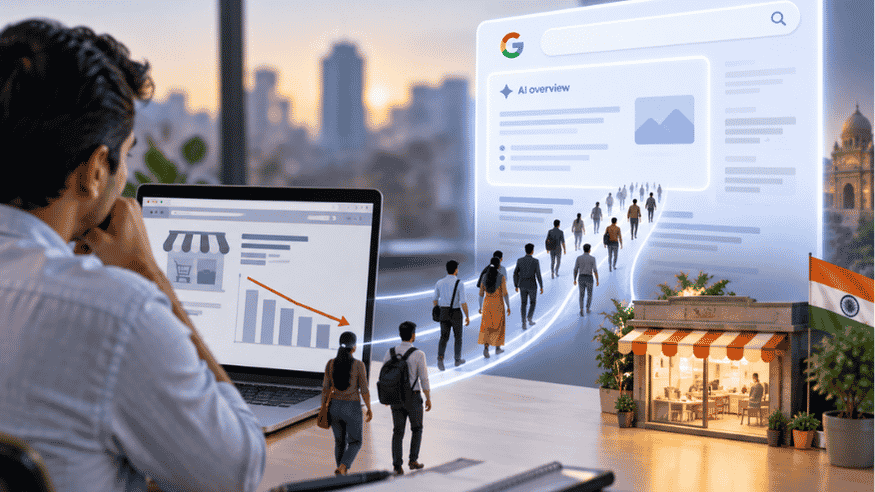
Google Search has changed dramatically with the introduction of Google AI Overview. Instead of showing only a list of websites, Google can now generate AI-powered summaries that answer users’ questions directly on the search results page.
This new experience is transforming the way people search, consume information, and interact with websites. For businesses and marketers, it also changes how SEO works. Ranking #1 is no longer the only goal. Your content now needs to be helpful enough for Google’s AI to reference and recommend.
If you’re wondering how Google AI Overview works, this guide explains everything you need to know, including how Google creates AI-generated answers and how your website can become part of them.
What Is Google AI Overview?
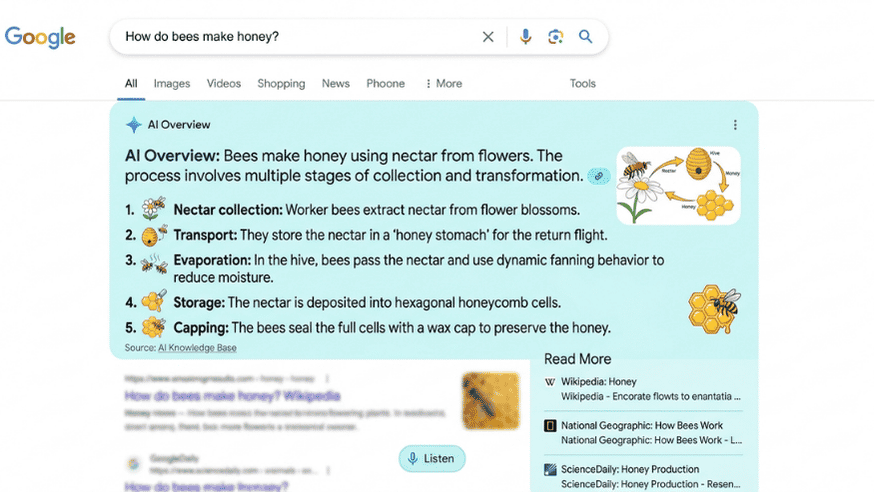
Google AI Overview is an AI-powered feature that appears at the top of search results for many informational queries. It uses Google’s Gemini AI model to generate concise answers by analyzing information from multiple trusted websites.
Instead of making users visit several pages, Google provides a summarized response while also including links to the original sources for additional information.
The objective is simple: help users find accurate answers faster while still connecting them with high-quality websites.
Why Did Google Introduce AI Overview?
Search behavior has changed significantly over the last few years. Users expect instant answers rather than browsing through multiple websites.
Google introduced AI Overview to:
- Answer complex questions more efficiently
- Improve the overall search experience
- Reduce the time users spend searching
- Better understand conversational queries
- Deliver context-rich answers instead of simple keyword matches
Rather than acting like a traditional search engine, Google is becoming an intelligent answer engine.
How Does Google AI Overview Work?
Google AI Overview combines artificial intelligence with Google’s search index to generate accurate and helpful summaries.
Here’s how the process works.
Step 1: Understanding Search Intent
The first step is understanding what the user actually wants.
Instead of focusing only on keywords, Google analyzes:
- Search intent
- Context
- User language
- Relationships between words
- Previous search patterns
- Natural language queries
For example, when someone searches:
“Best CRM software for startups”
Google understands that the user may want:
- Software recommendations
- Pricing
- Features
- Comparisons
- Buying advice
This deeper understanding allows AI Overview to create much more useful responses.
Step 2: Searching Google’s Index
Once Google understands the question, it searches billions of indexed pages.
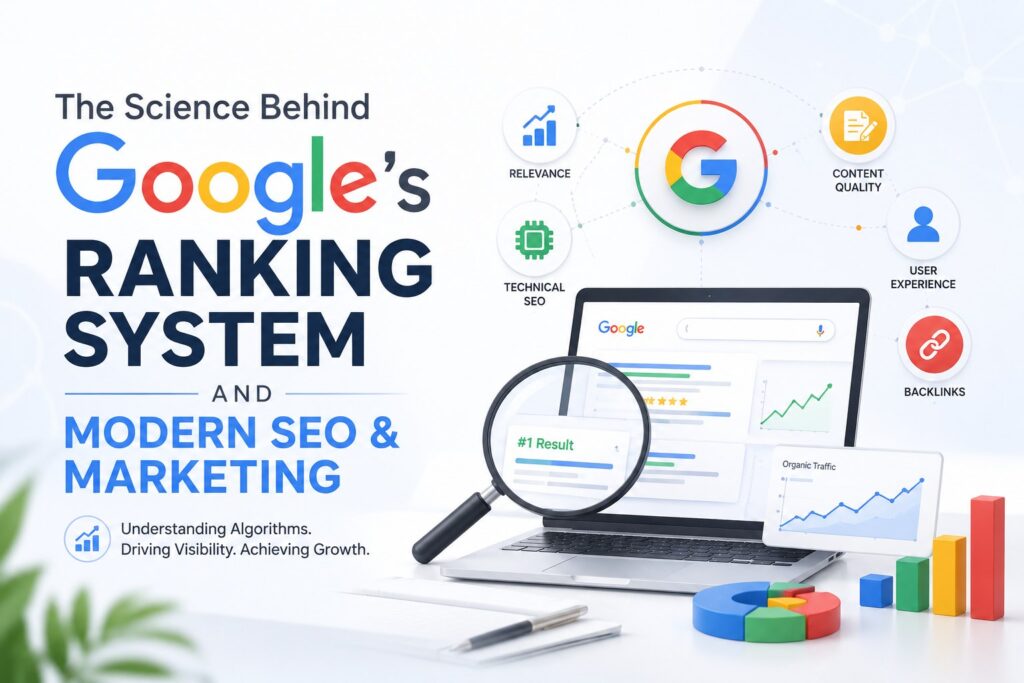
Google evaluates content based on factors such as:
- Relevance
- Content quality
- Website authority
- Expertise
- Trustworthiness
- Freshness
- User experience
- Structured data
Only pages considered valuable are used as potential sources.
Step 3: AI Generates the Summary
After gathering reliable information, Google’s Gemini AI analyzes the content and creates a natural-language response.
Unlike copying content from one website, AI Overview combines information from multiple trustworthy sources into a single comprehensive answer.
This allows users to understand a topic without visiting numerous pages.
Step 4: Source Validation
Google does not blindly trust AI.
The generated response is verified using Google’s search systems before being shown.
Google also includes links to relevant websites, allowing users to explore the original content for deeper information.
Step 5: Continuous Improvement
AI Overview continues learning through:
- User interactions
- Search satisfaction
- Updated content
- New indexed pages
- AI model improvements
This means the websites referenced in AI Overview can change over time.
What Types of Searches Trigger AI Overview?
AI Overview generally appears for informational and research-based queries, such as:
- How-to guides
- Product comparisons
- Educational topics
- Business advice
- Health information
- Technology questions
- Marketing strategies
- SEO-related topics
Examples include:
- How does Google AI Overview work?
- What is Technical SEO?
- How to improve Local SEO?
- Best CRM software
- What is AI SEO?
Not every search will display an AI Overview. Many transactional or navigational searches still show traditional search results.
How Is Google AI Overview Different from Traditional Search?
Traditional Google Search displays a list of web pages ranked according to Google’s algorithm. Users usually visit multiple websites before finding a complete answer.
Google AI Overview works differently. Instead of presenting only links, it generates an AI-powered summary using information gathered from several reliable sources.
Traditional SEO focuses primarily on keyword rankings and backlinks, whereas AI Overview places greater importance on search intent, topical authority, expertise, content quality, and how effectively a page answers a user’s question.
For businesses, this means creating genuinely useful content has become more important than simply targeting keywords.
Businesses working with OMR Digital can improve their visibility by implementing AI SEO, Answer Engine Optimization (AEO), Generative Engine Optimization (GEO), Technical SEO, and semantic content strategies that align with Google’s AI-powered search experience.
Why Does Google Select Certain Websites?
Google AI Overview references websites that demonstrate strong quality signals.
Some of the most important factors include:
Helpful Content
Content should solve real user problems rather than simply targeting keywords.
Topical Authority
Publishing multiple high-quality articles around the same subject helps Google understand your expertise.
Expertise
Content written by knowledgeable professionals is more likely to be trusted.
Trustworthiness
Accurate information, transparent authorship, citations, and updated content improve credibility.
Technical SEO
Fast-loading websites with excellent user experience are easier for Google to understand.
Structured Content
Clear headings, bullet points, FAQs, and logical formatting help AI interpret information more effectively.
Can Your Website Appear in Google AI Overview?
Yes.
Your website doesn’t always need to rank first.
Google often references websites that provide the clearest and most comprehensive answers to a user’s question.
Improving your chances involves creating content that is:
- Original
- Accurate
- Well-structured
- Comprehensive
- Helpful
- Updated regularly
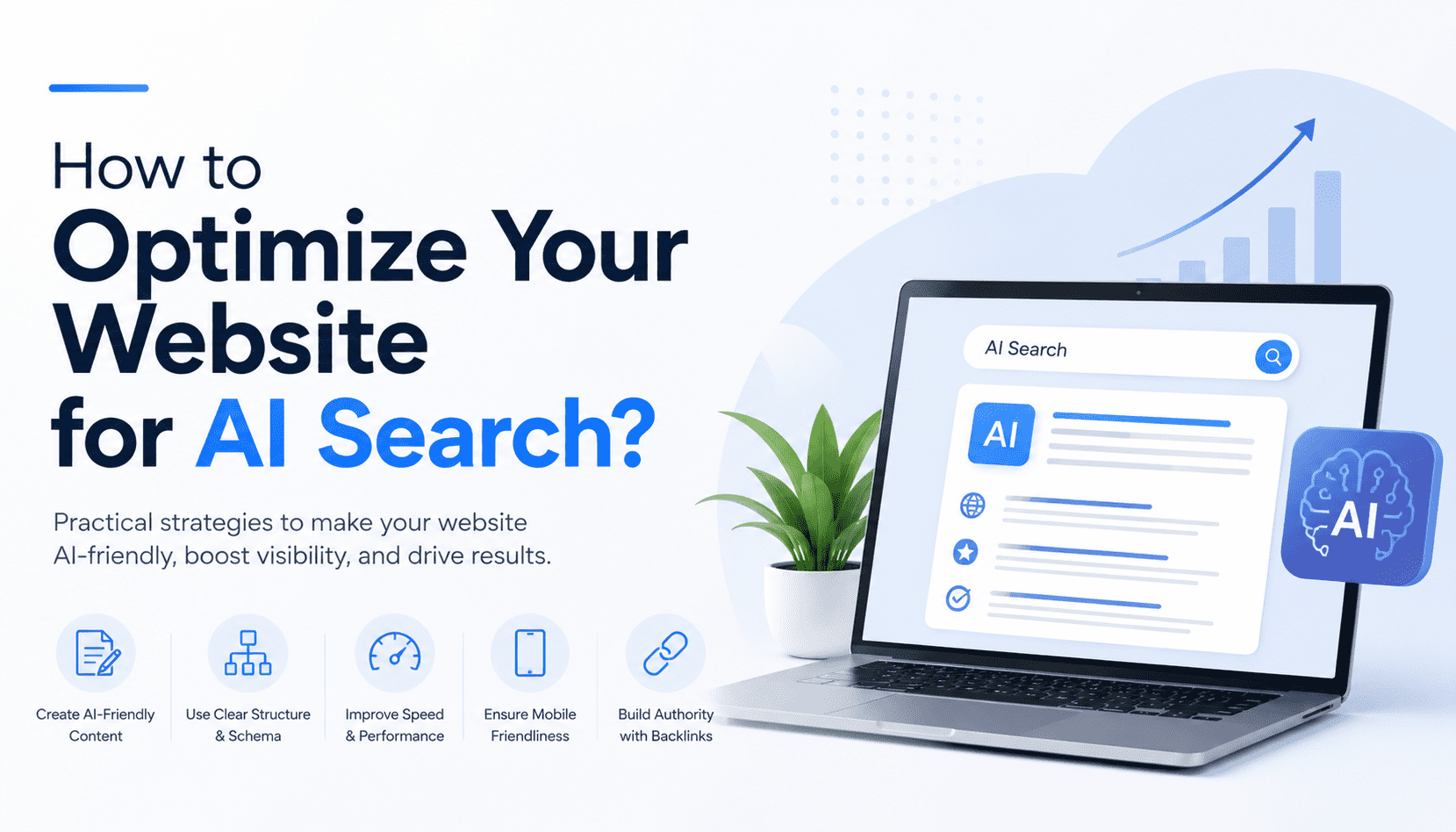
How to Optimize for Google AI Overview
Focus on User Intent
Before writing, understand exactly what users want to know.
Answer their questions completely.
Create Comprehensive Content
Cover a topic in depth instead of writing short articles targeting only one keyword.
Long-form content generally performs better for AI-generated summaries.
Build Topical Authority
Instead of publishing one SEO article, create an entire content cluster covering related topics.
For example:
- AI SEO
- AEO
- GEO
- Semantic SEO
- Technical SEO
- Entity SEO
- Search Intent
- Google AI Overview
Google begins recognizing your website as an authority on the topic.
Improve Technical SEO
Make sure your website has:
- Fast loading speed
- Mobile-friendly design
- HTTPS security
- XML sitemap
- Clean URLs
- Internal linking
- Proper indexing
Use Structured Data
Schema markup helps Google understand your content more accurately.
Useful schema types include:
- Article
- FAQ
- Organization
- Breadcrumb
- Local Business
- Product
Write Naturally
Avoid keyword stuffing.
Instead, use semantic keywords naturally throughout your content.
Google’s AI understands context much better than repeating exact-match keywords.
Add FAQs
Frequently Asked Questions help Google understand related user queries and improve topical relevance.
Keep Content Updated
AI Overview prefers fresh information.
Review and update important articles regularly with new insights and examples.
Does AI Overview Reduce Website Traffic?
The answer depends on the type of search.
Some informational searches may receive fewer clicks because users get immediate answers.
However, websites referenced in AI Overview often benefit from:
- Higher visibility
- Increased authority
- Better brand recognition
- More qualified visitors
- Greater trust among users
Being cited by Google’s AI can become just as valuable as ranking highly in traditional search.
The Future of SEO
SEO is no longer just about keywords and backlinks.
Modern optimization includes:
- AI SEO
- Answer Engine Optimization (AEO)
- Generative Engine Optimization (GEO)
- Semantic SEO
- Entity SEO
- User Intent Optimization
- Experience-driven content
Businesses that adapt early will have a significant competitive advantage.
At OMR Digital, we help businesses prepare for this new era with AI-focused SEO strategies designed to improve visibility across Google Search, AI Overview, ChatGPT, Gemini, and other AI-powered search platforms.
Final Thoughts
Google AI Overview is changing how people search for information online. Instead of relying only on traditional rankings, Google now uses artificial intelligence to generate helpful summaries from multiple trusted sources.
This shift rewards businesses that create genuinely valuable content, demonstrate expertise, and build topical authority.
If your goal is long-term organic growth, optimizing for AI-powered search should become a key part of your digital marketing strategy.
As search continues evolving, businesses that embrace AI SEO today will be better positioned to earn visibility, trust, and qualified traffic tomorrow.
Frequently Asked Questions
What is Google AI Overview?
Google AI Overview is an AI-generated summary that appears at the top of Google Search results, providing quick answers by combining information from multiple trusted websites.
How does Google AI Overview work?
Google AI Overview understands user intent, searches Google’s index for reliable information, uses Gemini AI to generate a summary, validates the response, and displays links to trusted sources.
Can my website appear in AI Overview?
Yes. Websites with helpful, authoritative, well-structured, and technically optimized content have a better chance of being referenced.
Is traditional SEO still important?
Absolutely. Traditional SEO remains essential, but businesses should also optimize for AI SEO, AEO, GEO, semantic search, and user intent.
How can OMR Digital help?
OMR Digital helps businesses improve visibility through AI SEO, Technical SEO, Generative Engine Optimization (GEO), Answer Engine Optimization (AEO), content strategy, Local SEO, and comprehensive search optimization designed for the future of Google Search.