
Contact Us
Related Posts






























Categories

Building a successful company has never been just about offering a great product or service. In 2026, businesses that consistently outperform competitors share a set of common characteristics that help them generate stronger revenue, improve customer retention, and adapt quickly to changing market conditions. While industries may differ, the principles behind sustainable growth remain surprisingly similar.
The most successful organizations understand that profitability is no longer driven by one marketing channel, one sales tactic, or one operational advantage. Instead, they create systems that attract customers, deliver exceptional experiences, and support long-term expansion. Many High-Profit Businesses have developed repeatable growth models that allow them to scale efficiently while maintaining customer trust.
This article explores the key traits shared by highly profitable companies and explains how business owners can apply these lessons to their own organizations.
A Clear Understanding of Their Ideal Customers
One of the strongest characteristics of successful businesses is their deep understanding of customer needs. Rather than trying to serve everyone, profitable companies focus on specific audiences and create solutions tailored to those groups.
They invest time in learning:
- Customer pain points
- Buying behaviors
- Decision-making factors
- Service expectations
- Long-term needs
This knowledge helps them develop better products, create more relevant marketing campaigns, and improve overall customer satisfaction. Companies that understand their audience well often spend less on customer acquisition because their messaging resonates more effectively.
Strong Digital Presence That Builds Trust
Modern consumers frequently research businesses before making purchasing decisions. Whether someone is hiring a service provider, buying a product, or requesting a consultation, they often evaluate a company’s online presence first.
Profitable organizations recognize this shift and prioritize a professional digital presence that communicates credibility. Their websites are easy to navigate, informative, and designed to guide visitors toward taking action.
An important factor in this process is customer-focused web design, which helps businesses create experiences that address visitor needs while reducing friction throughout the buying journey. Companies that invest in user experience often achieve higher conversion rates and stronger customer engagement.
Consistent Investment in Visibility
Even the best products struggle to generate revenue if potential customers cannot find them. High performing businesses understand the importance of being visible where buyers are actively searching for solutions.
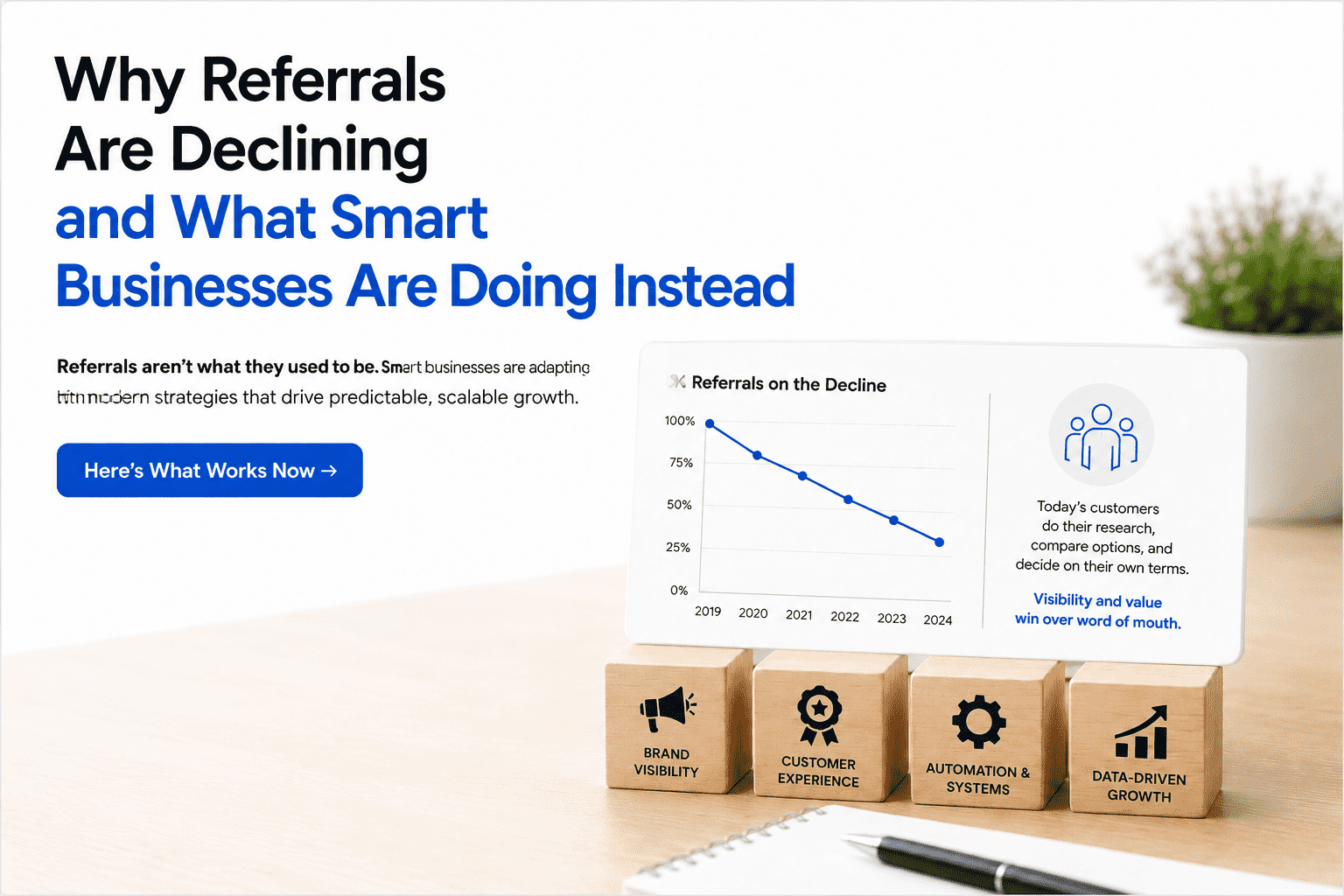
Instead of relying solely on referrals or traditional advertising, they build systems that improve their search visibility over time. This allows them to attract qualified prospects who already have purchase intent.
The advantage of this approach is sustainability. As visibility increases, businesses gain access to a steady stream of opportunities without constantly increasing advertising budgets. Over time, this creates a stronger foundation for growth and profitability.
Scalable Systems Instead of Constant Hustle
Many small businesses initially grow through hard work and direct owner involvement. However, the most profitable organizations eventually transition from effort-based growth to system-based growth.
They create documented processes for:
- Sales
- Marketing
- Customer onboarding
- Service delivery
- Team management
This shift allows companies to operate efficiently even as demand increases. Rather than solving the same problems repeatedly, teams follow established systems that improve consistency and reduce operational costs.
A major reason why High-Profit Businesses continue expanding is their ability to scale operations without increasing expenses at the same rate as revenue. This efficiency leads to stronger profit margins and greater long-term stability.
Reliable Methods for Generating New Opportunities
Revenue growth depends on maintaining a healthy pipeline of potential customers. Successful businesses rarely rely on a single source of leads because market conditions can change quickly.
Instead, they develop scalable lead generation strategies that consistently bring qualified prospects into the business. These systems often combine multiple channels, allowing companies to reduce risk while maintaining growth momentum.
The goal is not simply generating more inquiries but attracting the right inquiries. Businesses that focus on lead quality often experience higher conversion rates and lower acquisition costs, leading to greater profitability.
Strong Local Market Positioning
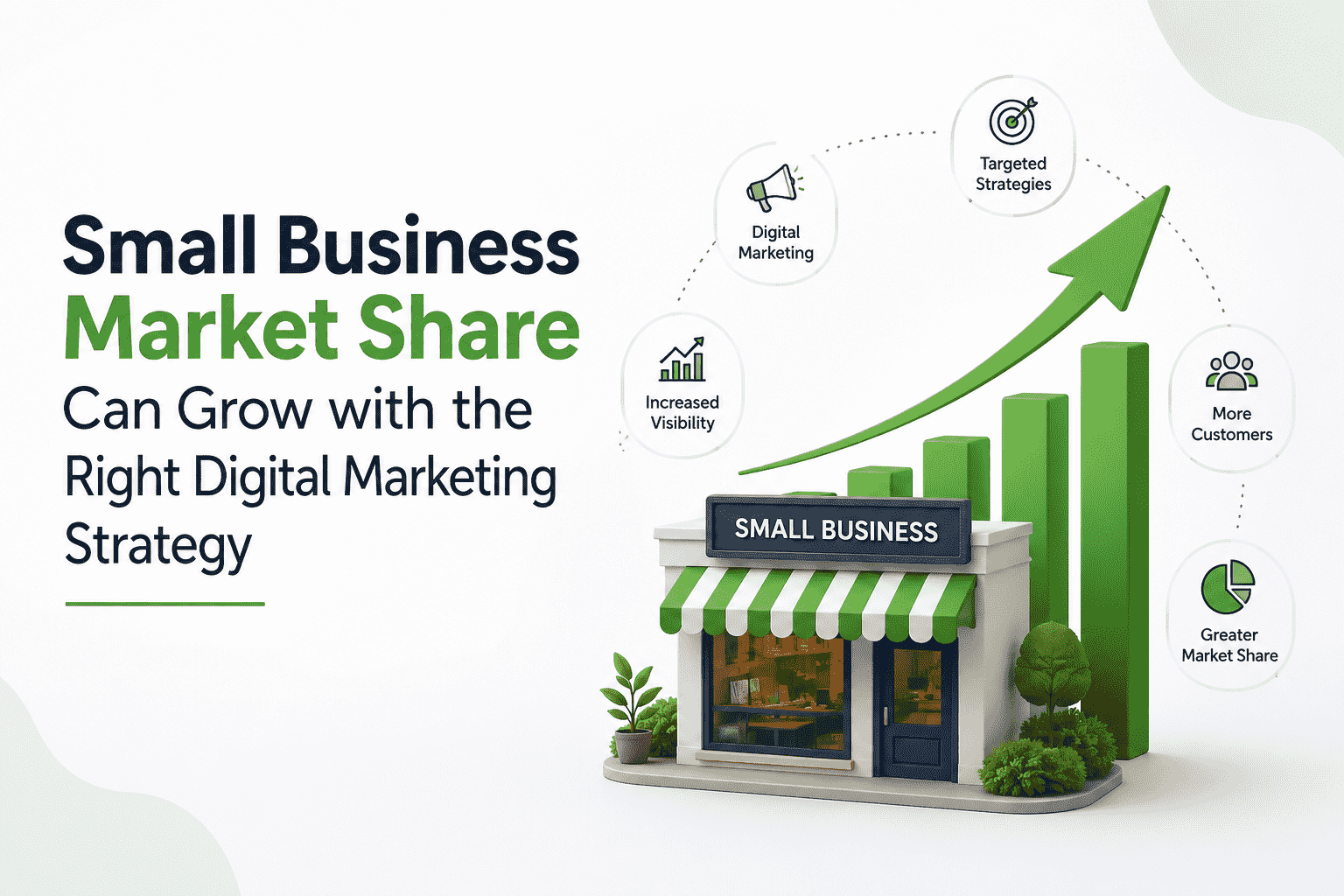
Although digital marketing has expanded opportunities nationwide, local markets remain extremely valuable for many industries. Service providers, healthcare organizations, professional firms, contractors, and retail businesses often depend heavily on customers within a specific geographic area.
Profitable companies understand the importance of strengthening their local search visibility so nearby customers can easily discover them when looking for solutions.
When businesses become highly visible within their local markets, they often enjoy several advantages:
- Increased trust among nearby customers
- More qualified inquiries
- Better brand recognition
- Lower customer acquisition costs
- Greater market share
These benefits contribute directly to long-term profitability and sustainable growth.
Focus on Customer Retention
Many organizations focus heavily on acquiring new customers while overlooking existing ones. Highly profitable companies take a different approach.
They understand that retaining customers is often less expensive than acquiring new ones. As a result, they invest in:
- Customer support
- Follow-up communication
- Service quality
- Loyalty programs
- Relationship building
A loyal customer base generates repeat purchases, referrals, positive reviews, and stronger lifetime value. This creates predictable revenue streams that help stabilize business performance during economic uncertainty.
Companies that prioritize customer retention often experience higher profit margins because they spend less money replacing lost customers.
Data-Driven Decision Making
Successful businesses rarely make major decisions based solely on assumptions. Instead, they rely on data to understand what is working and where improvements are needed.
They monitor key metrics such as:
- Conversion rates
- Customer acquisition costs
- Revenue trends
- Customer retention rates
- Marketing performance
This information helps leaders allocate resources more effectively and identify opportunities for growth before competitors do.
Data-driven organizations can also adapt more quickly when market conditions change, giving them a significant competitive advantage.
Building Strong Brand Authority
Customers are more likely to buy from companies they trust. For this reason, profitable businesses consistently invest in strengthening their reputation and industry authority.
They accomplish this through:
- Educational content
- Industry expertise
- Positive customer experiences
- Consistent branding
- Community engagement
As authority grows, customers become more confident in choosing the business over competitors. This trust often allows companies to command higher prices while maintaining strong demand.
A respected brand also reduces the amount of persuasion required during the sales process, improving overall efficiency.
Strategic Use of Social Platforms
Social media has evolved beyond simple brand awareness. Many profitable organizations now use these platforms to educate audiences, build relationships, and support business growth objectives.
Rather than chasing trends, successful companies focus on meaningful engagement that contributes to long-term social media growth. They create valuable content, respond to customer questions, and establish credibility within their industries.
When executed strategically, social platforms can strengthen brand recognition and support broader marketing efforts without becoming the sole driver of revenue.
Adaptability in a Changing Business Environment
Markets continue to evolve rapidly due to technological innovation, changing consumer expectations, and economic shifts. Companies that resist change often struggle to maintain profitability over time.
Highly successful businesses embrace adaptability by:
- Monitoring industry trends
- Testing new opportunities
- Improving operational efficiency
- Investing in technology
- Responding to customer feedback
This willingness to evolve helps them remain competitive while identifying new revenue opportunities before others enter the market.
Adaptability is often what separates businesses that experience temporary success from those that achieve sustained profitability for years.
Conclusion
The businesses leading their industries in 2026 are not necessarily the largest or oldest organizations. They are companies that understand their customers, build efficient systems, invest in visibility, strengthen their brand reputation, and continuously improve their operations. While every industry presents unique challenges, the core principles behind profitability remain remarkably consistent.
The common thread among High Profit Businesses is their ability to create repeatable growth mechanisms while delivering genuine value to customers. Business owners who focus on these fundamentals can position themselves for stronger revenue, greater resilience, and long-term success regardless of market conditions.

Building a successful company has never been just about offering a great product or service. In 2026, businesses that consistently outperform competitors share a set of common characteristics that help them generate stronger revenue, improve customer retention, and adapt quickly to changing market conditions. While industries may differ, the principles behind sustainable growth remain surprisingly similar.
The most successful organizations understand that profitability is no longer driven by one marketing channel, one sales tactic, or one operational advantage. Instead, they create systems that attract customers, deliver exceptional experiences, and support long-term expansion. Many High-Profit Businesses have developed repeatable growth models that allow them to scale efficiently while maintaining customer trust.
This article explores the key traits shared by highly profitable companies and explains how business owners can apply these lessons to their own organizations.
A Clear Understanding of Their Ideal Customers
One of the strongest characteristics of successful businesses is their deep understanding of customer needs. Rather than trying to serve everyone, profitable companies focus on specific audiences and create solutions tailored to those groups.
They invest time in learning:
- Customer pain points
- Buying behaviors
- Decision-making factors
- Service expectations
- Long-term needs
This knowledge helps them develop better products, create more relevant marketing campaigns, and improve overall customer satisfaction. Companies that understand their audience well often spend less on customer acquisition because their messaging resonates more effectively.
Strong Digital Presence That Builds Trust
Modern consumers frequently research businesses before making purchasing decisions. Whether someone is hiring a service provider, buying a product, or requesting a consultation, they often evaluate a company’s online presence first.
Profitable organizations recognize this shift and prioritize a professional digital presence that communicates credibility. Their websites are easy to navigate, informative, and designed to guide visitors toward taking action.
An important factor in this process is customer-focused web design, which helps businesses create experiences that address visitor needs while reducing friction throughout the buying journey. Companies that invest in user experience often achieve higher conversion rates and stronger customer engagement.
Consistent Investment in Visibility
Even the best products struggle to generate revenue if potential customers cannot find them. High performing businesses understand the importance of being visible where buyers are actively searching for solutions.
Instead of relying solely on referrals or traditional advertising, they build systems that improve their search visibility over time. This allows them to attract qualified prospects who already have purchase intent.
The advantage of this approach is sustainability. As visibility increases, businesses gain access to a steady stream of opportunities without constantly increasing advertising budgets. Over time, this creates a stronger foundation for growth and profitability.
Scalable Systems Instead of Constant Hustle
Many small businesses initially grow through hard work and direct owner involvement. However, the most profitable organizations eventually transition from effort-based growth to system-based growth.
They create documented processes for:
- Sales
- Marketing
- Customer onboarding
- Service delivery
- Team management
This shift allows companies to operate efficiently even as demand increases. Rather than solving the same problems repeatedly, teams follow established systems that improve consistency and reduce operational costs.
A major reason why High-Profit Businesses continue expanding is their ability to scale operations without increasing expenses at the same rate as revenue. This efficiency leads to stronger profit margins and greater long-term stability.
Reliable Methods for Generating New Opportunities
Revenue growth depends on maintaining a healthy pipeline of potential customers. Successful businesses rarely rely on a single source of leads because market conditions can change quickly.
Instead, they develop scalable lead generation strategies that consistently bring qualified prospects into the business. These systems often combine multiple channels, allowing companies to reduce risk while maintaining growth momentum.
The goal is not simply generating more inquiries but attracting the right inquiries. Businesses that focus on lead quality often experience higher conversion rates and lower acquisition costs, leading to greater profitability.
Strong Local Market Positioning
Although digital marketing has expanded opportunities nationwide, local markets remain extremely valuable for many industries. Service providers, healthcare organizations, professional firms, contractors, and retail businesses often depend heavily on customers within a specific geographic area.
Profitable companies understand the importance of strengthening their local search visibility so nearby customers can easily discover them when looking for solutions.
When businesses become highly visible within their local markets, they often enjoy several advantages:
- Increased trust among nearby customers
- More qualified inquiries
- Better brand recognition
- Lower customer acquisition costs
- Greater market share
These benefits contribute directly to long-term profitability and sustainable growth.
Focus on Customer Retention
Many organizations focus heavily on acquiring new customers while overlooking existing ones. Highly profitable companies take a different approach.
They understand that retaining customers is often less expensive than acquiring new ones. As a result, they invest in:
- Customer support
- Follow-up communication
- Service quality
- Loyalty programs
- Relationship building
A loyal customer base generates repeat purchases, referrals, positive reviews, and stronger lifetime value. This creates predictable revenue streams that help stabilize business performance during economic uncertainty.
Companies that prioritize customer retention often experience higher profit margins because they spend less money replacing lost customers.
Data-Driven Decision Making
Successful businesses rarely make major decisions based solely on assumptions. Instead, they rely on data to understand what is working and where improvements are needed.
They monitor key metrics such as:
- Conversion rates
- Customer acquisition costs
- Revenue trends
- Customer retention rates
- Marketing performance
This information helps leaders allocate resources more effectively and identify opportunities for growth before competitors do.
Data-driven organizations can also adapt more quickly when market conditions change, giving them a significant competitive advantage.
Building Strong Brand Authority
Customers are more likely to buy from companies they trust. For this reason, profitable businesses consistently invest in strengthening their reputation and industry authority.
They accomplish this through:
- Educational content
- Industry expertise
- Positive customer experiences
- Consistent branding
- Community engagement
As authority grows, customers become more confident in choosing the business over competitors. This trust often allows companies to command higher prices while maintaining strong demand.
A respected brand also reduces the amount of persuasion required during the sales process, improving overall efficiency.
Strategic Use of Social Platforms
Social media has evolved beyond simple brand awareness. Many profitable organizations now use these platforms to educate audiences, build relationships, and support business growth objectives.
Rather than chasing trends, successful companies focus on meaningful engagement that contributes to long-term social media growth. They create valuable content, respond to customer questions, and establish credibility within their industries.
When executed strategically, social platforms can strengthen brand recognition and support broader marketing efforts without becoming the sole driver of revenue.
Adaptability in a Changing Business Environment
Markets continue to evolve rapidly due to technological innovation, changing consumer expectations, and economic shifts. Companies that resist change often struggle to maintain profitability over time.
Highly successful businesses embrace adaptability by:
- Monitoring industry trends
- Testing new opportunities
- Improving operational efficiency
- Investing in technology
- Responding to customer feedback
This willingness to evolve helps them remain competitive while identifying new revenue opportunities before others enter the market.
Adaptability is often what separates businesses that experience temporary success from those that achieve sustained profitability for years.
Conclusion
The businesses leading their industries in 2026 are not necessarily the largest or oldest organizations. They are companies that understand their customers, build efficient systems, invest in visibility, strengthen their brand reputation, and continuously improve their operations. While every industry presents unique challenges, the core principles behind profitability remain remarkably consistent.
The common thread among High Profit Businesses is their ability to create repeatable growth mechanisms while delivering genuine value to customers. Business owners who focus on these fundamentals can position themselves for stronger revenue, greater resilience, and long-term success regardless of market conditions.