Contact Us
Related Posts













Categories
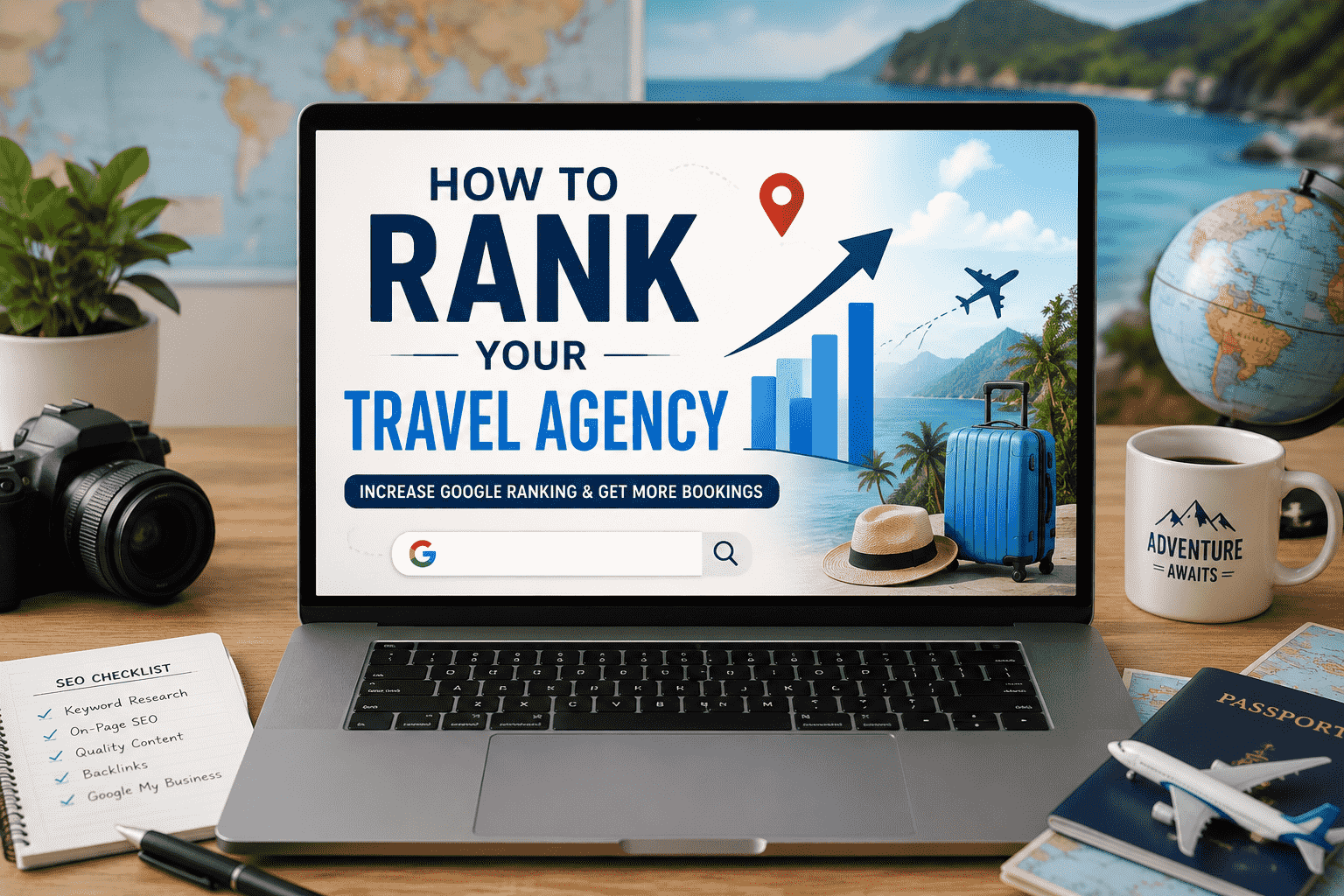
Running a travel business has become more competitive than ever. Travelers no longer depend only on recommendations from friends or offline brochures. Most people begin planning their next trip by searching on Google, comparing agencies, reading reviews, and exploring destinations before making a booking. If your website is not appearing on the first page, you’re likely losing valuable inquiries to competitors. How to Increase Google Ranking is one of the most important questions every travel business owner should understand because stronger visibility directly leads to more qualified leads, higher trust, and consistent bookings.
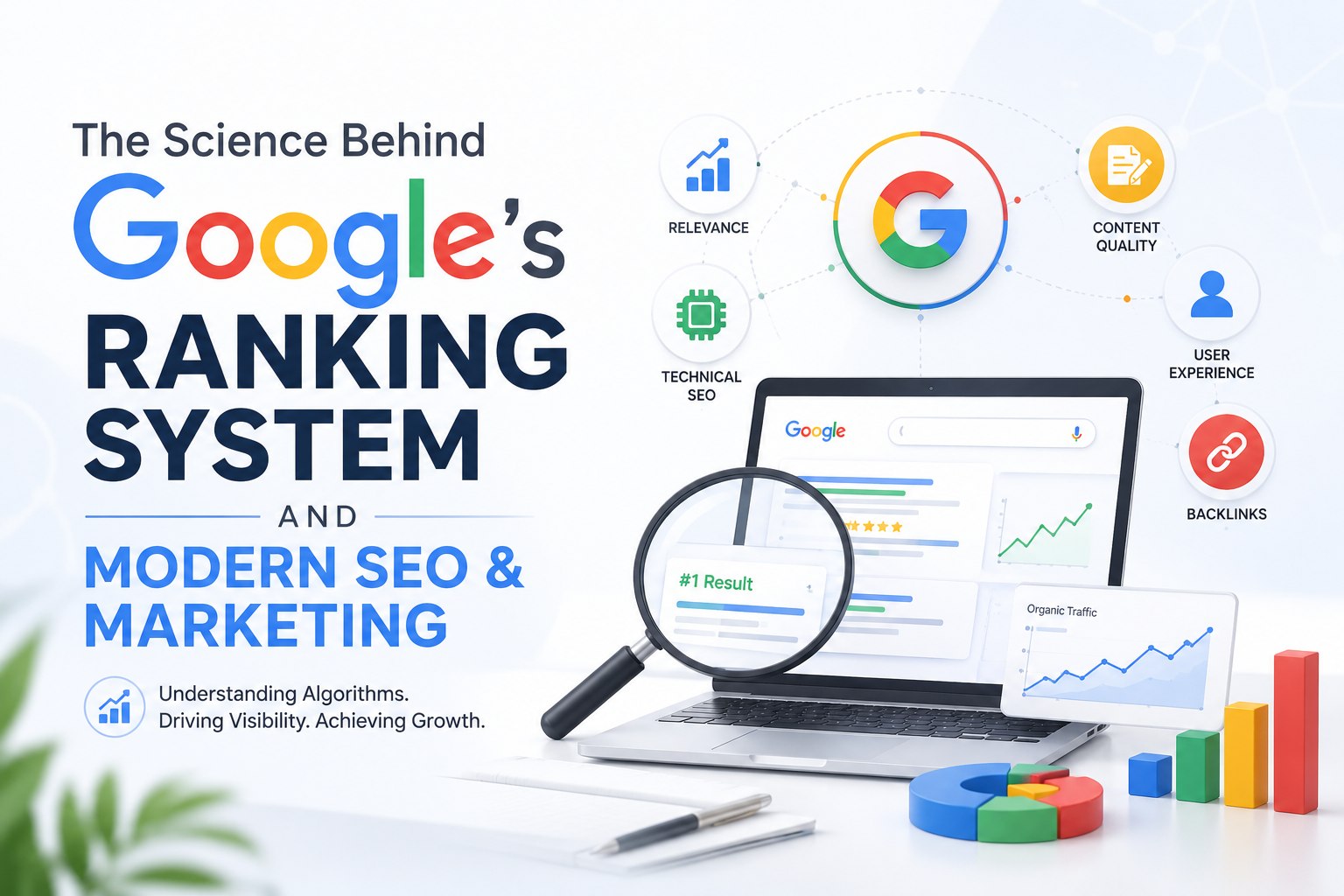
Many travel business owners invest in attractive websites and social media promotions but still struggle to attract organic traffic. The reason is simple—Google ranks websites based on relevance, authority, user experience, and content quality rather than appearance alone. Understanding How to Increase Google Ranking requires a long-term strategy that combines technical improvements, valuable content, and smart optimization. Whether you manage a local travel office or operate international tour packages, improving your search visibility can become one of your most profitable business investments.
Why Google Rankings Matter for Travel Businesses
Travel is one of the most competitive industries online. Thousands of agencies promote similar destinations, packages, and experiences. When someone searches for “family holiday packages,” “honeymoon tours,” or “Europe vacation planner,” Google displays businesses it believes provide the best answers.
Appearing on the first page offers several advantages:
- Increased website traffic from people actively searching for travel services.
- Higher credibility compared to businesses appearing on later pages.
- Better quality leads because visitors already have buying intent.
- Lower dependence on paid advertising for consistent inquiries.
- Long-term visibility that continues generating leads over time.
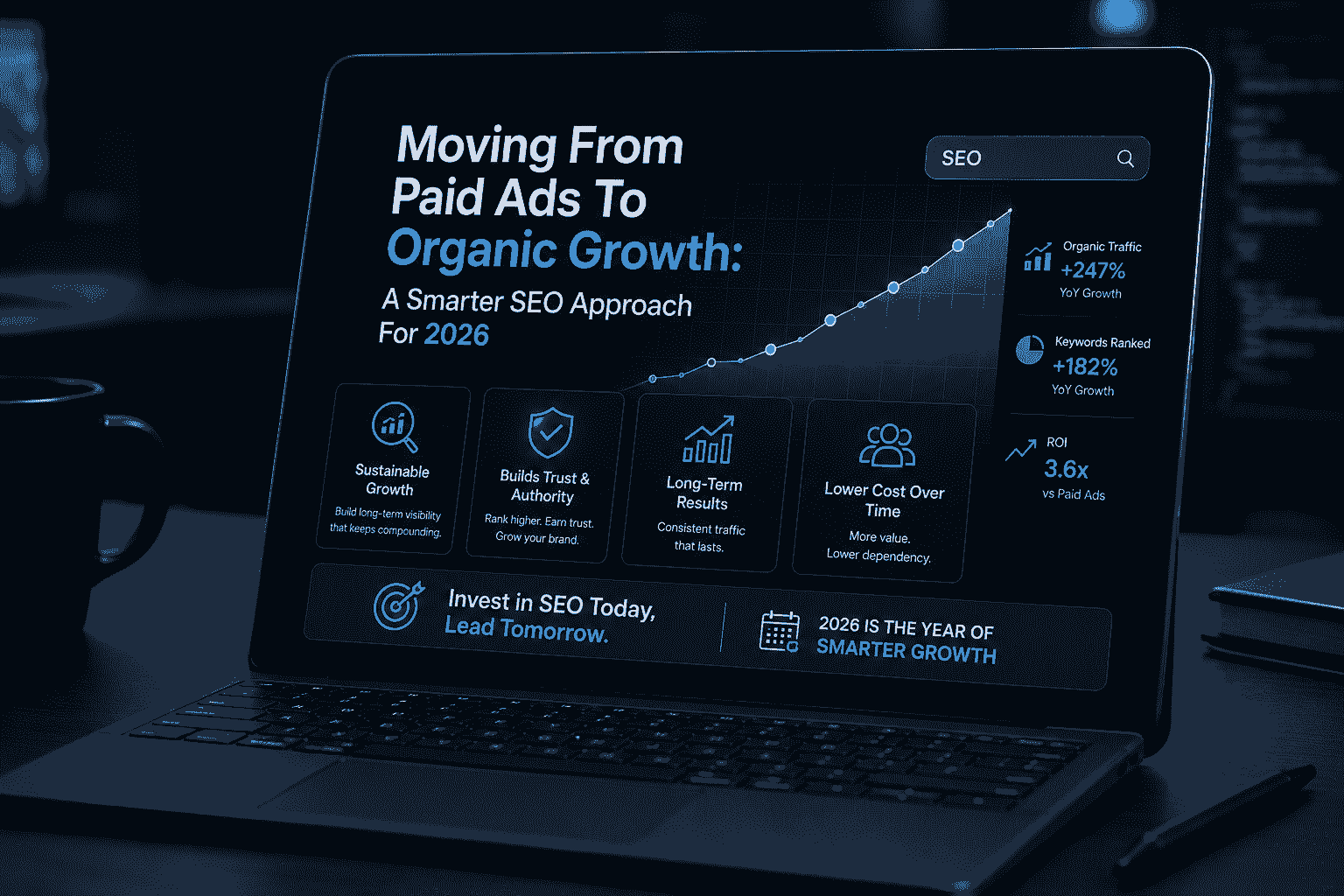
Unlike advertisements that stop producing results when the budget ends, strong organic rankings continue attracting visitors even after content has been published.
Build a Website That Google Can Easily Understand
A well-designed website is only the beginning. Google evaluates how easily it can crawl, understand, and organize your content.
Every important service should have its own dedicated page. Instead of combining every destination on a single page, create detailed pages for each service, destination, or travel experience you offer. This helps search engines understand what your business specializes in while providing visitors with more useful information.
Clear navigation also improves both user experience and search performance. Visitors should be able to move from destinations to packages, blogs, contact pages, and booking information without confusion.
Fast loading speed, mobile responsiveness, secure HTTPS connections, and clean page structures all contribute to stronger search visibility.
Create Helpful Content That Answers Traveler Questions
Google rewards websites that genuinely help users.
Instead of only promoting packages, publish educational content that answers common travel questions before customers contact your agency. Travelers often research destinations, budgets, visa requirements, weather conditions, transportation, safety tips, and itineraries.
Examples include:
- Best time to visit popular destinations
- Visa guides for international travel
- Budget planning tips
- Packing checklists
- Family-friendly travel recommendations
- Seasonal travel advice
Helpful content builds trust while demonstrating expertise. As visitors spend more time reading your articles, Google receives positive signals about your website’s quality.
Optimize Every Page Around Search Intent
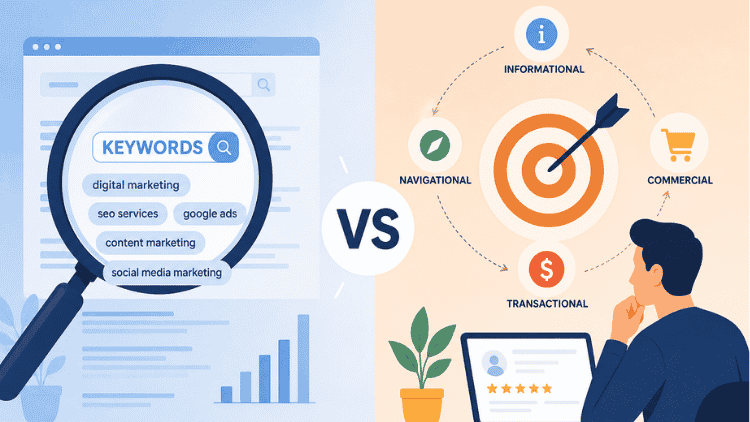
Many businesses focus only on inserting keywords into their content. Modern search optimization goes much deeper.
Every page should match what users actually want to find.
Someone searching for luxury honeymoon packages expects different information than someone researching backpacking destinations. Understanding search intent helps create pages that satisfy visitors immediately.
Effective optimization includes:
- Clear page titles
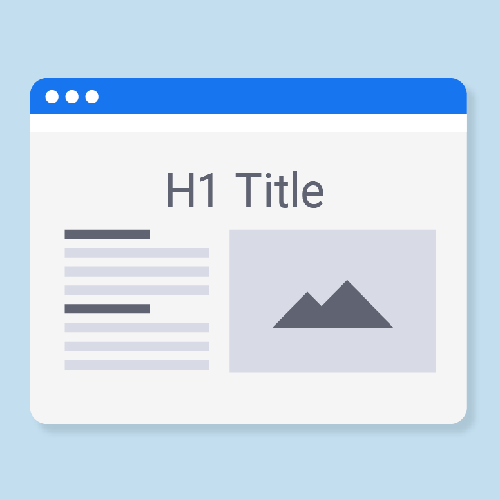
- Logical heading hierarchy
- Descriptive meta descriptions
- Internal links between related pages
- Image optimization
- Natural keyword placement
- Readable content structure
These improvements help both users and search engines understand your content more effectively.
Strengthen Local Visibility
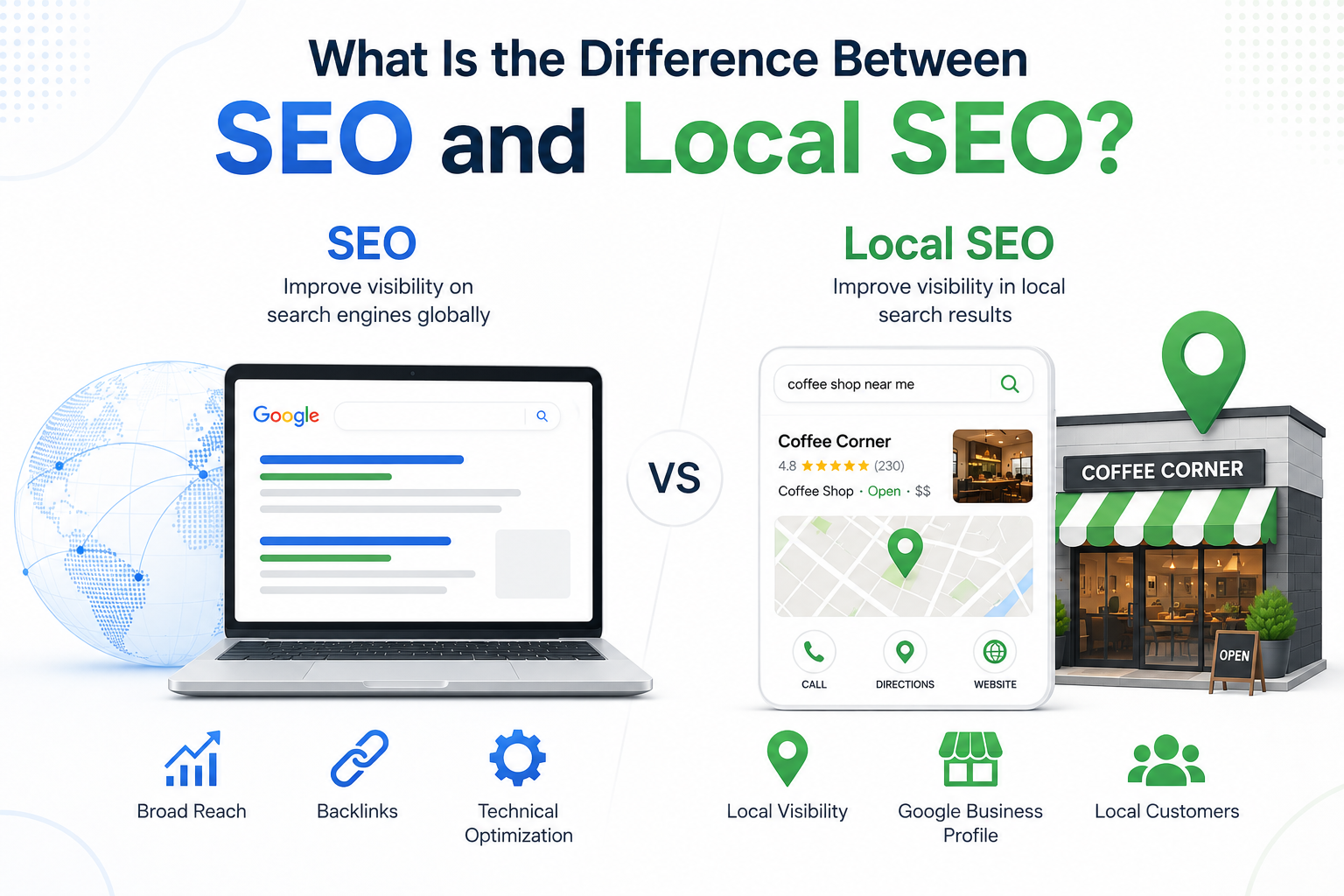
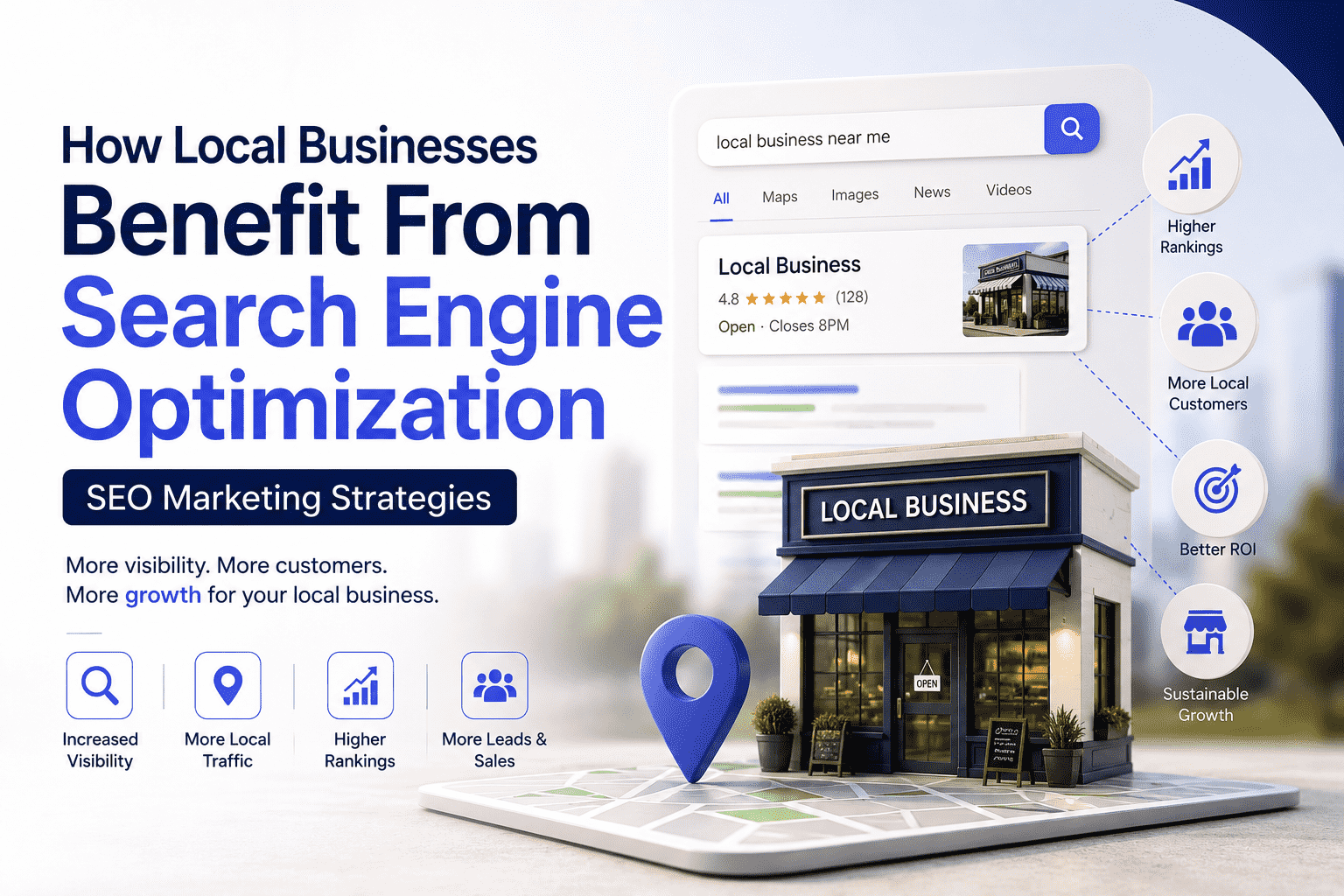
Many travel agencies depend on customers within a specific city or region. Local search optimization plays a major role in attracting nearby clients looking for trusted agencies.
Maintain accurate business information across online directories, encourage satisfied customers to leave reviews, upload updated business photos, and keep your business profile active.
Businesses that invest in Local SEO Services often experience better visibility in location-based searches because Google can verify their credibility and relevance within their target area.
Publish Destination-Specific Landing Pages
One common mistake travel businesses make is placing every destination inside one generic packages page.
Instead, create detailed landing pages dedicated to specific destinations.
For example, separate pages can focus on:
- Bali honeymoon packages
- Dubai family tours
- Europe group vacations
- Thailand adventure trips
- Kashmir holiday packages
Each page should provide original information, suggested itineraries, travel highlights, frequently asked questions, and booking guidance.
Unique destination pages allow Google to rank your website for a wider range of relevant searches.
Build Trust Through Experience and Authority
Travelers invest significant money in vacations, making trust one of the strongest ranking factors indirectly affecting conversions.
Showcase customer testimonials, genuine travel photographs, case studies, certifications, years of experience, partnerships, and transparent contact information.
Adding detailed author information for blogs, updating outdated content, and maintaining accurate business details also strengthen your website’s credibility.
Google increasingly values businesses that demonstrate expertise, experience, authority, and trustworthiness.
Earn High-Quality Backlinks
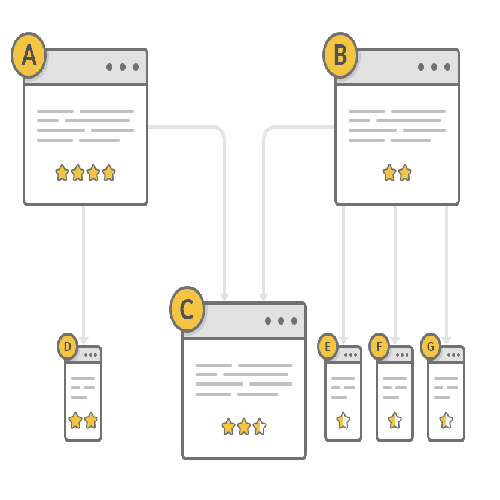
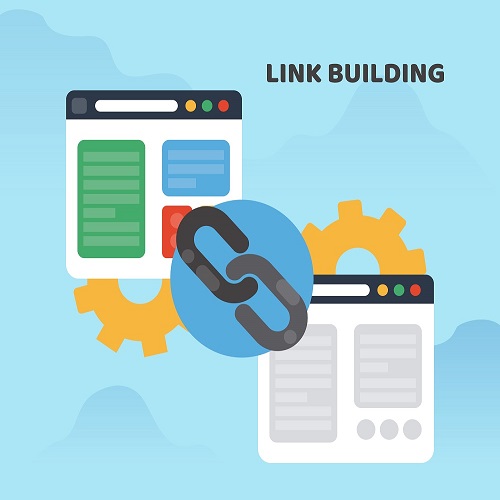
Backlinks remain one of the strongest ranking signals.
Rather than purchasing low-quality links, focus on earning mentions from reputable travel websites, tourism organizations, local business directories, hotels, destination blogs, and industry publications.
You can also publish guest articles, collaborate with tourism boards, participate in travel events, or create valuable resources that other websites naturally reference.
Quality always outweighs quantity when building backlinks.
Improve User Experience Across Every Device
Google wants visitors to enjoy using your website.
If users quickly leave because pages load slowly, navigation is confusing, or booking forms are difficult to complete, rankings can gradually decline.
Pay attention to:
- Mobile usability
- Simple booking forms
- Readable fonts
- Fast image loading
- Clear call-to-action buttons
- Organized page layouts
Even small usability improvements can positively influence visitor engagement and conversion rates.
Measure Performance and Continue Improving
Search optimization is an ongoing process rather than a one-time project.
Monitor important performance indicators such as:
- Organic traffic growth
- Keyword rankings
- Click-through rates
- Average engagement time
- Conversion rates
- Booking inquiries
- High-performing blog pages
Analyzing these insights helps identify which content attracts visitors and where additional improvements are needed.
Businesses that consistently update their websites often outperform competitors that leave their content unchanged for years.
A Long-Term Growth Strategy for Travel Businesses
Sustainable search growth comes from combining multiple marketing efforts instead of relying on a single tactic. While SEO for Travel Agency remains essential for improving organic visibility, many successful businesses also strengthen their online presence through Digital Marketing for Travel Agencies, strategic partnerships with a Travel & Tourism Marketing Agency, specialized Digital Marketing for Tour Operators, professional SEO Services, and a comprehensive Digital Marketing service that supports long-term brand growth across multiple channels.
Ultimately, How to Increase Google Ranking is not about finding shortcuts or temporary tricks. It is about building a website that genuinely helps travelers, answers their questions, provides an outstanding user experience, and consistently demonstrates expertise. Business owners who focus on delivering valuable information while improving technical performance and maintaining high-quality content are far more likely to earn stronger search visibility, attract qualified visitors, and convert those visitors into loyal customers. Over time, this steady approach creates lasting online authority and sustainable business growth.
Running a travel business has become more competitive than ever. Travelers no longer depend only on recommendations from friends or offline brochures. Most people begin planning their next trip by searching on Google, comparing agencies, reading reviews, and exploring destinations before making a booking. If your website is not appearing on the first page, you’re likely losing valuable inquiries to competitors. How to Increase Google Ranking is one of the most important questions every travel business owner should understand because stronger visibility directly leads to more qualified leads, higher trust, and consistent bookings.
Many travel business owners invest in attractive websites and social media promotions but still struggle to attract organic traffic. The reason is simple—Google ranks websites based on relevance, authority, user experience, and content quality rather than appearance alone. Understanding How to Increase Google Ranking requires a long-term strategy that combines technical improvements, valuable content, and smart optimization. Whether you manage a local travel office or operate international tour packages, improving your search visibility can become one of your most profitable business investments.
Why Google Rankings Matter for Travel Businesses
Travel is one of the most competitive industries online. Thousands of agencies promote similar destinations, packages, and experiences. When someone searches for “family holiday packages,” “honeymoon tours,” or “Europe vacation planner,” Google displays businesses it believes provide the best answers.
Appearing on the first page offers several advantages:
- Increased website traffic from people actively searching for travel services.
- Higher credibility compared to businesses appearing on later pages.
- Better quality leads because visitors already have buying intent.
- Lower dependence on paid advertising for consistent inquiries.
- Long-term visibility that continues generating leads over time.
Unlike advertisements that stop producing results when the budget ends, strong organic rankings continue attracting visitors even after content has been published.
Build a Website That Google Can Easily Understand
A well-designed website is only the beginning. Google evaluates how easily it can crawl, understand, and organize your content.
Every important service should have its own dedicated page. Instead of combining every destination on a single page, create detailed pages for each service, destination, or travel experience you offer. This helps search engines understand what your business specializes in while providing visitors with more useful information.
Clear navigation also improves both user experience and search performance. Visitors should be able to move from destinations to packages, blogs, contact pages, and booking information without confusion.
Fast loading speed, mobile responsiveness, secure HTTPS connections, and clean page structures all contribute to stronger search visibility.
Create Helpful Content That Answers Traveler Questions
Google rewards websites that genuinely help users.
Instead of only promoting packages, publish educational content that answers common travel questions before customers contact your agency. Travelers often research destinations, budgets, visa requirements, weather conditions, transportation, safety tips, and itineraries.
Examples include:
- Best time to visit popular destinations
- Visa guides for international travel
- Budget planning tips
- Packing checklists
- Family-friendly travel recommendations
- Seasonal travel advice
Helpful content builds trust while demonstrating expertise. As visitors spend more time reading your articles, Google receives positive signals about your website’s quality.
Optimize Every Page Around Search Intent
Many businesses focus only on inserting keywords into their content. Modern search optimization goes much deeper.
Every page should match what users actually want to find.
Someone searching for luxury honeymoon packages expects different information than someone researching backpacking destinations. Understanding search intent helps create pages that satisfy visitors immediately.
Effective optimization includes:
- Clear page titles
- Logical heading hierarchy
- Descriptive meta descriptions
- Internal links between related pages
- Image optimization
- Natural keyword placement
- Readable content structure
These improvements help both users and search engines understand your content more effectively.
Strengthen Local Visibility
Many travel agencies depend on customers within a specific city or region. Local search optimization plays a major role in attracting nearby clients looking for trusted agencies.
Maintain accurate business information across online directories, encourage satisfied customers to leave reviews, upload updated business photos, and keep your business profile active.
Businesses that invest in Local SEO Services often experience better visibility in location-based searches because Google can verify their credibility and relevance within their target area.
Publish Destination-Specific Landing Pages
One common mistake travel businesses make is placing every destination inside one generic packages page.
Instead, create detailed landing pages dedicated to specific destinations.
For example, separate pages can focus on:
- Bali honeymoon packages
- Dubai family tours
- Europe group vacations
- Thailand adventure trips
- Kashmir holiday packages
Each page should provide original information, suggested itineraries, travel highlights, frequently asked questions, and booking guidance.
Unique destination pages allow Google to rank your website for a wider range of relevant searches.
Build Trust Through Experience and Authority
Travelers invest significant money in vacations, making trust one of the strongest ranking factors indirectly affecting conversions.
Showcase customer testimonials, genuine travel photographs, case studies, certifications, years of experience, partnerships, and transparent contact information.
Adding detailed author information for blogs, updating outdated content, and maintaining accurate business details also strengthen your website’s credibility.
Google increasingly values businesses that demonstrate expertise, experience, authority, and trustworthiness.
Earn High-Quality Backlinks
Backlinks remain one of the strongest ranking signals.
Rather than purchasing low-quality links, focus on earning mentions from reputable travel websites, tourism organizations, local business directories, hotels, destination blogs, and industry publications.
You can also publish guest articles, collaborate with tourism boards, participate in travel events, or create valuable resources that other websites naturally reference.
Quality always outweighs quantity when building backlinks.
Improve User Experience Across Every Device
Google wants visitors to enjoy using your website.
If users quickly leave because pages load slowly, navigation is confusing, or booking forms are difficult to complete, rankings can gradually decline.
Pay attention to:
- Mobile usability
- Simple booking forms
- Readable fonts
- Fast image loading
- Clear call-to-action buttons
- Organized page layouts
Even small usability improvements can positively influence visitor engagement and conversion rates.
Measure Performance and Continue Improving
Search optimization is an ongoing process rather than a one-time project.
Monitor important performance indicators such as:
- Organic traffic growth
- Keyword rankings
- Click-through rates
- Average engagement time
- Conversion rates
- Booking inquiries
- High-performing blog pages
Analyzing these insights helps identify which content attracts visitors and where additional improvements are needed.
Businesses that consistently update their websites often outperform competitors that leave their content unchanged for years.
A Long-Term Growth Strategy for Travel Businesses
Sustainable search growth comes from combining multiple marketing efforts instead of relying on a single tactic. While SEO for Travel Agency remains essential for improving organic visibility, many successful businesses also strengthen their online presence through Digital Marketing for Travel Agencies, strategic partnerships with a Travel & Tourism Marketing Agency, specialized Digital Marketing for Tour Operators, professional SEO Services, and a comprehensive Digital Marketing service that supports long-term brand growth across multiple channels.
Ultimately, How to Increase Google Ranking is not about finding shortcuts or temporary tricks. It is about building a website that genuinely helps travelers, answers their questions, provides an outstanding user experience, and consistently demonstrates expertise. Business owners who focus on delivering valuable information while improving technical performance and maintaining high-quality content are far more likely to earn stronger search visibility, attract qualified visitors, and convert those visitors into loyal customers. Over time, this steady approach creates lasting online authority and sustainable business growth.