
Contact Us
Related Posts




















Categories

The “Ten Blue Links” are officially a relic of the past. As we move through 2026, the search landscape has shifted from a directory of websites to an engine of synthesis. Google’s Search Generative Experience (SGE) doesn’t just point people to information; it consumes, understands, and summarizes it.
For brand owners and marketers, this change feels like a threat to organic traffic. But if you look closer, it’s actually a filter—removing “window shoppers” and sending you users who are deeply informed and ready to take action.
What is SGE? (And Why Traditional SEO is Failing)
SGE uses generative AI to provide a comprehensive answer to a user’s query directly at the top of the search results. If a user asks a complex question, the AI pulls “snapshots” from high-authority sources to build a response.
If your content is a generic “Top 10” list with no unique insight, the AI will summarize it, and the user will never click your link. To win in 2026, your website must provide Information Gain—details, data, or perspectives that the AI cannot find elsewhere.
Case Study: Optimizing for High-Intent Keywords
To understand how to pivot, let’s look at a competitive, high-trust sector. Suppose you are optimizing for the phrase online therapy India.
In 2024, you would have focused on keyword density and backlinks. In 2026, the AI snapshot for this query looks at:
-
Credibility: Is the content written or reviewed by a certified professional?
-
Specificity: Does the page answer niche questions about local regulations or specific regional languages in India?
-
User Sentiment: Are the reviews and testimonials cited in the content authentic?
By focusing on these “human” elements, you aren’t just ranking for a keyword; you are becoming the preferred source for the AI’s snapshot.
5 Strategies to Future-Proof Your Content
1. Focus on “Entity” Authority
Google no longer just looks at words; it looks at entities (People, Places, Things). To be seen as an authority in your niche, your content needs to connect the dots. If you are writing about digital growth, don’t just give tips—link your insights to real-world results.
2. The Power of “Personal Experience” (E-E-A-T)
AI can aggregate facts, but it cannot “experience” things. Content that includes phrases like “In our experience working with Indian startups…” or “What we discovered during our latest audit…” is highly valued. This “first-hand” evidence is a primary signal Google uses to distinguish human expertise from AI-generated fluff.
3. Structural Data is the New Meta Tag
While focus keywords are still relevant for indexing, Schema Markup is the language the AI speaks fluently. By using advanced Schema, you are essentially “feeding” the AI organized data, making it much easier for your site to be cited as the source for a generative snapshot.
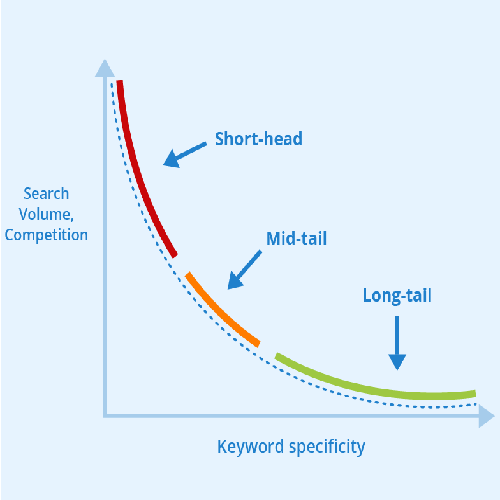
4. Optimize for “Long-Tail” Conversational Queries
Users are no longer typing “SEO Agency.” They are asking, “How can a mid-sized business in India improve its organic reach without a massive ad budget?” Your content should be structured to answer these specific, conversational problems.
Why Strategy Matters: The OMR Digital Advantage
Navigating these shifts isn’t something you can do with a “set it and forget it” mindset. It requires constant monitoring of how AI models are interpreting your brand’s data.
We bridge the gap between technical complexity and creative storytelling. The strategies developed at OMR Digital are designed not just to keep you on the map, but to ensure your brand is the “voice” that the AI chooses to highlight. From technical audits to high-concept content creation, we ensure your digital presence is built for the future of search.
Final Thoughts: The Human-Centric Future
The rise of AI search is actually a return to quality. The “tricks” of the past, keyword stuffing and thin content no longer work because the AI is too smart to be fooled.
If you provide genuine value, answer difficult questions, and maintain high technical standards, your traffic won’t just stay steady, it will become more qualified. The goal in 2026 isn’t to be everywhere; it’s to be the most trusted answer when it matters most.