Contact Us

Services

Related Posts

Categories

Smarter SEO Approach

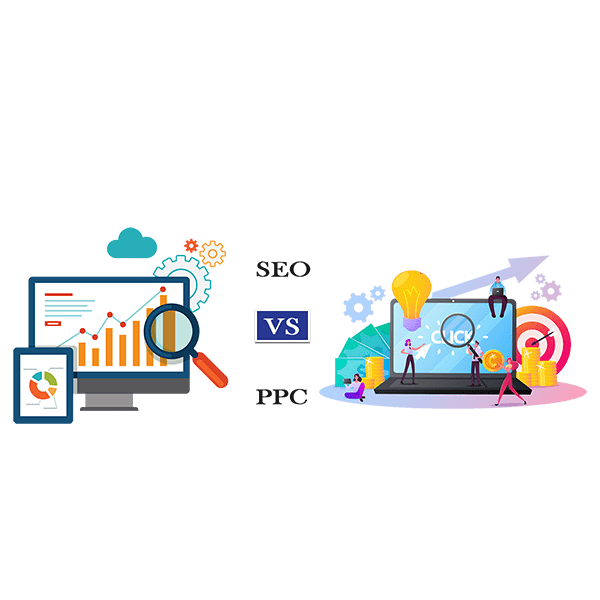
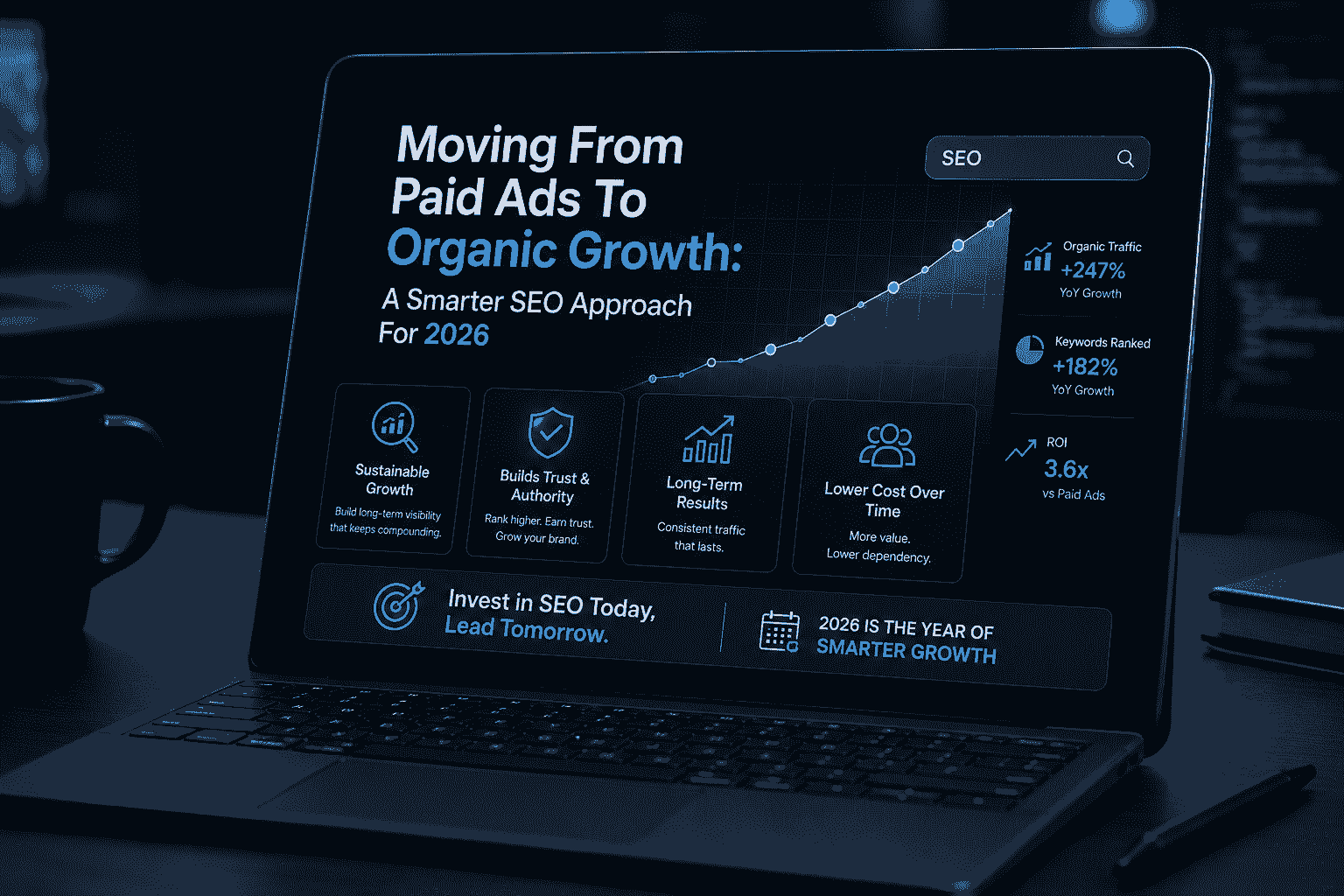
In 2026, the digital marketing landscape is undergoing a noticeable shift in priorities. Businesses are no longer satisfied with short bursts of traffic that disappear the moment advertising budgets are paused. Instead, there is a growing emphasis on building sustainable visibility, long-term authority, and consistent inbound demand. This change has led to a clear transition from short-term paid strategies toward more stable organic growth models, often described as a move from Paid Ads to Organic Growth.

What’s driving this shift is not just changing marketing preferences, but also rising advertising costs, increased competition, and evolving user behavior. Consumers today are more selective, more informed, and more likely to trust organic search results over ads. As a result, brands are rethinking how they allocate their marketing budgets and where they invest their long-term efforts.

Why Long-Term Visibility Matters More Than Ever 

One of the biggest reasons businesses are moving away from purely paid strategies is the need for sustainability. Paid campaigns can generate traffic instantly, but that traffic disappears the moment the budget stops. This creates dependency, where growth is directly tied to spending rather than performance.

Organic visibility, however, continues to generate value over time. Once a website starts ranking for relevant search terms, it can attract users consistently without additional cost per click. This makes it a far more stable and scalable approach in the long run.

To achieve this kind of stability, many businesses rely on structured SEO Services that focus on improving rankings, optimizing content, and building authority across search engines. Unlike paid ads, SEO does not deliver instant results, but it creates a compounding effect that strengthens over time.

The Limitations Of Purely Paid Strategies 

Paid advertising still plays an important role in digital marketing, but relying on it exclusively has become increasingly challenging. Rising competition has significantly increased cost-per-click across most industries. At the same time, user attention is fragmented across multiple platforms, making it harder to maintain consistent performance.

Another limitation is the temporary nature of paid traffic. Once campaigns stop, visibility drops immediately, which can disrupt lead flow and revenue consistency. This is especially difficult for small and mid-sized businesses that operate with limited budgets.

While PPC Services can help brands achieve immediate visibility and quick conversions, they are best used as part of a broader strategy rather than a standalone growth model. Overdependence on paid campaigns often leads to fluctuating results and unstable long-term performance.

Building Sustainable Growth Through SEO 

Search engine optimization has become the backbone of long-term digital strategy. Unlike paid ads, SEO focuses on earning visibility rather than buying it. This shift in approach changes how businesses think about content, authority, and user intent.

Modern SEO is no longer just about keywords. It involves understanding user behavior, creating meaningful content, improving technical performance, and building trust signals across the web. Businesses investing in SEO Services are now prioritizing long-term authority over short-term rankings.

For example, instead of targeting only high-volume keywords, brands are focusing on search intent and topic clusters. This helps them attract more qualified traffic that is actually interested in their products or services, leading to better conversion rates over time.

The Rise Of AI-Driven Search Experiences 

Search engines are no longer just listing websites – they are increasingly providing direct answers through AI-generated summaries. This shift is changing how users interact with search results and how businesses need to optimize their content.

Instead of only ranking on traditional search engine result pages, brands now need to appear in AI-generated responses as well. This is where optimization strategies are evolving beyond traditional SEO.

Answer Engine Optimization Services are becoming increasingly important in this context. They focus on structuring content in a way that makes it easier for AI systems to understand, extract, and present as direct answers. This includes improving clarity, semantic relevance, and content structure so that brands remain visible even in zero-click search environments.

Why SEO Complexity Is Increasing 

As search engines evolve, so does the complexity of optimization. Ranking today requires a combination of technical expertise, content strategy, backlink building, and continuous performance tracking.

Not every business has the resources or expertise to manage this in-house. That’s why many organizations are turning to SEO Outsourcing Services to handle their organic growth efforts. Outsourcing allows businesses to access specialized knowledge, advanced tools, and scalable execution without building large internal teams.

This approach also ensures that SEO strategies remain updated with algorithm changes and industry trends, which are constantly evolving in today’s digital ecosystem.

The Role Of Paid Campaigns In a Hybrid Strategy 

Even though organic growth is becoming the long-term priority, paid advertising still has an important role in modern marketing ecosystems. It is particularly useful for testing, validation, and quick scaling.

Businesses often use Performance Marketing Services to measure and optimize every stage of the customer journey. Unlike traditional marketing, performance-based strategies focus on measurable outcomes such as conversions, leads, and revenue rather than just impressions or reach.

This data-driven approach helps brands identify what works quickly, refine their messaging, and then apply those insights to their organic strategies for better long-term results.

Supporting Growth For Smaller Businesses 

The shift toward organic growth is especially beneficial for smaller businesses that operate with limited marketing budgets. Competing directly with large-scale advertisers through paid campaigns alone can be financially challenging and often unsustainable.

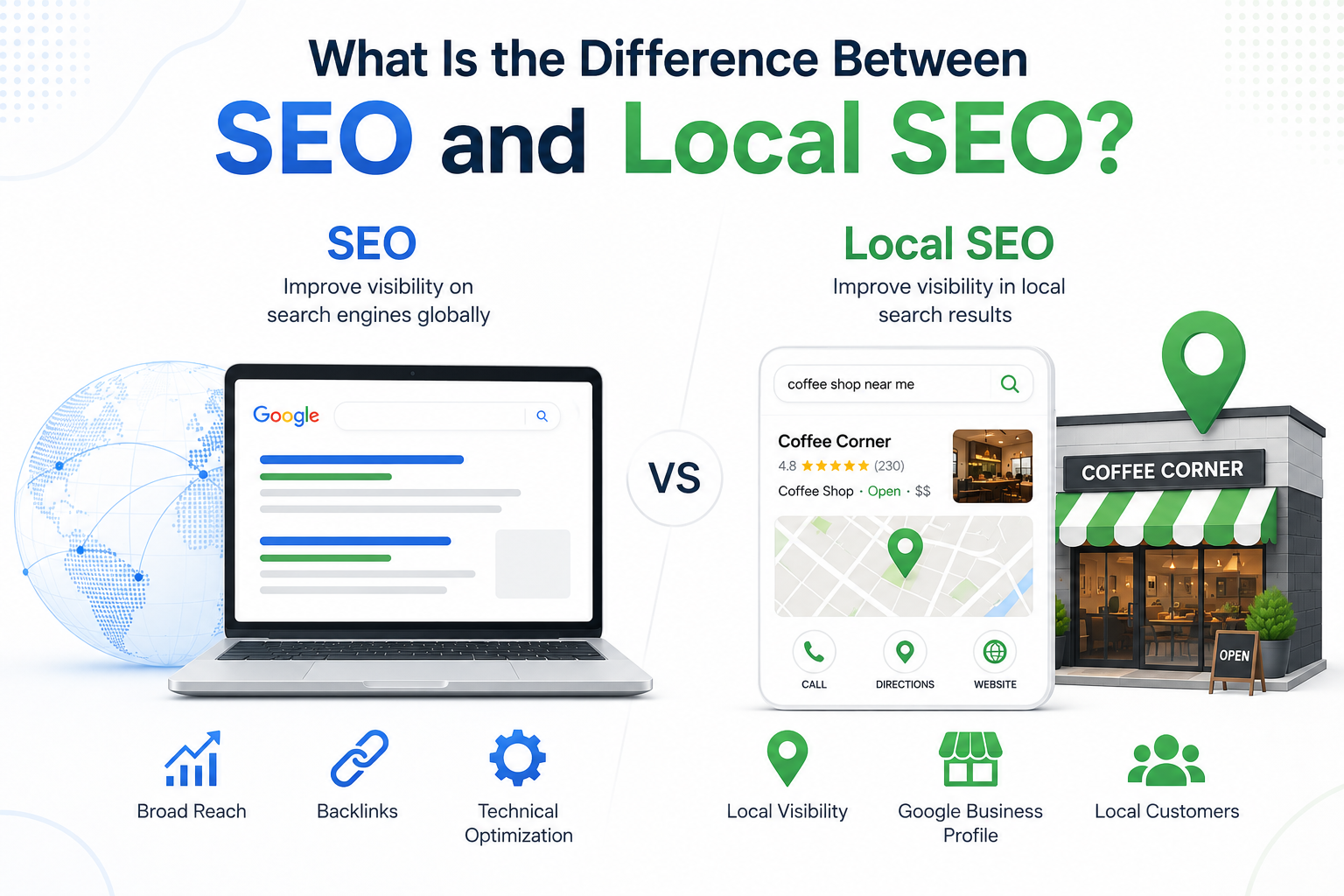
Through Digital Marketing for Small Businesses, smaller brands can build visibility gradually by focusing on niche targeting, local SEO, and content-driven strategies. This allows them to compete more effectively without relying heavily on large advertising budgets.

Organic growth also helps smaller businesses establish trust and credibility, which is often more valuable than short-term traffic spikes generated by ads.

Content As The Core Of Organic Strategy 

Content has become the foundation of every successful organic strategy. High-quality content not only improves search rankings but also builds trust and authority with users.

Modern content strategies focus on solving user problems, answering questions clearly, and providing in-depth value. This aligns closely with how search engines evaluate relevance and quality.

Instead of producing large volumes of generic content, businesses are now prioritizing depth, accuracy, and intent alignment. This shift has made content marketing one of the most important drivers of long-term organic growth.

Technical Optimization And User Experience 

Beyond content, technical performance plays a crucial role in organic success. Website speed, mobile responsiveness, structured data, and clean site architecture all influence search rankings.

Search engines increasingly prioritize user experience as a ranking factor. Websites that load faster, are easier to navigate, and provide clear information tend to perform better in organic search results.

This means businesses must not only focus on what they publish but also how their websites function at a technical level.

Integrating Paid And Organic Strategies Effectively 

The most effective digital strategies in 2026 are not purely organic or purely paid – they are hybrid models that combine both approaches strategically.

Paid campaigns are used for testing keywords, validating audience segments, and generating immediate traffic. Organic strategies are then used to build long-term authority and reduce dependency on paid acquisition.

This balance ensures that businesses maintain short-term visibility while building long-term sustainability.

How The Transition Should Be Approached 

Moving from a paid-heavy strategy to an organic-first model requires careful planning. Businesses need to gradually shift focus rather than making abrupt changes that could disrupt traffic or revenue.

The transition typically involves improving content quality, strengthening SEO foundations, optimizing website performance, and gradually reallocating budget from ads to organic initiatives.

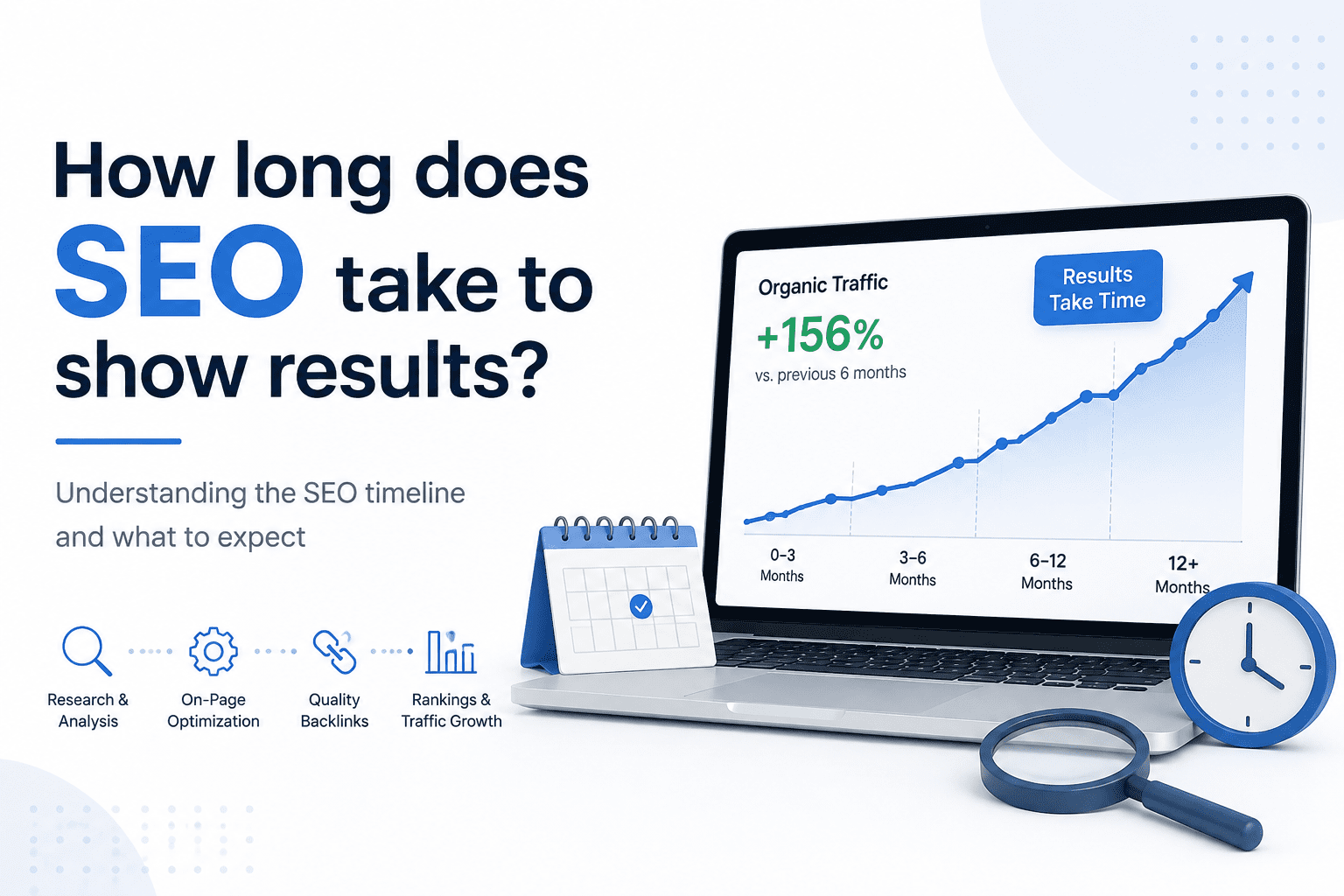
It also requires patience, as organic growth takes time to show results but delivers far more stable returns in the long run.

Final Thoughts On The Future Of Growth Strategies 

The evolution of digital marketing clearly shows that businesses can no longer rely solely on paid advertising for sustainable growth. While ads will always remain useful for short-term goals, long-term success depends on building strong organic foundations. This is exactly where the shift from Paid Ads to Organic Growth becomes more important than ever.

Brands that invest in SEO, adapt to AI-driven search experiences, and balance paid and organic efforts strategically will be better positioned for long-term success.

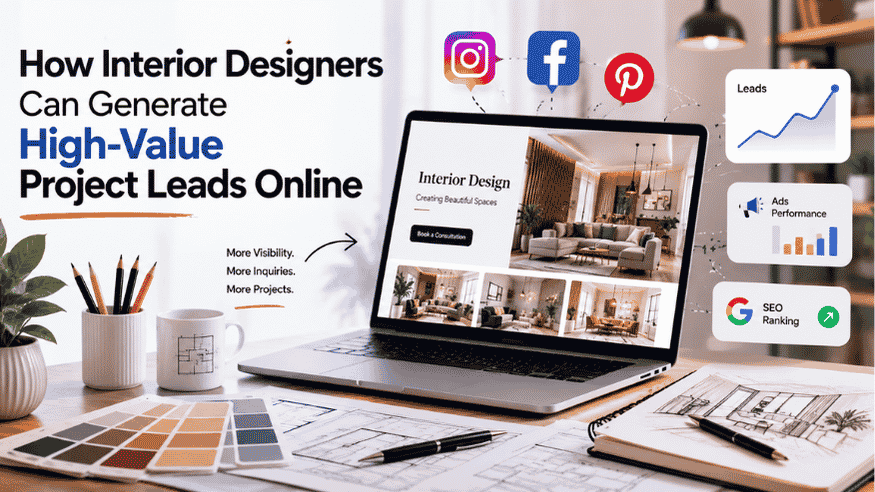
Interior Designers lead generationHow Interior Designers Can Generate High-Value Project Leads Online
Smarter SEO Approach

In 2026, the digital marketing landscape is undergoing a noticeable shift in priorities. Businesses are no longer satisfied with short bursts of traffic that disappear the moment advertising budgets are paused. Instead, there is a growing emphasis on building sustainable visibility, long-term authority, and consistent inbound demand. This change has led to a clear transition from short-term paid strategies toward more stable organic growth models, often described as a move from Paid Ads to Organic Growth.

What’s driving this shift is not just changing marketing preferences, but also rising advertising costs, increased competition, and evolving user behavior. Consumers today are more selective, more informed, and more likely to trust organic search results over ads. As a result, brands are rethinking how they allocate their marketing budgets and where they invest their long-term efforts.

Why Long-Term Visibility Matters More Than Ever 

One of the biggest reasons businesses are moving away from purely paid strategies is the need for sustainability. Paid campaigns can generate traffic instantly, but that traffic disappears the moment the budget stops. This creates dependency, where growth is directly tied to spending rather than performance.

Organic visibility, however, continues to generate value over time. Once a website starts ranking for relevant search terms, it can attract users consistently without additional cost per click. This makes it a far more stable and scalable approach in the long run.

To achieve this kind of stability, many businesses rely on structured SEO Services that focus on improving rankings, optimizing content, and building authority across search engines. Unlike paid ads, SEO does not deliver instant results, but it creates a compounding effect that strengthens over time.

The Limitations Of Purely Paid Strategies 

Paid advertising still plays an important role in digital marketing, but relying on it exclusively has become increasingly challenging. Rising competition has significantly increased cost-per-click across most industries. At the same time, user attention is fragmented across multiple platforms, making it harder to maintain consistent performance.

Another limitation is the temporary nature of paid traffic. Once campaigns stop, visibility drops immediately, which can disrupt lead flow and revenue consistency. This is especially difficult for small and mid-sized businesses that operate with limited budgets.

While PPC Services can help brands achieve immediate visibility and quick conversions, they are best used as part of a broader strategy rather than a standalone growth model. Overdependence on paid campaigns often leads to fluctuating results and unstable long-term performance.

Building Sustainable Growth Through SEO 

Search engine optimization has become the backbone of long-term digital strategy. Unlike paid ads, SEO focuses on earning visibility rather than buying it. This shift in approach changes how businesses think about content, authority, and user intent.

Modern SEO is no longer just about keywords. It involves understanding user behavior, creating meaningful content, improving technical performance, and building trust signals across the web. Businesses investing in SEO Services are now prioritizing long-term authority over short-term rankings.

For example, instead of targeting only high-volume keywords, brands are focusing on search intent and topic clusters. This helps them attract more qualified traffic that is actually interested in their products or services, leading to better conversion rates over time.

The Rise Of AI-Driven Search Experiences 

Search engines are no longer just listing websites – they are increasingly providing direct answers through AI-generated summaries. This shift is changing how users interact with search results and how businesses need to optimize their content.

Instead of only ranking on traditional search engine result pages, brands now need to appear in AI-generated responses as well. This is where optimization strategies are evolving beyond traditional SEO.

Answer Engine Optimization Services are becoming increasingly important in this context. They focus on structuring content in a way that makes it easier for AI systems to understand, extract, and present as direct answers. This includes improving clarity, semantic relevance, and content structure so that brands remain visible even in zero-click search environments.

Why SEO Complexity Is Increasing 

As search engines evolve, so does the complexity of optimization. Ranking today requires a combination of technical expertise, content strategy, backlink building, and continuous performance tracking.

Not every business has the resources or expertise to manage this in-house. That’s why many organizations are turning to SEO Outsourcing Services to handle their organic growth efforts. Outsourcing allows businesses to access specialized knowledge, advanced tools, and scalable execution without building large internal teams.

This approach also ensures that SEO strategies remain updated with algorithm changes and industry trends, which are constantly evolving in today’s digital ecosystem.

The Role Of Paid Campaigns In a Hybrid Strategy 

Even though organic growth is becoming the long-term priority, paid advertising still has an important role in modern marketing ecosystems. It is particularly useful for testing, validation, and quick scaling.

Businesses often use Performance Marketing Services to measure and optimize every stage of the customer journey. Unlike traditional marketing, performance-based strategies focus on measurable outcomes such as conversions, leads, and revenue rather than just impressions or reach.

This data-driven approach helps brands identify what works quickly, refine their messaging, and then apply those insights to their organic strategies for better long-term results.

Supporting Growth For Smaller Businesses 

The shift toward organic growth is especially beneficial for smaller businesses that operate with limited marketing budgets. Competing directly with large-scale advertisers through paid campaigns alone can be financially challenging and often unsustainable.

Through Digital Marketing for Small Businesses, smaller brands can build visibility gradually by focusing on niche targeting, local SEO, and content-driven strategies. This allows them to compete more effectively without relying heavily on large advertising budgets.

Organic growth also helps smaller businesses establish trust and credibility, which is often more valuable than short-term traffic spikes generated by ads.

Content As The Core Of Organic Strategy 

Content has become the foundation of every successful organic strategy. High-quality content not only improves search rankings but also builds trust and authority with users.

Modern content strategies focus on solving user problems, answering questions clearly, and providing in-depth value. This aligns closely with how search engines evaluate relevance and quality.

Instead of producing large volumes of generic content, businesses are now prioritizing depth, accuracy, and intent alignment. This shift has made content marketing one of the most important drivers of long-term organic growth.

Technical Optimization And User Experience 

Beyond content, technical performance plays a crucial role in organic success. Website speed, mobile responsiveness, structured data, and clean site architecture all influence search rankings.

Search engines increasingly prioritize user experience as a ranking factor. Websites that load faster, are easier to navigate, and provide clear information tend to perform better in organic search results.

This means businesses must not only focus on what they publish but also how their websites function at a technical level.

Integrating Paid And Organic Strategies Effectively 

The most effective digital strategies in 2026 are not purely organic or purely paid – they are hybrid models that combine both approaches strategically.

Paid campaigns are used for testing keywords, validating audience segments, and generating immediate traffic. Organic strategies are then used to build long-term authority and reduce dependency on paid acquisition.

This balance ensures that businesses maintain short-term visibility while building long-term sustainability.

How The Transition Should Be Approached 

Moving from a paid-heavy strategy to an organic-first model requires careful planning. Businesses need to gradually shift focus rather than making abrupt changes that could disrupt traffic or revenue.

The transition typically involves improving content quality, strengthening SEO foundations, optimizing website performance, and gradually reallocating budget from ads to organic initiatives.

It also requires patience, as organic growth takes time to show results but delivers far more stable returns in the long run.

Final Thoughts On The Future Of Growth Strategies 

The evolution of digital marketing clearly shows that businesses can no longer rely solely on paid advertising for sustainable growth. While ads will always remain useful for short-term goals, long-term success depends on building strong organic foundations. This is exactly where the shift from Paid Ads to Organic Growth becomes more important than ever.

Brands that invest in SEO, adapt to AI-driven search experiences, and balance paid and organic efforts strategically will be better positioned for long-term success.

Contact Us

Services

Related Posts

Category