
Contact Us
Related Posts


































Categories
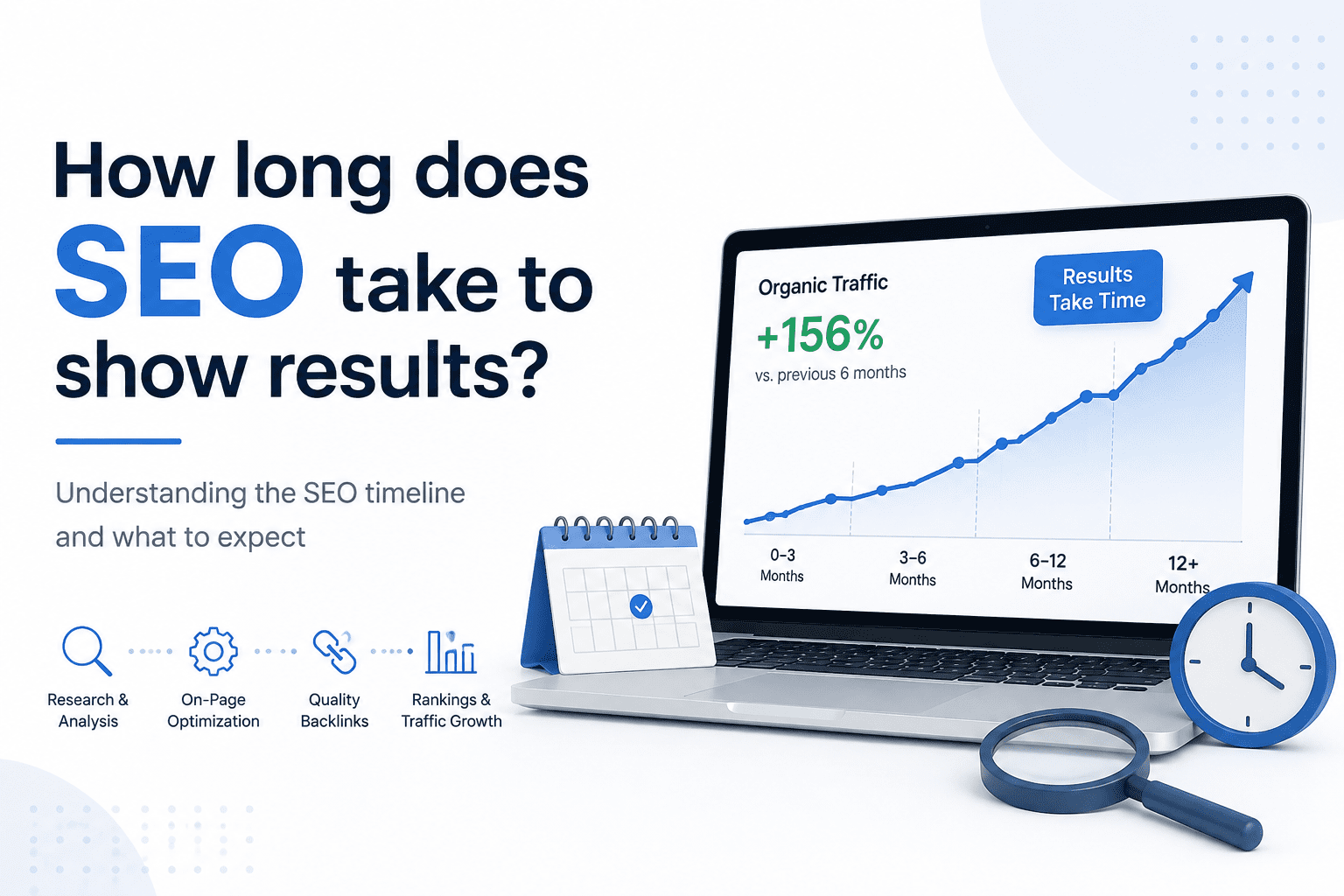
When businesses invest in digital marketing, one of the first questions they ask is How Long Does SEO Take to deliver measurable results. It’s a fair question because SEO requires time, planning, and continuous improvement rather than offering overnight success.
Unlike paid advertising that can generate traffic immediately, search engine optimization works by gradually building your website’s authority, improving relevance, and earning trust from search engines. Understanding the timeline behind How Long Does SEO Take helps set realistic expectations and allows businesses to focus on sustainable growth instead of chasing instant rankings.
Why SEO Doesn’t Produce Instant Results
Search engines evaluate thousands of websites every day using hundreds of ranking factors. Every page must prove that it deserves a higher position by offering valuable content, a good user experience, technical stability, and trustworthy backlinks.
When you publish or optimize content, search engines first need to discover it, crawl it, understand its relevance, compare it with competing pages, and then decide where it belongs in search results. This entire process naturally takes time.
Several factors influence the speed of SEO growth, including:
- Website age and authority
- Competition within your industry
- Technical health of the website
- Content quality and relevance
- Internal linking structure
- User engagement signals
- Backlink profile
- Frequency of updates
Because every website starts from a different position, there is no universal timeline that applies to everyone.
Typical SEO Timeline You Can Expect
Although every project is different, most websites experience SEO growth in stages rather than all at once.
First Month: Building the Foundation
The initial phase focuses on understanding your website’s current performance. Technical audits identify issues that prevent search engines from properly crawling pages. Keyword research helps define opportunities, while existing content is evaluated for improvements.
This is also the stage where professionals offering SEO services create a long-term optimization strategy instead of chasing temporary ranking gains. Businesses often benefit from following a structured Regional SEO Guide when targeting audiences across multiple locations, ensuring every region receives relevant optimization without creating duplicate content.
During this period, rankings may remain relatively unchanged because search engines are still processing improvements.
Months Two to Three: Early Signs of Progress
Once technical improvements and optimized content are indexed, websites often begin noticing encouraging changes.
These may include:
- More keywords appearing in search results
- Increased impressions
- Higher click-through rates
- Better crawl efficiency
- Small improvements in rankings
- Steady organic traffic growth
Although dramatic increases are uncommon at this stage, these indicators show that the optimization strategy is moving in the right direction.
Businesses that consistently publish useful content usually experience stronger momentum than those making only occasional updates.
Months Four to Six: Noticeable Growth
For many websites, this is when SEO efforts begin becoming visible.
Pages targeting valuable search queries often move onto the first few pages of Google, while some lower-competition keywords may even reach the first page. Organic traffic generally becomes more consistent, and businesses start receiving qualified visitors who are genuinely interested in their products or services.
Conversion rates may also improve because optimized pages better match user intent. Search engines reward websites that consistently provide valuable information and maintain a positive user experience.
However, highly competitive industries may still require additional time before reaching top positions.
Beyond Six Months: Long-Term Momentum
SEO is not a campaign that ends after a few months. Instead, it becomes an ongoing process of refinement and growth.
As authority increases, websites typically find it easier to rank new content. Existing pages continue attracting visitors, and overall domain trust strengthens over time.
Businesses that maintain consistent optimization often see compounding returns, where every new improvement builds upon previous efforts.
This long-term momentum is one of the biggest advantages of SEO compared to short-lived marketing tactics.
Factors That Can Speed Up or Slow Down Results
No two SEO journeys are identical because every website faces different challenges.
A well-established website with strong authority may respond much faster than a newly launched business website. Similarly, ranking for niche keywords is usually easier than competing against major national brands.
Content quality also plays a major role. Search engines increasingly prioritize pages that answer questions thoroughly, demonstrate expertise, and satisfy user intent.
Technical issues such as slow loading speed, poor mobile usability, broken links, or indexing problems can delay progress significantly.
Competition is another important consideration. If dozens of established websites already dominate your target keywords, climbing the rankings naturally requires more effort and patience.
Common Misconceptions About SEO Timelines
Many businesses become discouraged because they expect dramatic improvements within a few weeks. In reality, SEO rewards consistency rather than shortcuts.
One common misconception is that publishing dozens of articles immediately guarantees rankings. Search engines value quality, relevance, and authority more than content volume.
Another misunderstanding is believing backlinks alone solve every ranking problem. While backlinks remain valuable, they work best when combined with strong technical SEO, helpful content, and an excellent user experience.
Businesses should also avoid expecting every page to rank equally fast. Some topics naturally gain visibility sooner than highly competitive keywords.
Patience combined with continuous optimization almost always outperforms rushed tactics.
Can SEO Be Accelerated?
While no one can guarantee instant rankings, certain practices help maximize progress.
Publishing content consistently keeps websites active and provides search engines with more opportunities to discover valuable information.
Regular technical maintenance ensures websites remain fast, secure, and easy to crawl. Updating older content also helps maintain relevance as user expectations evolve.
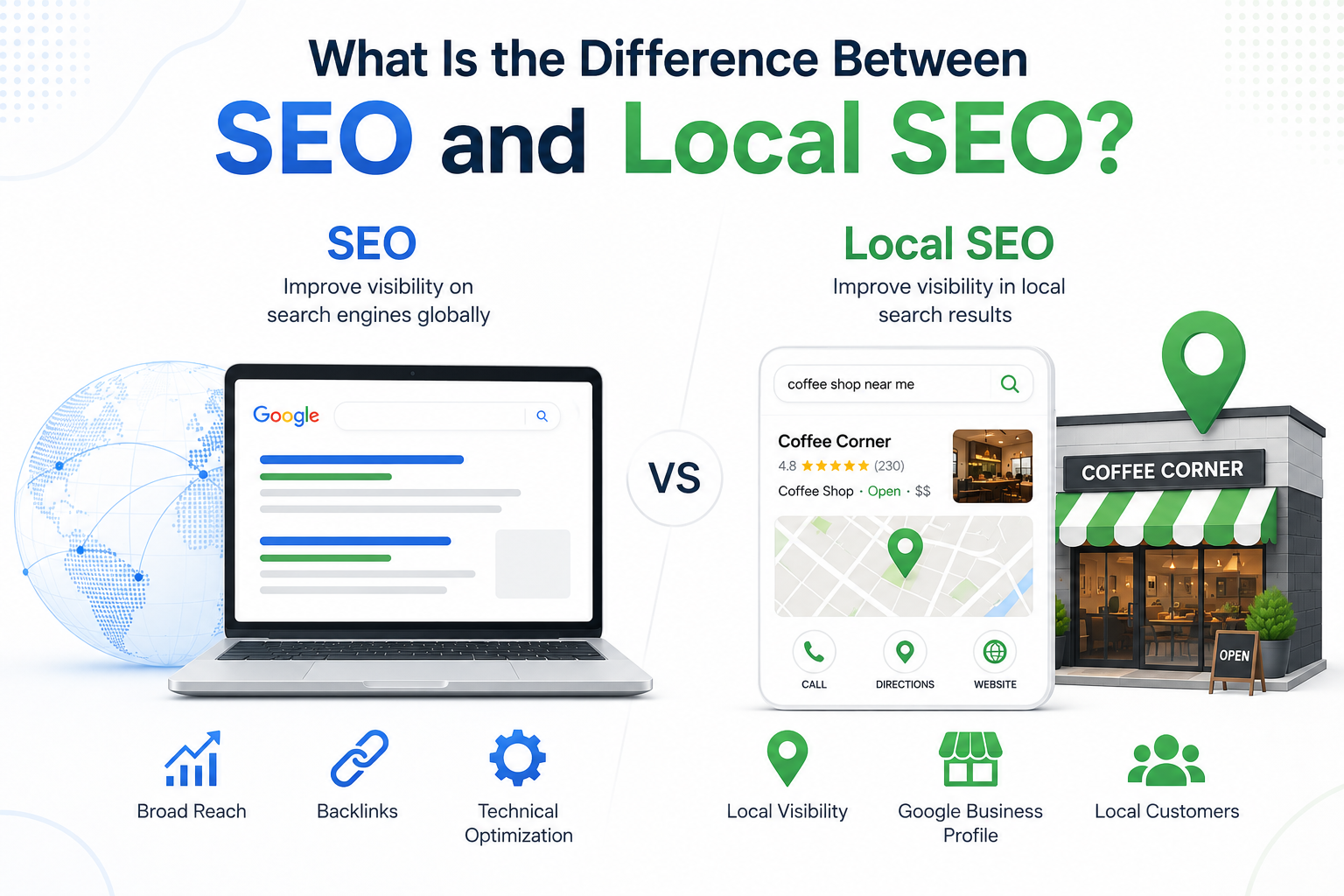
For businesses serving specific geographic markets, investing in local SEO services can improve visibility for nearby customers while creating stronger local authority. At the same time, it’s important to avoid relying solely on Quick SEO Fixes, as temporary tactics rarely produce lasting success and may even harm long-term rankings.
The fastest SEO growth comes from combining technical excellence, useful content, authoritative backlinks, and a genuine commitment to helping users.
Measuring SEO Success Beyond Rankings
Many people judge SEO only by keyword rankings, but rankings represent just one part of the overall picture.
More meaningful performance indicators include:
- Growth in organic traffic
- Higher-quality website visitors
- Increased leads and inquiries
- Better conversion rates
- Longer user engagement
- Greater brand visibility
- Improved website authority
Tracking multiple metrics provides a more accurate understanding of how SEO contributes to business growth.
Successful SEO isn’t simply about reaching the top of search results—it’s about attracting the right audience and turning visitors into customers.
Final Thoughts
The answer to How Long Does SEO Take depends on your website’s current condition, competition, content quality, and long-term strategy. While many websites begin seeing encouraging progress within a few months, sustainable SEO success typically develops through consistent optimization over six to twelve months and continues improving well beyond that. Businesses that focus on patience, quality, and continuous improvement usually enjoy stronger rankings, increased traffic, and lasting online visibility compared to those searching for shortcuts.
When businesses invest in digital marketing, one of the first questions they ask is How Long Does SEO Take to deliver measurable results. It’s a fair question because SEO requires time, planning, and continuous improvement rather than offering overnight success.
Unlike paid advertising that can generate traffic immediately, search engine optimization works by gradually building your website’s authority, improving relevance, and earning trust from search engines. Understanding the timeline behind How Long Does SEO Take helps set realistic expectations and allows businesses to focus on sustainable growth instead of chasing instant rankings.
Why SEO Doesn’t Produce Instant Results
Search engines evaluate thousands of websites every day using hundreds of ranking factors. Every page must prove that it deserves a higher position by offering valuable content, a good user experience, technical stability, and trustworthy backlinks.
When you publish or optimize content, search engines first need to discover it, crawl it, understand its relevance, compare it with competing pages, and then decide where it belongs in search results. This entire process naturally takes time.
Several factors influence the speed of SEO growth, including:
- Website age and authority
- Competition within your industry
- Technical health of the website
- Content quality and relevance
- Internal linking structure
- User engagement signals
- Backlink profile
- Frequency of updates
Because every website starts from a different position, there is no universal timeline that applies to everyone.
Typical SEO Timeline You Can Expect
Although every project is different, most websites experience SEO growth in stages rather than all at once.
First Month: Building the Foundation
The initial phase focuses on understanding your website’s current performance. Technical audits identify issues that prevent search engines from properly crawling pages. Keyword research helps define opportunities, while existing content is evaluated for improvements.
This is also the stage where professionals offering SEO services create a long-term optimization strategy instead of chasing temporary ranking gains. Businesses often benefit from following a structured Regional SEO Guide when targeting audiences across multiple locations, ensuring every region receives relevant optimization without creating duplicate content.
During this period, rankings may remain relatively unchanged because search engines are still processing improvements.
Months Two to Three: Early Signs of Progress
Once technical improvements and optimized content are indexed, websites often begin noticing encouraging changes.
These may include:
- More keywords appearing in search results
- Increased impressions
- Higher click-through rates
- Better crawl efficiency
- Small improvements in rankings
- Steady organic traffic growth
Although dramatic increases are uncommon at this stage, these indicators show that the optimization strategy is moving in the right direction.
Businesses that consistently publish useful content usually experience stronger momentum than those making only occasional updates.
Months Four to Six: Noticeable Growth
For many websites, this is when SEO efforts begin becoming visible.
Pages targeting valuable search queries often move onto the first few pages of Google, while some lower-competition keywords may even reach the first page. Organic traffic generally becomes more consistent, and businesses start receiving qualified visitors who are genuinely interested in their products or services.
Conversion rates may also improve because optimized pages better match user intent. Search engines reward websites that consistently provide valuable information and maintain a positive user experience.
However, highly competitive industries may still require additional time before reaching top positions.
Beyond Six Months: Long-Term Momentum
SEO is not a campaign that ends after a few months. Instead, it becomes an ongoing process of refinement and growth.
As authority increases, websites typically find it easier to rank new content. Existing pages continue attracting visitors, and overall domain trust strengthens over time.
Businesses that maintain consistent optimization often see compounding returns, where every new improvement builds upon previous efforts.
This long-term momentum is one of the biggest advantages of SEO compared to short-lived marketing tactics.
Factors That Can Speed Up or Slow Down Results
No two SEO journeys are identical because every website faces different challenges.
A well-established website with strong authority may respond much faster than a newly launched business website. Similarly, ranking for niche keywords is usually easier than competing against major national brands.
Content quality also plays a major role. Search engines increasingly prioritize pages that answer questions thoroughly, demonstrate expertise, and satisfy user intent.
Technical issues such as slow loading speed, poor mobile usability, broken links, or indexing problems can delay progress significantly.
Competition is another important consideration. If dozens of established websites already dominate your target keywords, climbing the rankings naturally requires more effort and patience.
Common Misconceptions About SEO Timelines
Many businesses become discouraged because they expect dramatic improvements within a few weeks. In reality, SEO rewards consistency rather than shortcuts.
One common misconception is that publishing dozens of articles immediately guarantees rankings. Search engines value quality, relevance, and authority more than content volume.
Another misunderstanding is believing backlinks alone solve every ranking problem. While backlinks remain valuable, they work best when combined with strong technical SEO, helpful content, and an excellent user experience.
Businesses should also avoid expecting every page to rank equally fast. Some topics naturally gain visibility sooner than highly competitive keywords.
Patience combined with continuous optimization almost always outperforms rushed tactics.
Can SEO Be Accelerated?
While no one can guarantee instant rankings, certain practices help maximize progress.
Publishing content consistently keeps websites active and provides search engines with more opportunities to discover valuable information.
Regular technical maintenance ensures websites remain fast, secure, and easy to crawl. Updating older content also helps maintain relevance as user expectations evolve.
For businesses serving specific geographic markets, investing in local SEO services can improve visibility for nearby customers while creating stronger local authority. At the same time, it’s important to avoid relying solely on Quick SEO Fixes, as temporary tactics rarely produce lasting success and may even harm long-term rankings.
The fastest SEO growth comes from combining technical excellence, useful content, authoritative backlinks, and a genuine commitment to helping users.
Measuring SEO Success Beyond Rankings
Many people judge SEO only by keyword rankings, but rankings represent just one part of the overall picture.
More meaningful performance indicators include:
- Growth in organic traffic
- Higher-quality website visitors
- Increased leads and inquiries
- Better conversion rates
- Longer user engagement
- Greater brand visibility
- Improved website authority
Tracking multiple metrics provides a more accurate understanding of how SEO contributes to business growth.
Successful SEO isn’t simply about reaching the top of search results—it’s about attracting the right audience and turning visitors into customers.
Final Thoughts
The answer to How Long Does SEO Take depends on your website’s current condition, competition, content quality, and long-term strategy. While many websites begin seeing encouraging progress within a few months, sustainable SEO success typically develops through consistent optimization over six to twelve months and continues improving well beyond that. Businesses that focus on patience, quality, and continuous improvement usually enjoy stronger rankings, increased traffic, and lasting online visibility compared to those searching for shortcuts.