
Contact Us
Related Posts












































Categories
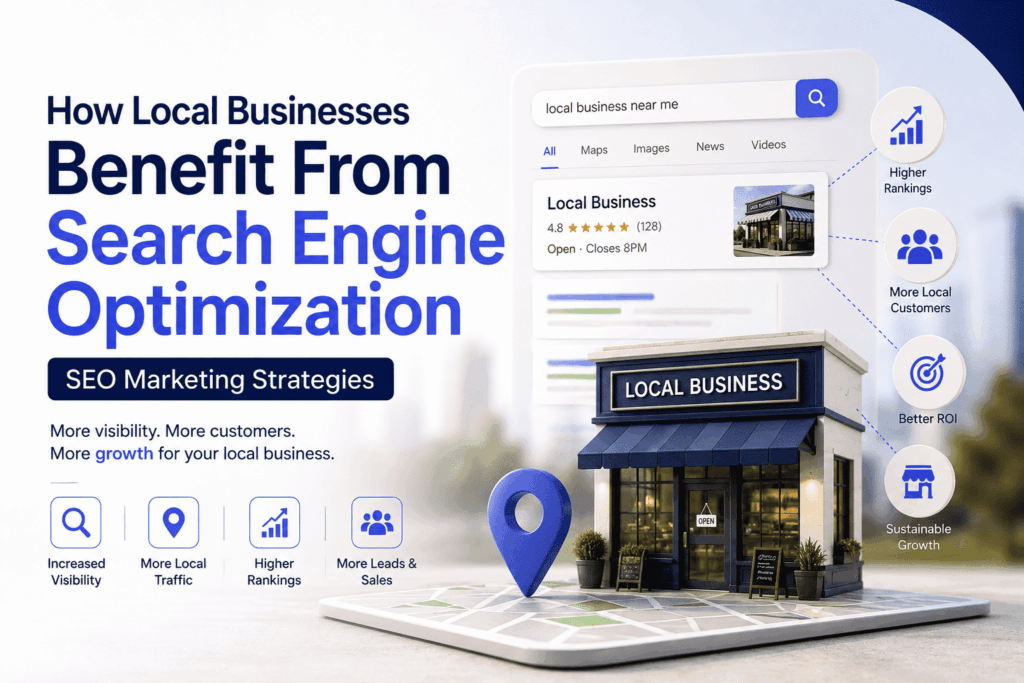

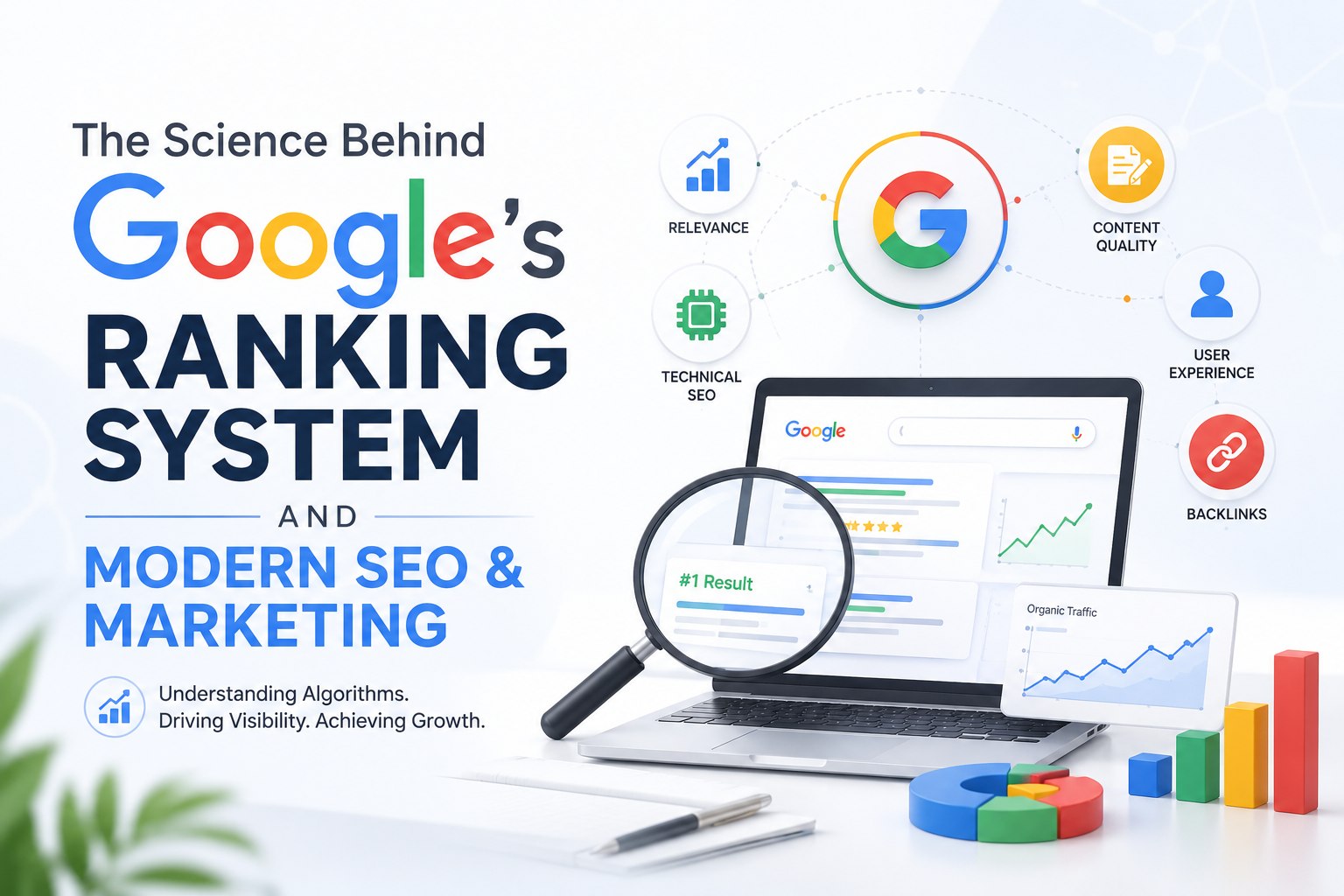
Google’s ranking system has evolved far beyond simple keyword matching. Today, it uses advanced algorithms, machine learning, natural language understanding, and quality evaluation systems to determine which pages deserve visibility. Businesses that understand how search works can build stronger digital strategies that generate sustainable traffic instead of relying on short-term tactics.
Modern SEO & marketing is no longer about manipulating algorithms. It is about creating valuable experiences, answering real user questions, demonstrating expertise, and building trust across every digital touchpoint. As search engines become smarter, successful websites are those that focus on users first while aligning with Google’s quality standards.
Whether you invest in SEO Services, build stronger content, improve technical performance, or optimise user experience, understanding the science behind rankings allows businesses to make informed decisions that deliver long-term results instead of temporary visibility.
Understanding Google’s Ranking System
Google processes billions of searches every day. Every query triggers complex systems that evaluate countless pages before displaying the most relevant results within fractions of a second.
Rather than relying on one algorithm, Google combines hundreds of ranking signals that work together. These systems evaluate content quality, page experience, authority, technical performance, relevance, freshness, location, search intent, and many other factors.
The goal has remained consistent throughout Google’s evolution: deliver the most useful answer for every search.
This means rankings cannot be earned through shortcuts alone. Websites must consistently demonstrate value across multiple quality indicators.
How Google Understands Search Intent
One of Google’s greatest advancements is its ability to understand why someone performs a search rather than simply analysing the words they type.
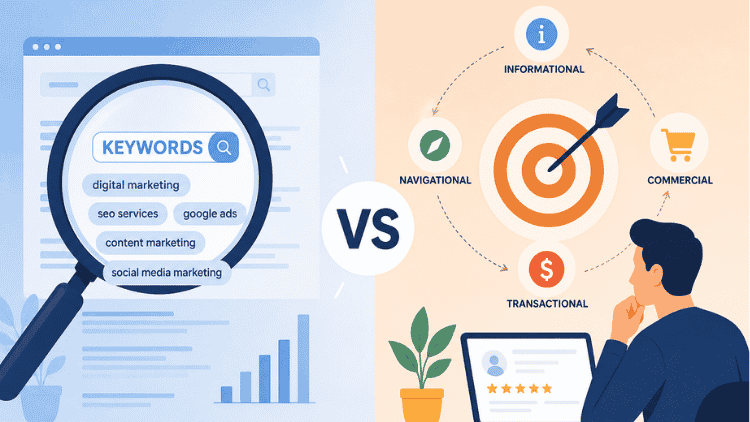
For example, someone searching for “best running shoes” is likely researching products, while someone searching “buy running shoes near me” has a stronger purchase intent.
Google identifies these differences using language models, contextual analysis, behavioural patterns, and historical search data.
When content closely matches user intent, it has a greater chance of ranking because it solves the searcher’s problem more effectively.
Businesses that create pages aligned with informational, commercial, navigational, and transactional intent generally achieve stronger organic performance.
Why Content Quality Matters More Than Ever
Google has invested heavily in rewarding helpful, trustworthy, and original content.
Instead of measuring content by length alone, Google’s systems evaluate factors such as:
- Original insights
- Topic depth
- Accuracy
- Expertise
- Readability
- User satisfaction
- Freshness where applicable
This is why Content Marketing has become an essential part of long-term search visibility. High-quality educational resources naturally attract backlinks, increase engagement, encourage sharing, and establish topical authority over time.
Content should answer real questions instead of simply repeating information already available elsewhere.
The Role of Experience, Expertise, Authority, and Trust
Google increasingly evaluates signals associated with credibility.
Websites demonstrating genuine experience, recognised expertise, industry authority, and user trust generally perform better than those offering generic or low-value information.
These qualities are reflected through multiple factors including:
- Detailed author expertise
- Accurate information
- Strong brand reputation
- High-quality references
- Secure websites
- Positive user engagement
- Consistent publishing
Rather than chasing algorithm updates, businesses benefit from continuously strengthening these trust signals.
Technical Foundations That Influence Rankings
Outstanding content alone cannot guarantee visibility if technical issues prevent search engines from properly crawling and understanding a website.
Important technical factors include:
- Fast loading speeds
- Mobile responsiveness
- Secure HTTPS implementation
- Structured data
- Clean internal linking
- Crawl efficiency
- XML sitemaps
- Proper canonicalisation
- Core Web Vitals optimisation
These technical improvements create a better experience for both users and search engines while allowing valuable content to be indexed more efficiently.
Why User Experience Impacts Search Performance
Google wants users to quickly find useful information without frustration.
A website that loads slowly, displays intrusive pop-ups, has confusing navigation, or offers poor readability often creates negative user experiences.
Positive experiences encourage visitors to stay longer, explore additional pages, and return in the future.
A good user experience combines:
- Clear navigation
- Logical page structure
- Readable typography
- Helpful visuals
- Mobile optimisation
- Accessible design
- Fast interactions
The stronger the overall experience, the easier it becomes for visitors to achieve their goals.
The Importance of Authority Through Links
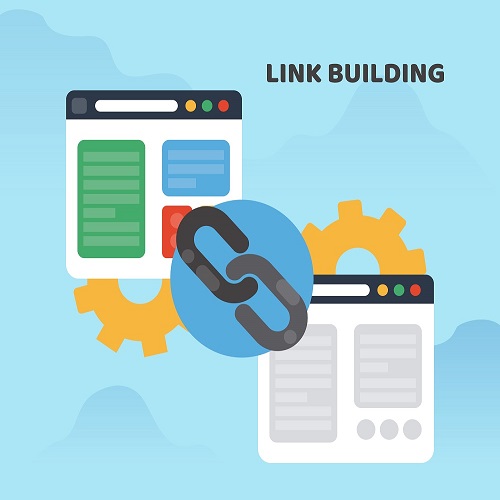
Backlinks remain an important ranking signal because they act as recommendations between websites.
However, modern link evaluation focuses on quality rather than quantity.
A few authoritative, relevant links often provide greater value than hundreds of low-quality links.
Google analyses factors including:
- Source credibility
- Topical relevance
- Natural acquisition
- Link context
- Diversity
Businesses should focus on earning links through valuable resources, research, thought leadership, and genuinely useful content rather than artificial link-building schemes.
Why SEO & Marketing Work Best Together
Many organisations still treat search optimisation and broader marketing as separate activities.
In reality, they strengthen one another.
A strong brand attracts more searches, trusted businesses earn more backlinks, engaging content supports customer education, and positive user experiences improve both conversions and visibility.
Modern SEO & marketing combine technical optimisation, audience research, brand development, customer psychology, website performance, and high-value content into one unified strategy.
Businesses that integrate these efforts often achieve more sustainable growth than those relying on isolated optimisation tactics.
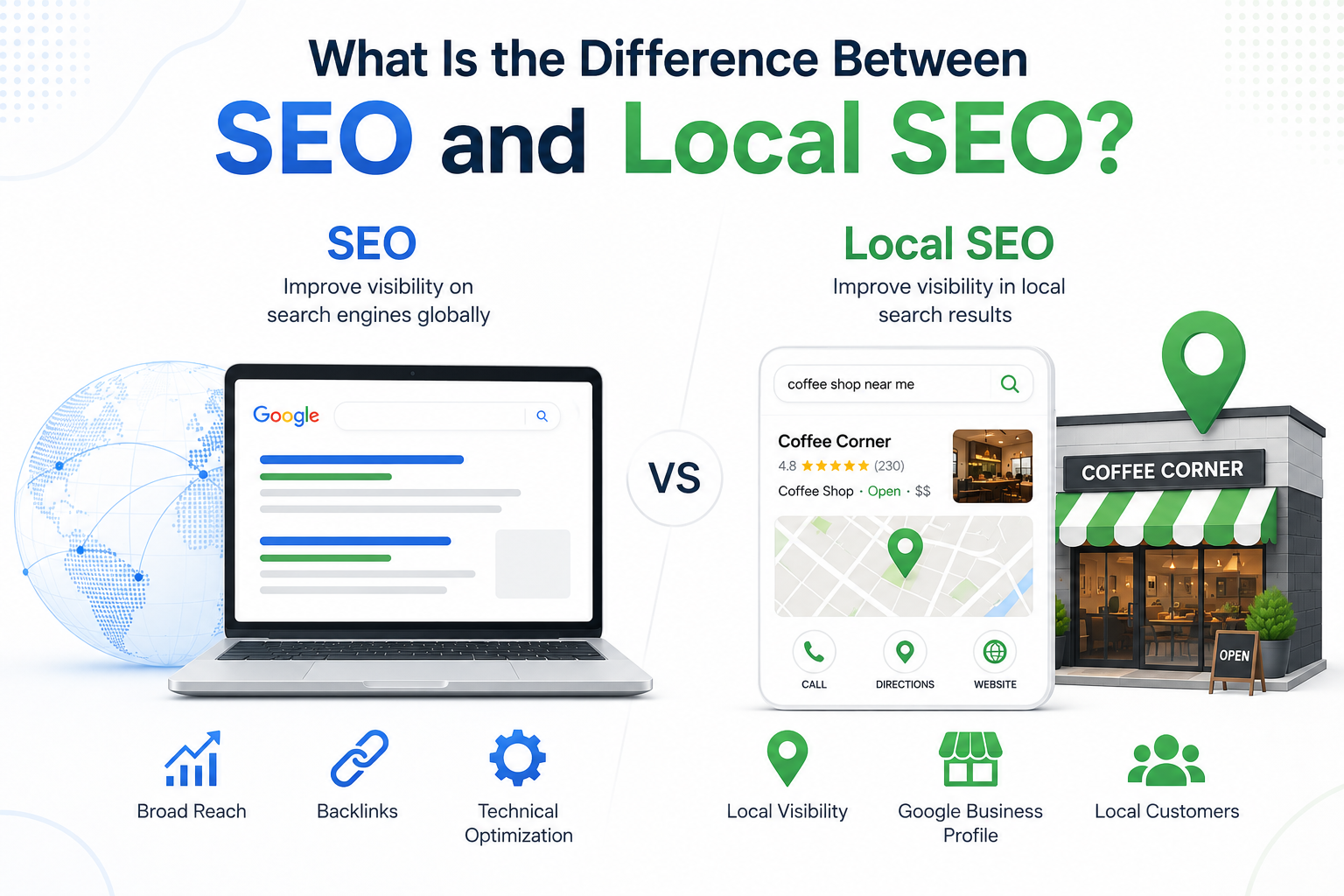
Local Search Has Become Increasingly Intelligent
Google now understands geographical relevance with remarkable accuracy.
Searches involving nearby businesses are influenced by multiple local signals including proximity, relevance, business information accuracy, customer reviews, and overall online reputation.
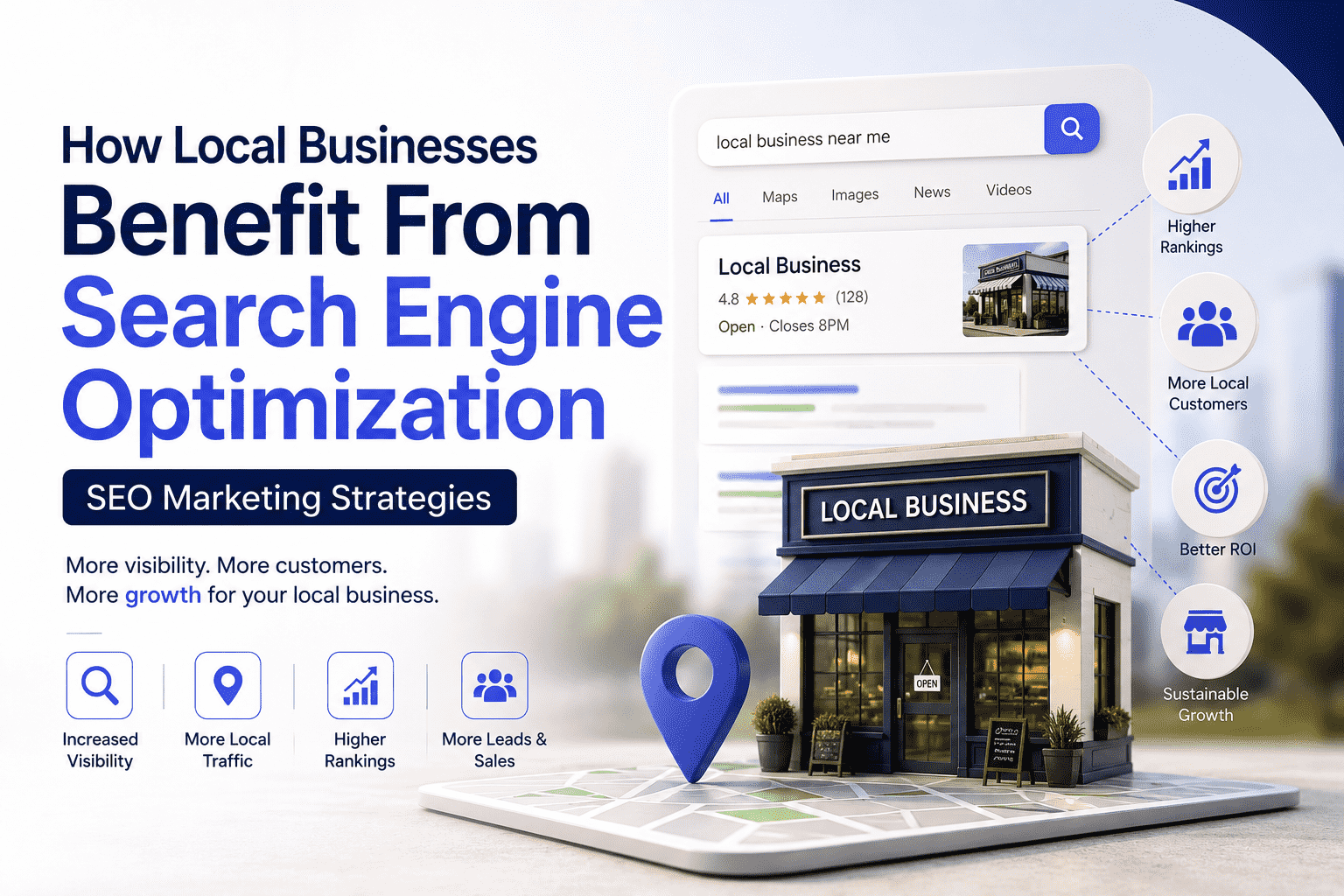
Effective Local SEO Services help businesses improve visibility for location-based searches by ensuring consistent business information, optimised profiles, locally relevant content, and stronger community signals.
As mobile searches continue to grow, local optimisation plays an increasingly important role for businesses serving specific regions.
Understanding Google’s Quality Updates
Google regularly improves its ranking systems to better identify genuinely helpful websites.
Many updates focus on reducing low-quality content, spam, manipulative practices, and pages created primarily for search engines rather than users.
Sites affected by quality-related updates often require comprehensive analysis before recovery becomes possible.
In such situations, Google Penalty Recovery Services typically involve identifying technical issues, removing harmful practices, improving content quality, resolving backlink concerns, and rebuilding overall website trust over time.
Recovery rarely happens overnight because Google’s systems reward consistent long-term improvements.
Artificial Intelligence Is Changing Search
Artificial intelligence now plays a significant role in how Google understands language, evaluates relevance, and generates search experiences.
Rather than replacing optimisation, AI has increased the importance of semantic understanding, topical authority, structured information, and user satisfaction.
Businesses should focus on creating comprehensive resources that answer related questions naturally instead of targeting isolated keywords.
The future of search belongs to websites that combine expertise with genuinely useful information.
Measuring Success Beyond Rankings
High rankings are valuable, but they should never be the only measure of success.
Businesses should also monitor:
- Organic conversions
- User engagement
- Lead quality
- Revenue growth
- Customer retention
- Brand visibility
- Returning visitors
- Search impression growth
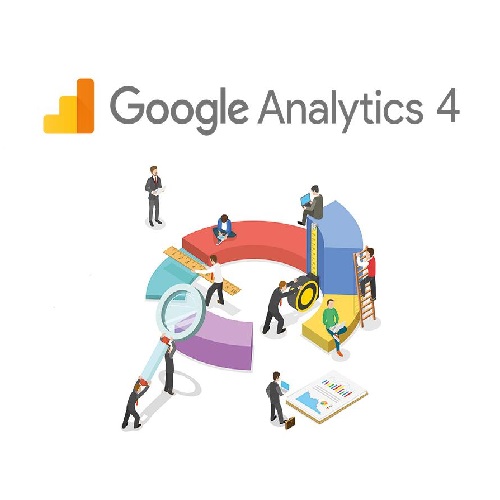
Combining these insights provides a much clearer understanding of overall digital performance than rankings alone.
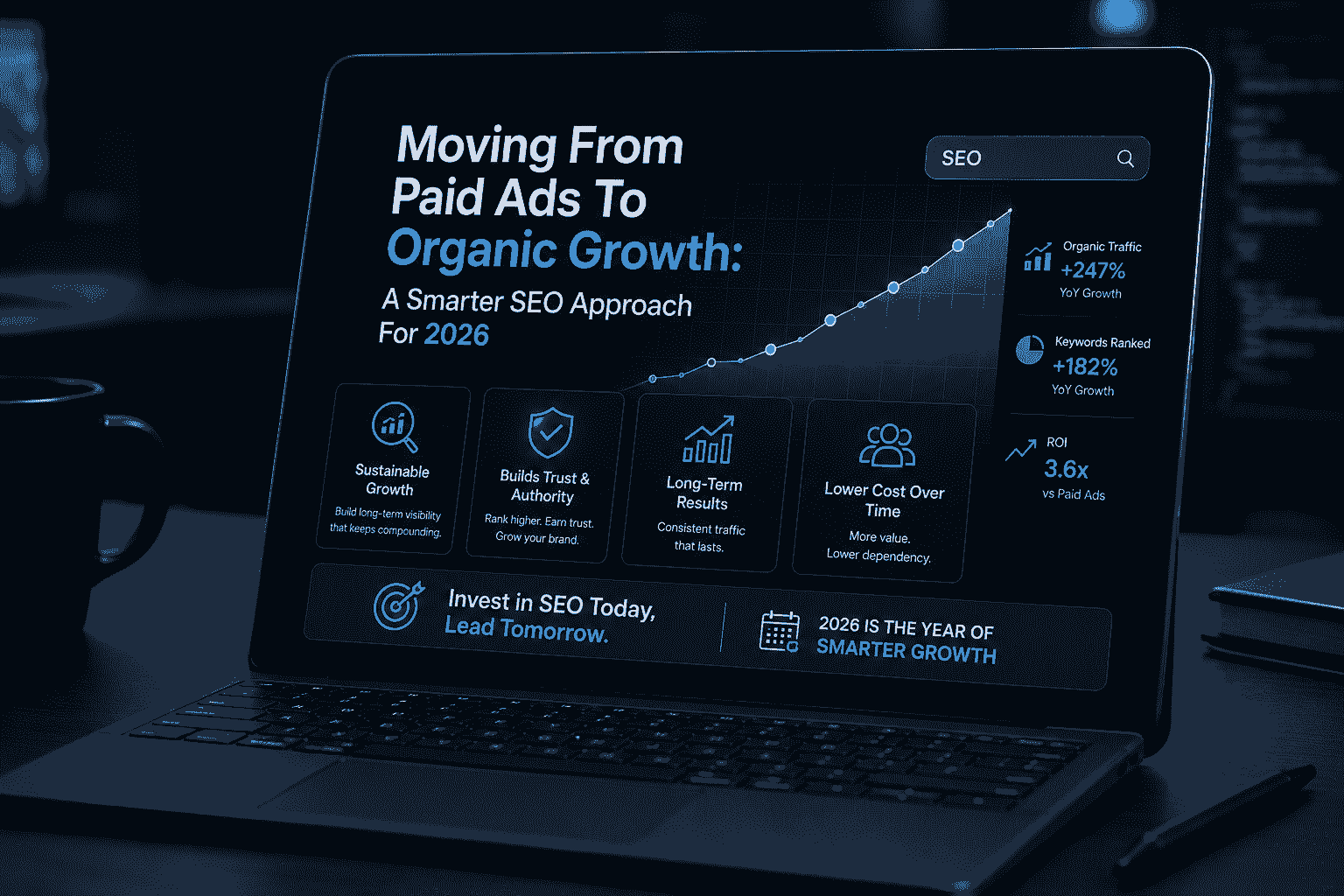
When combined with Performance Marketing Services, organic visibility can complement paid campaigns by increasing brand exposure across multiple customer touchpoints while improving long-term acquisition efficiency.
The Future of Google’s Ranking System
Google’s ranking systems will continue evolving as search behaviour changes and technology advances. While algorithms become increasingly sophisticated, the underlying principles remain remarkably consistent.
Websites that provide genuine value, demonstrate expertise, deliver excellent user experiences, and continuously improve their quality are the ones most likely to maintain long-term visibility.
Successful businesses recognise that search optimisation is not about finding loopholes. It is about understanding how people search, creating resources that genuinely help them, and building digital experiences that earn trust naturally. When supported by broader Digital Marketing Services, a thoughtful approach to SEO & marketing creates a sustainable foundation for online growth that continues delivering results even as Google’s ranking systems evolve.