
Contact Us
Related Posts












































Categories
 Google Penalty Recovery: How to Tell If a Manual Action or Algorithm Update Hit Your Site

Every growing agency hits the same wall. Clients keep asking for SEO, the team is already full, and hiring a specialist takes months and a fixed salary before the new work even pays for itself. White label SEO is the usual answer: a partner does the work, and you deliver it to your client under your own brand.
It works well when you split the work correctly, and it goes badly when you do not. This guide covers what white label SEO for agencies actually involves, which tasks are safe to outsource, which ones should stay with your team, and how to check a provider before any client account changes hands. If you are already comparing partners, our white label SEO outsourcing services page explains how that model works with us.
What White Label SEO Means
In a white label arrangement, a specialist provider performs the SEO work and you present it as your own service. The client signs with you, sees your reports and talks to your account manager. The partner stays in the background under a confidentiality agreement.
That structure is useful, but it also makes the rules clear. White label is a delivery model, not a shortcut around strategy. You still own the client relationship, the promises you make and the results you answer for. The partner owns the execution. If you outsource both, you are only reselling, and clients usually notice when nobody on your side understands their site.
Why Agencies Outsource SEO
The reasons are practical rather than clever:
- Capacity: SEO work is repetitive and time-consuming. Audits, content briefs, reporting and on-page changes can swallow a small team.
- Specialist depth: Technical SEO, local SEO and ecommerce SEO are separate skill sets. A partner that does only SEO tends to keep up with changes faster than a generalist team.
- Flexible cost: You pay for the work you sell instead of carrying a full-time salary through quiet months.
- Faster launches: A new client can start with a ready process instead of waiting for you to build one.
A Simple Rule for Deciding What to Outsource
Ask two questions about each task:
- Is it repeatable? Work that follows a documented process is easier to hand over.
- Does it shape the client relationship? Work that sets expectations, scope or direction should stay with you.
Repeatable and process-driven tasks go to the partner. Relationship, judgment and accountability stay in-house.
What to Outsource
Technical audits and fixes
Crawling a site, finding indexing problems, reviewing site speed and checking structured data follow a clear checklist. A partner with the right tools will usually do this faster than a team doing it occasionally. Make sure the output is a prioritized action list, not a pile of tool exports.
Keyword research and content briefs
Building keyword maps, grouping topics and writing briefs are time-heavy and well-defined. You can review the strategy at a high level while the partner handles the detail.
On-page optimization
Title tags, meta descriptions, headings, internal links and image alt text are tasks where consistency matters more than creativity. They suit a documented process.
Local SEO and listings
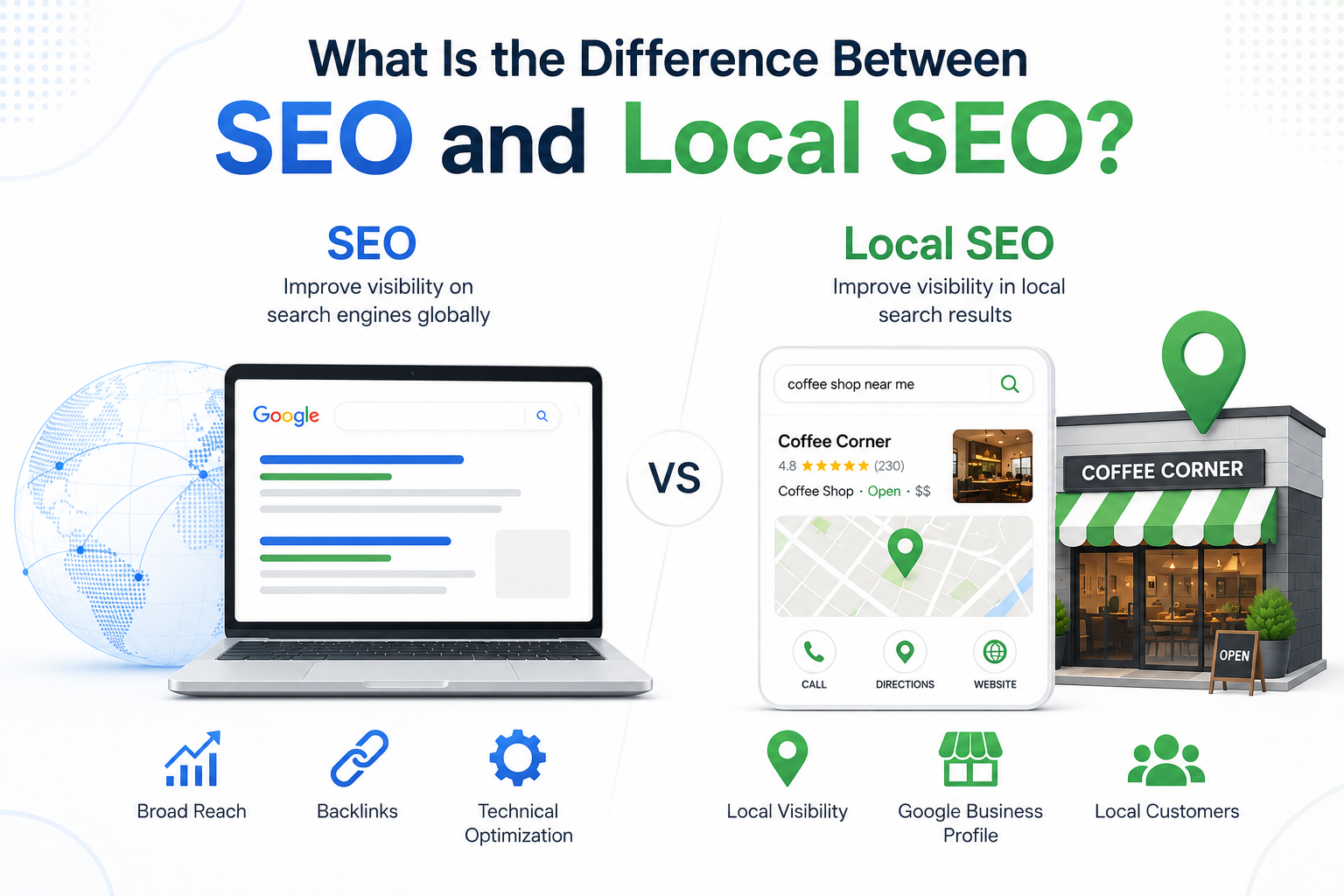
Google Business Profile setup, citations and review workflows are repeatable across clients. Local work has its own rules, which is why it helps to understand how SEO differs from local SEO before you scope it. A dedicated local SEO services team already runs these processes daily.
Reporting
Dashboards and monthly reports can be built by the partner under your branding. Insist on plain-language commentary, not only charts. A report that says “traffic up 12%” without saying why is not useful to your client.
Link acquisition, with strict conditions
Outreach and digital PR can be outsourced, but this is the area where vetting matters most. Manipulative link tactics can lead to a manual action, which is expensive to reverse. Our guide to Google penalty recovery shows how much work a clean-up involves. Ask exactly how links are earned and do not accept vague answers.
What to Keep In-House
Client onboarding and goals
Someone on your team should run the discovery call and agree what success means: leads, sales, calls or bookings. Rankings alone are not a business goal. A partner can advise, but the goals must come from your relationship with the client.
Strategy sign-off
The partner can propose, but you approve. Check that the plan fits the client’s budget, timeline and market. This is where your agency adds value that a pure reseller cannot.
Scope, pricing and expectations
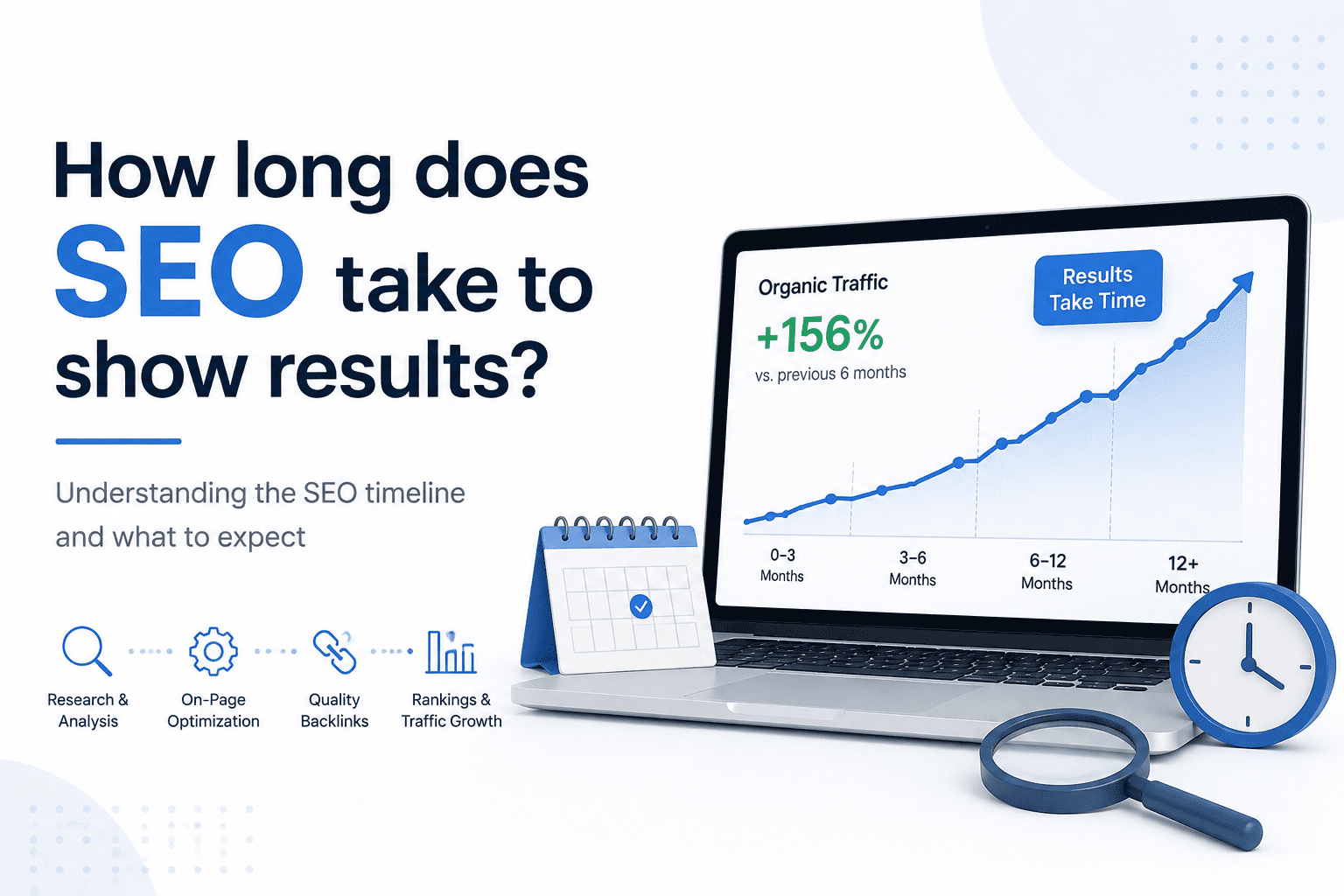
You set what is included, how it is priced and what results are realistic. Be honest about timing. SEO takes time, and our guide on how long SEO takes to show results is a good one to share with clients before a contract starts.
Quality control
Someone senior should review work before it reaches the client. Sample the content, the changes made on the site and the report. If the first month reveals errors, you want to find them, not the client.
Access and data ownership
Keep ownership of the client’s accounts: Search Console, Analytics, the CMS and the Business Profile. Add the partner as a user rather than the other way round. If the partnership ends, you should not need anyone’s permission to continue.
Client communication
Clients want to hear from the person they hired. Keep calls, emails and escalations with your own account manager and use the partner’s team for answers behind the scenes.
Outsource, Keep or Share: A Quick Reference
- Partner: technical crawl and fixes, on-page updates, local listings and profiles, and the build of monthly reports.
- Partner, reviewed by you: keyword research and content briefs, plus link outreach under strict approval rules.
- Shared: content writing, with an editorial review by your team.
- You: goals and strategy sign-off, pricing and scope, account access and data, and the client conversation.
How to Vet a White Label SEO Partner
Choosing the wrong partner puts your reputation at risk. Before moving a client across, ask the following and look for specific answers:
- How do you build links? Look for earned and editorial methods. Walk away from private blog networks or guaranteed link counts.
- How is content produced and checked? Ask how research, writing and editing work, and whether AI tools are used and how output is reviewed. Mass-produced pages can trigger Google’s scaled content abuse policy.
- Who has access to client accounts? Accounts should stay in the client’s or your name.
- What does reporting include? Ask for a sample report, and check for explanations, not only numbers.
- How do you protect confidentiality? Expect a signed NDA and a clear policy on never contacting your clients directly.
- What are the turnaround times? Get response times and delivery schedules in writing.
- Can we start with a pilot? One small client or a single project shows quality before you commit.
- How do you handle updates? A good partner has a plan for core updates and spam updates and does not simply promise rankings.
Run a Pilot Before You Scale
Start with one client, ideally a low-risk one. Agree the scope, the reporting format and a review date. During the first month, compare the partner’s work with your own standard. Look at the audit quality, the speed of answers and whether recommendations match the client’s goals. If the pilot works, document the process: how requests are sent, who approves them and how reports are delivered. Once the routine is written down, adding clients becomes straightforward.
Pricing Without the Guesswork
There is no universal markup, but the logic is simple. Your price should cover the partner’s fee, your own project management and quality control time, and a margin for the risk you carry. Do not price so close to cost that one extra revision wipes out the profit. And do not copy a competitor’s package without checking what it includes.
Do the Same Logic Apply to Paid Search?
Yes. Many agencies split paid media the same way: strategy and client communication stay with you, while campaign setup, optimization and reporting go to a partner. The vetting questions are similar, and the same account ownership rules apply. If you also need a paid partner, see our white label Google Ads outsourcing service for how that works.
Frequently Asked Questions
Is white label SEO the same as reselling?
Not exactly. Reselling often means selling a fixed package someone else built. White label can be customized to your clients, your branding and your reporting.
Will my client know I outsource?
Not if the agreement and the partner’s practices keep it confidential. Your NDA should cover this clearly.
Is white label SEO risky for my reputation?
It can be if the partner takes shortcuts. Risk falls sharply when you vet link and content practices, keep account ownership and review work before delivery.
Can I outsource everything and just manage clients?
You can, but you lose the strategic judgment clients are paying you for. Keep goals, strategy sign-off and communication in-house.
Final Thoughts
The best white label SEO for agencies is a clear division of labor: the partner handles repeatable execution, and you keep strategy, accountability and the client relationship. Vet the partner on links, content and account access, start with a pilot, and write down your process. Done that way, outsourcing lets you take on more clients without lowering the quality of the work. To see how a partner model could fit your agency, explore our SEO services or get in touch.