Contact Us

Services

Related Posts

Categories

Customers Really Care About

Customers have more choices than ever before. Whether they are looking for professional services, healthcare providers, home improvement companies, retailers, or technology solutions, they often spend significant time researching before making a decision. A business may offer exceptional products or services, but if it fails to meet modern customer expectations, potential buyers can quickly move to a competitor.

Understanding what Customers Really Care About is essential for businesses that want to attract new customers and maintain long-term growth. Consumer expectations continue to evolve, but certain decision-making factors consistently influence purchasing behavior across industries. Companies that recognize these priorities are often more successful at building trust, generating leads, and creating lasting customer relationships.

Customers Really Care About Trust Before Anything Else

Trust remains the foundation of every customer relationship. Before committing to a purchase, customers want confidence that a business will deliver on its promises. This confidence is often formed long before direct contact occurs.

Potential buyers evaluate trust through online reviews, business reputation, company information, and overall professionalism. A business that appears transparent and reliable is more likely to earn consideration than one with limited information or inconsistent messaging.

Trust also extends beyond marketing claims. Customers increasingly value authenticity and want businesses to communicate honestly about pricing, timelines, service limitations, and expectations. Organizations that prioritize transparency often establish stronger relationships from the beginning.

Online Visibility Shapes First Impressions

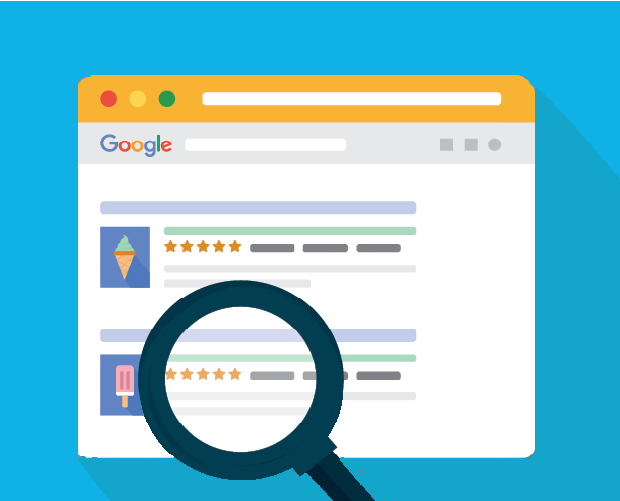
For many businesses, the first interaction with a customer happens through a search engine rather than a phone call or physical visit. As a result, digital visibility plays a major role in how customers perceive a company.

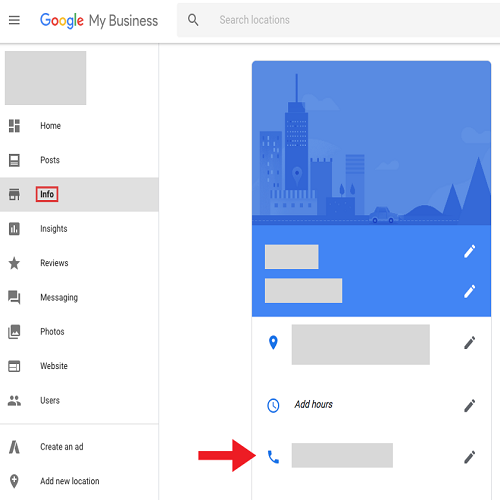
Businesses that invest in local search optimization are often better positioned to appear when potential customers actively search for relevant services. Visibility not only improves discovery but also contributes to credibility. Consumers frequently associate higher search visibility with established and trustworthy businesses.

A strong online presence helps customers gather information quickly and evaluate whether a company aligns with their needs before initiating contact.

Website Experience Directly Influences Customer Decisions

Modern customers expect a smooth digital experience. A website often serves as the central hub where potential buyers evaluate products, services, expertise, and company credibility.

Visitors can become frustrated when websites load slowly, provide unclear information, or create obstacles during navigation. In contrast, businesses that implement user-friendly website solutions make it easier for customers to find answers and take action.

An effective website should communicate value clearly while guiding visitors through the decision-making process. Customers appreciate websites that respect their time and provide information without unnecessary complexity.

Reviews Have Become a Modern Form of Word-of-Mouth Marketing

Customer reviews continue to influence purchasing decisions across nearly every industry. Before contacting a business, many consumers actively search for experiences shared by previous customers.

Reviews provide social proof that marketing messages alone cannot deliver. Prospective customers often pay close attention to recurring themes within feedback rather than focusing on a single positive or negative comment.

A consistent pattern of satisfied customers can significantly strengthen credibility. At the same time, thoughtful responses to criticism demonstrate professionalism and a commitment to customer satisfaction. Businesses that actively manage their online reputation often gain a competitive advantage in crowded markets.

Customers Want Expertise, Not Just Services

Consumers are increasingly looking for businesses that demonstrate knowledge and industry experience. They want reassurance that the company they choose understands their challenges and can provide effective solutions.

Expertise is communicated through educational content, case studies, customer success stories, and professional insights. Businesses that share valuable information often position themselves as trusted advisors rather than simply service providers.

This approach helps customers feel more confident about their decisions while strengthening the company’s authority within its market.

Convenience Has Become a Competitive Advantage

Convenience now plays a major role in customer satisfaction. Modern buyers expect businesses to make interactions as simple and efficient as possible.

From online scheduling and digital payments to fast communication and streamlined purchasing processes, convenience reduces friction throughout the customer journey. When customers can achieve their goals with minimal effort, they are more likely to choose and recommend a business.

Companies that continuously evaluate and improve customer experiences often discover opportunities to increase both conversions and retention.

Consistent Experiences Build Long-Term Loyalty

Customers value consistency because it reduces uncertainty. They want the same level of professionalism whether they are visiting a website, reading reviews, interacting on social media, or speaking directly with a representative.

Consistency reinforces trust and helps create a stronger brand identity. Businesses that maintain clear messaging and reliable service standards often establish deeper customer relationships over time.

Loyal customers are more likely to return, leave positive reviews, and refer others, making consistency an important component of sustainable growth.

Visibility Alone Is Not Enough

While attracting attention is important, customers ultimately evaluate whether a business delivers value. Many organizations focus on organic traffic growth to increase visibility among potential customers who are actively researching solutions.

Others use PPC advertising services to reach targeted audiences and generate immediate opportunities. However, visibility only creates the initial opportunity. Long-term success depends on the ability to meet customer expectations after that first interaction occurs.

Businesses that combine strong visibility with trust, expertise, and excellent customer experiences often achieve the best results.

Conclusion

Customer expectations continue to evolve, but the fundamental factors influencing business selection remain remarkably consistent. Customers Really Care About trust, credibility, expertise, convenience, transparency, and positive experiences throughout every stage of the buying journey.

Businesses that focus on these priorities are more likely to stand out in competitive markets and build meaningful customer relationships. As buying behaviors become increasingly research-driven, understanding what Customers Really Care About can help companies create stronger connections, improve customer satisfaction, and support sustainable business growth for years to come.

The Apparel ROAS PlaybookThe Apparel ROAS Playbook: How Clothing Brands Can Structure Meta Catalog Ads to Clear Seasonal Inventory Faster
Customers Really Care About

Customers have more choices than ever before. Whether they are looking for professional services, healthcare providers, home improvement companies, retailers, or technology solutions, they often spend significant time researching before making a decision. A business may offer exceptional products or services, but if it fails to meet modern customer expectations, potential buyers can quickly move to a competitor.

Understanding what Customers Really Care About is essential for businesses that want to attract new customers and maintain long-term growth. Consumer expectations continue to evolve, but certain decision-making factors consistently influence purchasing behavior across industries. Companies that recognize these priorities are often more successful at building trust, generating leads, and creating lasting customer relationships.

Customers Really Care About Trust Before Anything Else

Trust remains the foundation of every customer relationship. Before committing to a purchase, customers want confidence that a business will deliver on its promises. This confidence is often formed long before direct contact occurs.

Potential buyers evaluate trust through online reviews, business reputation, company information, and overall professionalism. A business that appears transparent and reliable is more likely to earn consideration than one with limited information or inconsistent messaging.

Trust also extends beyond marketing claims. Customers increasingly value authenticity and want businesses to communicate honestly about pricing, timelines, service limitations, and expectations. Organizations that prioritize transparency often establish stronger relationships from the beginning.

Online Visibility Shapes First Impressions

For many businesses, the first interaction with a customer happens through a search engine rather than a phone call or physical visit. As a result, digital visibility plays a major role in how customers perceive a company.

Businesses that invest in local search optimization are often better positioned to appear when potential customers actively search for relevant services. Visibility not only improves discovery but also contributes to credibility. Consumers frequently associate higher search visibility with established and trustworthy businesses.

A strong online presence helps customers gather information quickly and evaluate whether a company aligns with their needs before initiating contact.

Website Experience Directly Influences Customer Decisions

Modern customers expect a smooth digital experience. A website often serves as the central hub where potential buyers evaluate products, services, expertise, and company credibility.

Visitors can become frustrated when websites load slowly, provide unclear information, or create obstacles during navigation. In contrast, businesses that implement user-friendly website solutions make it easier for customers to find answers and take action.

An effective website should communicate value clearly while guiding visitors through the decision-making process. Customers appreciate websites that respect their time and provide information without unnecessary complexity.

Reviews Have Become a Modern Form of Word-of-Mouth Marketing

Customer reviews continue to influence purchasing decisions across nearly every industry. Before contacting a business, many consumers actively search for experiences shared by previous customers.

Reviews provide social proof that marketing messages alone cannot deliver. Prospective customers often pay close attention to recurring themes within feedback rather than focusing on a single positive or negative comment.

A consistent pattern of satisfied customers can significantly strengthen credibility. At the same time, thoughtful responses to criticism demonstrate professionalism and a commitment to customer satisfaction. Businesses that actively manage their online reputation often gain a competitive advantage in crowded markets.

Customers Want Expertise, Not Just Services

Consumers are increasingly looking for businesses that demonstrate knowledge and industry experience. They want reassurance that the company they choose understands their challenges and can provide effective solutions.

Expertise is communicated through educational content, case studies, customer success stories, and professional insights. Businesses that share valuable information often position themselves as trusted advisors rather than simply service providers.

This approach helps customers feel more confident about their decisions while strengthening the company’s authority within its market.

Convenience Has Become a Competitive Advantage

Convenience now plays a major role in customer satisfaction. Modern buyers expect businesses to make interactions as simple and efficient as possible.

From online scheduling and digital payments to fast communication and streamlined purchasing processes, convenience reduces friction throughout the customer journey. When customers can achieve their goals with minimal effort, they are more likely to choose and recommend a business.

Companies that continuously evaluate and improve customer experiences often discover opportunities to increase both conversions and retention.

Consistent Experiences Build Long-Term Loyalty

Customers value consistency because it reduces uncertainty. They want the same level of professionalism whether they are visiting a website, reading reviews, interacting on social media, or speaking directly with a representative.

Consistency reinforces trust and helps create a stronger brand identity. Businesses that maintain clear messaging and reliable service standards often establish deeper customer relationships over time.

Loyal customers are more likely to return, leave positive reviews, and refer others, making consistency an important component of sustainable growth.

Visibility Alone Is Not Enough

While attracting attention is important, customers ultimately evaluate whether a business delivers value. Many organizations focus on organic traffic growth to increase visibility among potential customers who are actively researching solutions.

Others use PPC advertising services to reach targeted audiences and generate immediate opportunities. However, visibility only creates the initial opportunity. Long-term success depends on the ability to meet customer expectations after that first interaction occurs.

Businesses that combine strong visibility with trust, expertise, and excellent customer experiences often achieve the best results.

Conclusion

Customer expectations continue to evolve, but the fundamental factors influencing business selection remain remarkably consistent. Customers Really Care About trust, credibility, expertise, convenience, transparency, and positive experiences throughout every stage of the buying journey.

Businesses that focus on these priorities are more likely to stand out in competitive markets and build meaningful customer relationships. As buying behaviors become increasingly research-driven, understanding what Customers Really Care About can help companies create stronger connections, improve customer satisfaction, and support sustainable business growth for years to come.

Contact Us

Services

Related Posts

Category